Online slots are one of the most popular casino games because they are easy to start and don’t require complex decisions. Learning how to play slots properly means understanding how digital reels work, what symbols represent, and how outcomes are generated by software rather than mechanical parts.
Many beginners feel uncertain because they assume online slots behave like physical machines. In reality, each spin is independent, and results are determined instantly by the game’s system. Knowing this removes confusion and helps players focus on understanding gameplay rather than guessing outcomes.
Before learning how to play slot games, it helps to understand the main categories commonly found on online and land-based platforms. While all slots operate using a random number generato) to determine outcomes, they differ in betting structure, symbol mechanics, and payout calculation.
To truly understand how to play slots, you must first understand what happens behind the scenes the moment you press the Spin button. Online slots may look simple, but they are driven by precise mathematical systems designed to ensure fairness, randomness, and regulatory compliance. Let’s break this down step by step—without myths, shortcuts, or vague explanations.
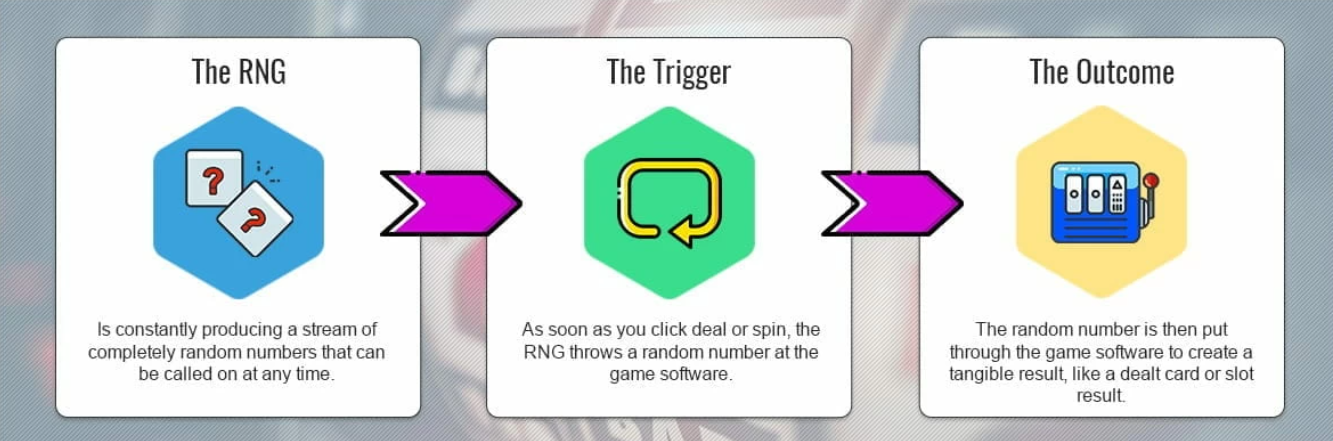
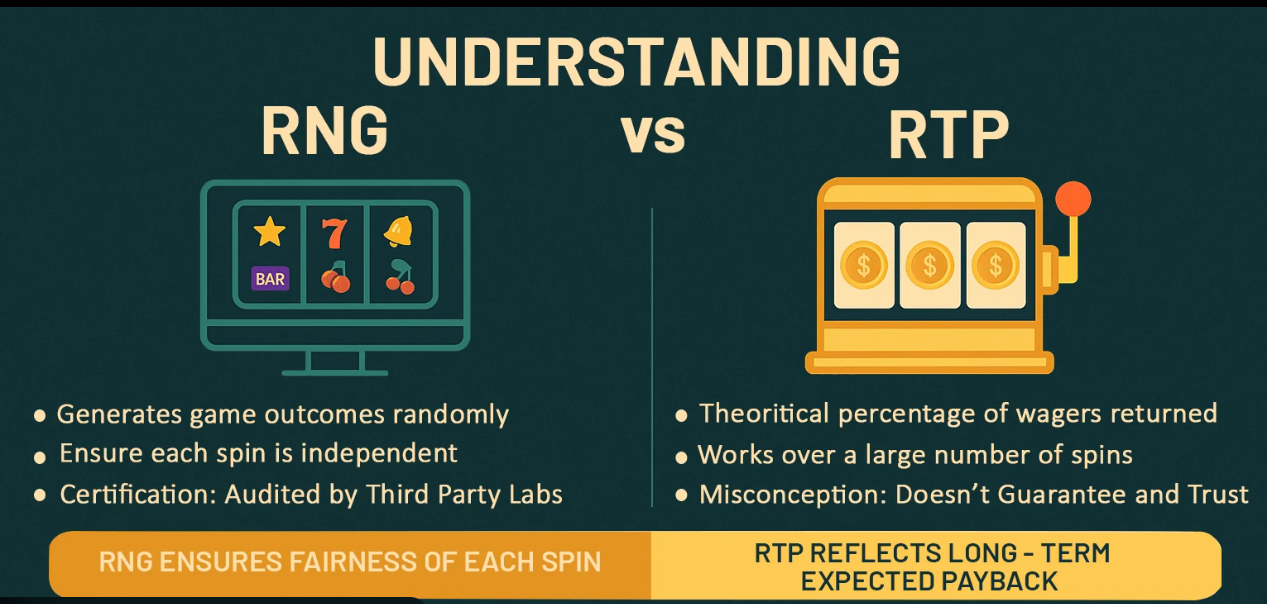
Every online slot operates using a Random Number Generator (RNG)—a certified software algorithm that continuously produces random number sequences 24/7, even when no one is playing.
The RNG output determines:
The result is decided instantly. The spinning reels you see are simply visual representations of that already-finalized outcome.
In physical slot machines, reels were once mechanical. In online slots, reels are purely graphical animations.
Important clarification:
This is why:
Because the RNG is:
This means:
There is no timing window, pattern, or rhythm that can influence results.
Every spin is a standalone event. That means:
Mathematically, your 1st spin and 10,000th spin have identical odds.
When you press Spin, the RNG instantly generates a number sequence. Each number is mapped to a specific virtual reel position, and every position corresponds to a particular symbol. The symbols you see on screen simply reflect that pre-selected outcome. Once displayed, the game’s paytable checks whether the symbol combination qualifies as a win. This system explains why low-value symbols appear more often, high-paying symbols are rarer, and bonus symbols have the lowest probability—this is intentional probability weighting, not manipulation.
Slot themes—such as graphics, sounds, or animation styles—are purely cosmetic. Whether a slot is ancient-themed, cartoon-style, minimalist, or packed with features, the core mechanics remain the same. Every spin is RNG-driven, outcomes are pre-determined at the moment of spin, each spin is independent, and the RTP remains fixed over time. The experience may feel different, but the underlying math never changes.
Reputable online slots are independently tested, RNG-certified, and audited for RTP accuracy. These checks ensure the game performs exactly as advertised, with no hidden adjustments or dynamic “tightening.” Because of this oversight, slot outcomes are statistically verifiable over large samples, providing transparency and fairness for players.
Learning how to play slots online follows a clear, repeatable process that is the same across almost all online casinos. While slot themes and layouts may vary, the core interaction never changes once you understand the interface.
Start by selecting a slot from the casino lobby. Games are usually organised by provider, theme, popularity, or features such as jackpots or free spins. Before playing, it’s smart to open the paytable to understand symbols, payouts, bonus features, RTP, and volatility. This step helps set expectations before you wager real money.
Use the on-screen controls to set your stake. This typically includes:
The total wager shown is what you risk on each spin. Changing your bet size only affects potential payout size, not your chances of winning.
Once your bet is set, press Spin to start the round. At this moment, the game’s RNG instantly determines the outcome. The spinning reels are visual animations that reveal the already-decided result. Optional features like quick spin, turbo mode, or autoplay simply speed up or automate this process—they do not change the odds.
After the reels stop, the game automatically checks the paytable to see if the symbol combination qualifies as a win. Any winnings are added to your balance instantly. If a bonus feature or free spins round is triggered, the game launches it automatically without additional input.
Once the spin button is pressed, player input no longer matters. There is no timing, strategy, or decision-making that can influence the outcome. The system handles everything—from symbol selection to payout calculation—entirely through software.
Slot games communicate outcomes through symbols. Standard symbols form basic wins, while special symbols add variation.
Wild symbols substitute for others. Scatter symbols often trigger features without needing specific positions. Bonus symbols unlock additional game modes. Understanding these roles is easier if you review slot machine symbols once before playing.
Wins are displayed automatically, with highlights showing which symbols formed the result.
One of the best ways to learn how to play slots is by using free play or demo modes.
Demo mode allows you to:
This is especially helpful when switching between different slots.
However, demo mode does not replicate real-money pressure or emotional responses. It teaches mechanics, not outcomes.
Many beginners misunderstand how to play slots because they approach slot games with assumptions borrowed from skill-based games or everyday logic. These misunderstandings don’t change the outcome of the game, but they do affect expectations, decision-making, and overall enjoyment.
A common mistake is assuming that visually impressive symbols are always the most valuable. In reality, symbol value is defined strictly by the paytable, not by size, animation, or screen presence. Some simple-looking symbols may pay more than flashy ones, while certain highly animated symbols exist mainly to support bonus mechanics. Always check the paytable instead of judging value by appearance.
Many new players believe a slot is “warming up” or “due” after a long losing streak. This is incorrect. Slots use independent, RNG-driven spins, meaning the game has no memory of past outcomes. A spin that follows ten losses has the exact same probability as the first spin of the session. Chasing patterns often leads to longer losing sessions and unnecessary frustration.
Free-play or demo modes are useful for learning the interface and bonus features, but they are not performance previews. While demo versions use the same mechanics, short-term results in free play do not predict what will happen with real money. Wins or losses in demo mode are still random and should never be treated as indicators of future success.
Understanding these common errors helps players set realistic expectations, make calmer betting decisions, and enjoy slots for what they are—chance-based entertainment. Avoiding false assumptions won’t change the odds, but it will reduce confusion, emotional betting, and disappointment during play.
Learning how to play slots also means adjusting expectations. Online slots are designed for entertainment, not prediction. They are faster and more accessible than physical machines, but outcomes remain unpredictable.
Modern design trends—discussed further in the future of slot games show that clarity and simplicity are becoming more important than complexity.
Knowing how to play slots online is about understanding structure, not chasing results. Online slots remove mechanical elements and replace them with software-driven outcomes that are instant and independent.
Once players understand how symbols work, how spins are resolved, and what demo modes can teach, playing becomes clearer and more controlled. Slots are simple to play, but informed play always leads to a better experience.
To play slots online, choose a game in an online casino, set your bet using on-screen controls, and press the spin button. The game automatically determines and displays the result without further input.
Yes. Online slots use software instead of mechanical reels. Outcomes are decided instantly by the system, and the spinning animation is only a visual representation of that result.
Online slots use a random number generator to ensure each spin is independent. Previous spins do not affect future outcomes in any way.
No. Once you press spin, the outcome is already determined by the game’s system. Player timing or interaction does not change results.
Beginners should look for clear interfaces, simple layouts, and easy-to-understand symbol behavior. Complex features are not necessary when learning how slots work.
Demo modes allow players to try slot games without using real money. They are useful for learning the interface and understanding how symbols and features behave.
No. Demo mode only shows how the game works. It does not indicate how future paid sessions will perform.
Symbols may appear important due to size, animation, or theme relevance, but their actual role is defined only by the game’s rules and paytable.
No. Online slots do not track past spins. Each spin is independent, and no symbol or win becomes more likely because of previous outcomes.
No. Playing online slots is one of the simplest casino activities. Most confusion comes from misunderstandings about how outcomes are generated, not from the gameplay itself.
No. Online slots are outcome-driven games. Once you set your bet and press spin, the result is determined by the system, not by player skill or decision-making.
Online slots resolve spins instantly and don’t require physical reel movement or manual interaction. This makes gameplay feel quicker and more continuous compared to physical machines.
No. Once a spin has started, it must finish. You can stop the animation visually, but this does not change the outcome, which is already decided.
Yes. The platform you use does not affect outcomes. Mobile and desktop versions use the same game logic and generate results in the same way.
Small wins help maintain game flow and visual feedback. They are part of how slots distribute outcomes over time rather than an indication of overall performance.
Yes. Demo mode is a safe way to learn how online slots work, understand symbols, and get comfortable with the interface before deciding whether to play with real money.