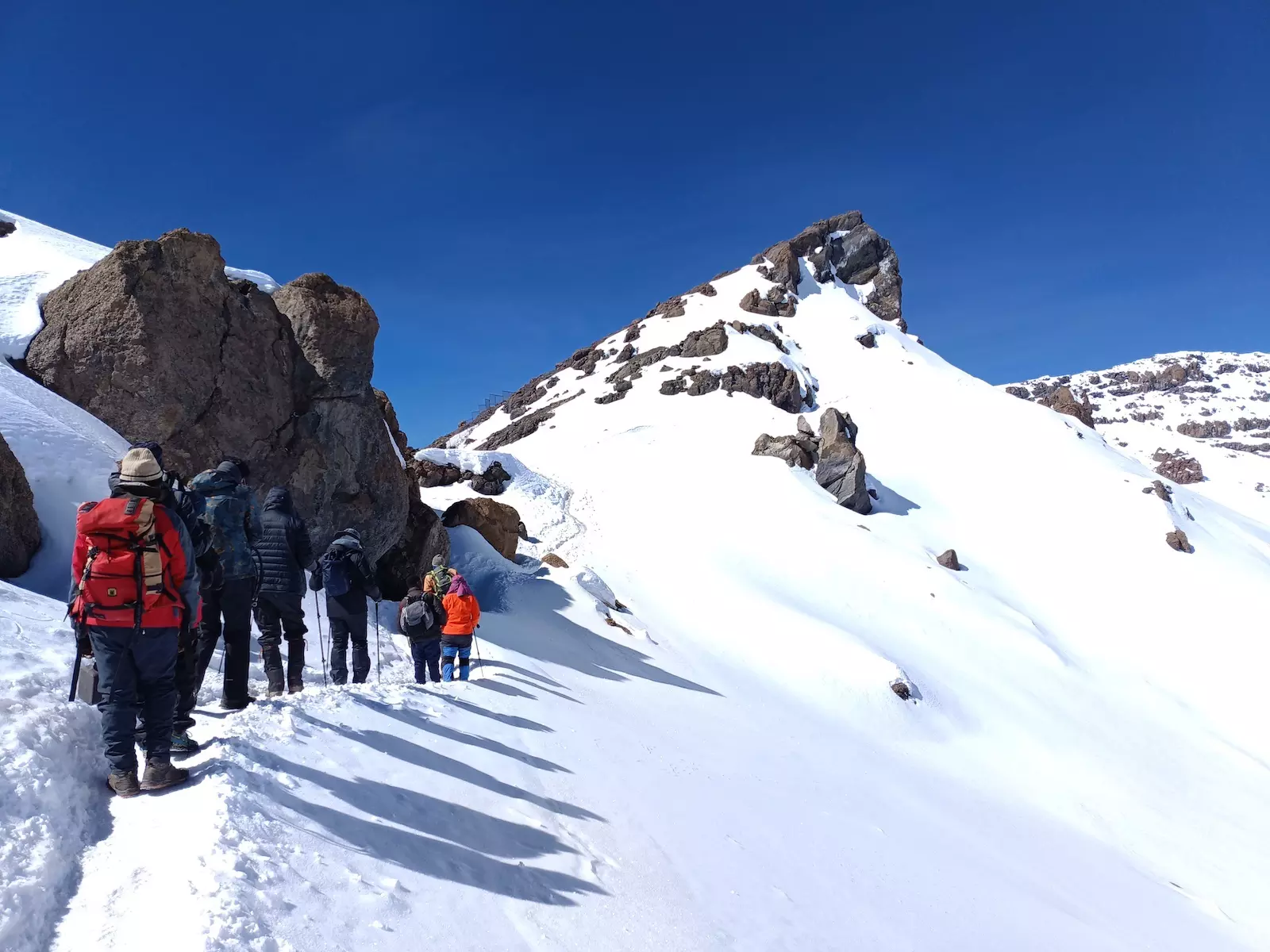
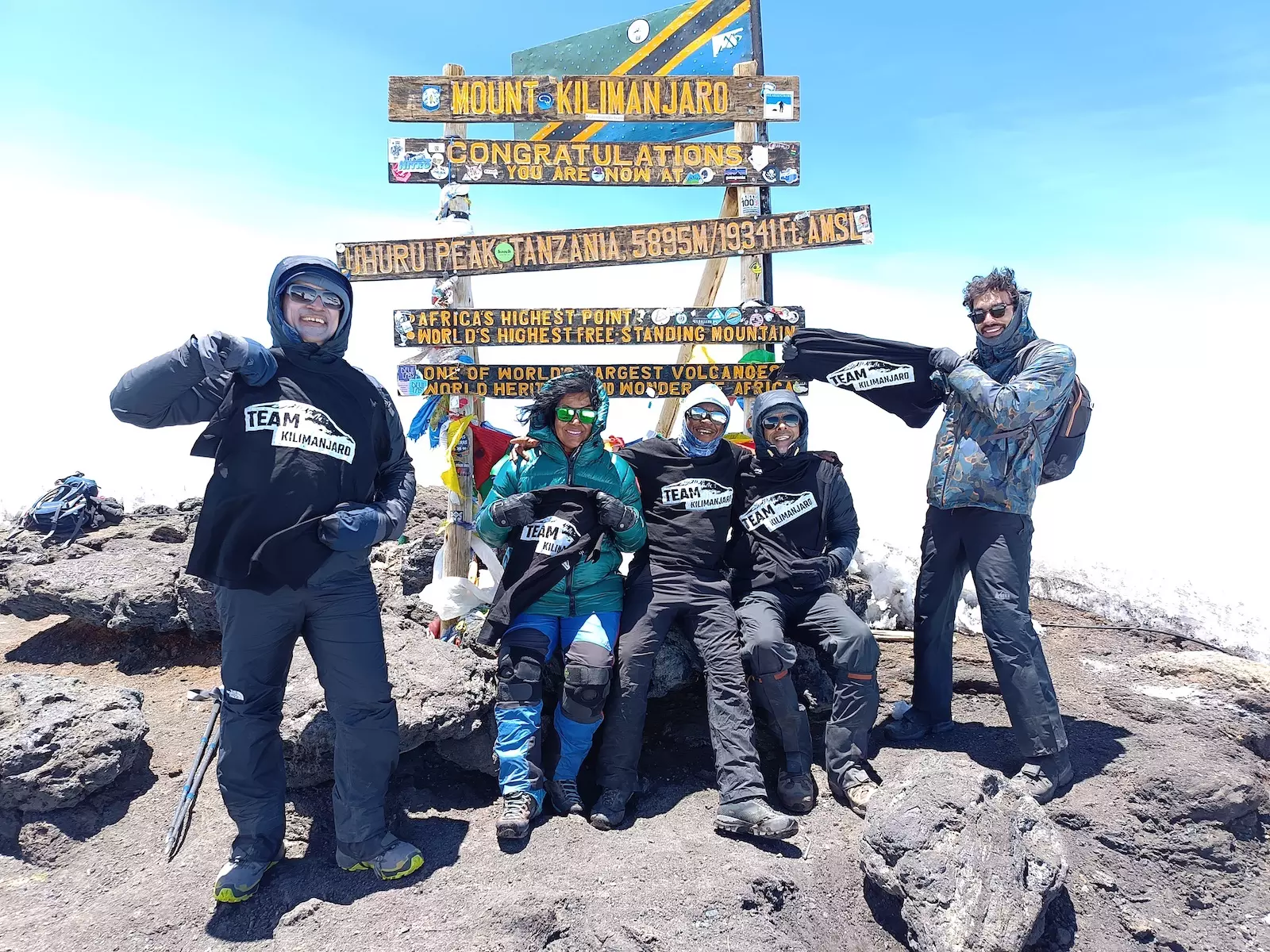
For many, the idea of climbing Kilimanjaro conjures images of raw ambition, stunning vistas, and the ultimate "bucket list" achievement. Yet, for those who approach such a profound endeavor with the same discernment applied to other significant life investments, the real questions emerge long before packing a single bag. It’s not just about reaching a summit; it’s about how that summit is reached, and who you trust to manage the intricate dance between human physiology and extreme altitude.
In a world where adventure tourism often prioritizes convenience or price, Team Kilimanjaro stands apart by prioritizing engineering and physiological integrity. We understand that while the mountain isn't technically difficult, it is profoundly demanding on the body. Success isn't a matter of luck or sheer willpower; it’s a direct consequence of a meticulously designed altitude strategy, customized individual care, and an unwavering commitment to safety born from decades of high-consequence decision-making.
The Invisible Challenge: More Than Just Fitness
Kilimanjaro is often described as "non-technical," a term that can be misleading. The real challenge isn't climbing skill; it's physiological judgment under constraint. Many failures occur not because climbers are unfit, but because their physiological reserves are depleted prematurely and invisibly. The assumption that "more effort equals better acclimatization" is a pervasive and dangerous myth. High altitude is a hostile environment where exertion has a benefit ceiling. Beyond that, the same effort that once aided adaptation can lead to cumulative fatigue, respiratory instability, and compromised decision-making.
At Team Kilimanjaro, we reject this misplaced optimization. Our approach centers on:
This may not be the cheapest or most convenient approach, but it is demonstrably the most coherent and effective.
Safety: Proven Judgment, Not Assurances
When entrusting an operator with such a significant undertaking, verifiable expertise matters. Our founder, John Rees-Evans, didn't just climb Kilimanjaro; he became a crucial figure in its safety protocols. In 2006, after a tragic accident on the Western Breach claimed three lives, it was John whom authorities called upon to lead the investigation, diagnose the failure, and issue formal recommendations that subsequently reconfigured the route. This remains the only operator-led technical investigation ever adopted into Kilimanjaro route governance.
This isn't a claim; it's a matter of public record, demonstrating a level of reasoning you can rely on during high-consequence decisions. When safety is paramount—especially for families considering this journey—Team Kilimanjaro offers a proven, rather than merely promised, standard.
Individualized Success: The Human Factor
Altitude affects everyone differently. Groups don't acclimatize; individuals do. This is why our guides are trained in individual altitude logic, meticulously monitoring gait, sleep quality, appetite, breathing patterns, cognitive response, and morale. We adapt the pace, rest cycles, and altitude stimulus to your personal physiology.
This personalized approach has allowed us to support an extraordinary range of climbers, from Rebecca Nchereri's record-setting speed climb to the youngest person ever to summit Kilimanjaro, Bran Rees-Evans, at just 5 years old (the son of our founder, who completed his own record-setting speed climb on a $50 budget in 2000). Whether you are an elite athlete seeking a new challenge or a family creating a once-in-a-lifetime memory, our system is built to maximize individual safety and summit prospects, reflecting a deep, personal understanding of the mountain at every level of experience.
Seven Support Levels, One Unwavering Philosophy
While other operators may offer a single, generic climb, Team Kilimanjaro provides seven distinct support series, from the self-sufficient Superlite to the opulent VIP Hemingway, which offers full-size beds, mattresses, cotton sheets, and en-suite bathrooms. This spectrum of choice allows you to perfectly balance cost, comfort, and support. Crucially, however, the underlying engineering for altitude performance, safety, and our proven 97.6% summit success rate remains constant across all options. You choose your style of journey, not a different level of expertise or a lesser chance of success.
Choosing to climb Kilimanjaro is a decision of a lifetime. For those who seek not just an adventure, but a thoroughly considered, expertly engineered, and ethically grounded experience, Team Kilimanjaro offers verifiable evidence of integrity, competence, and a philosophy built for people, not just for profits. It's an investment in a memory that is not just ambitious, but intelligently achieved.