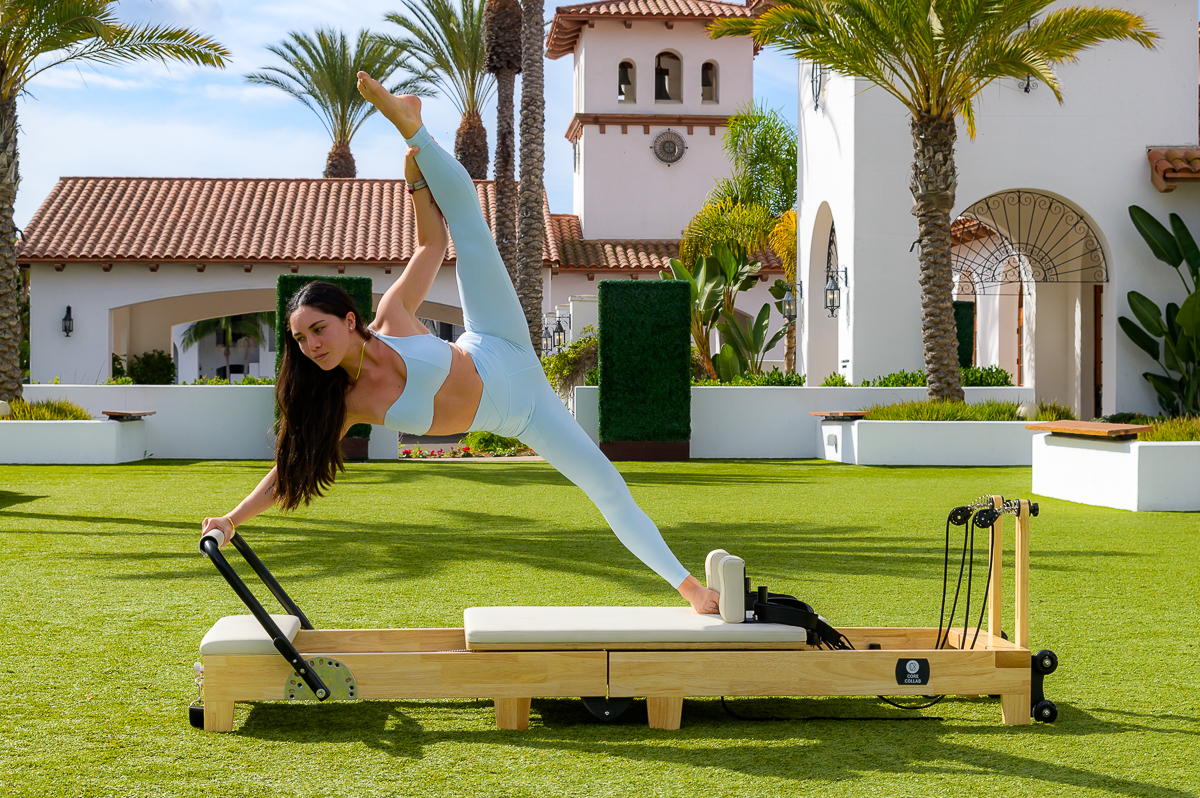
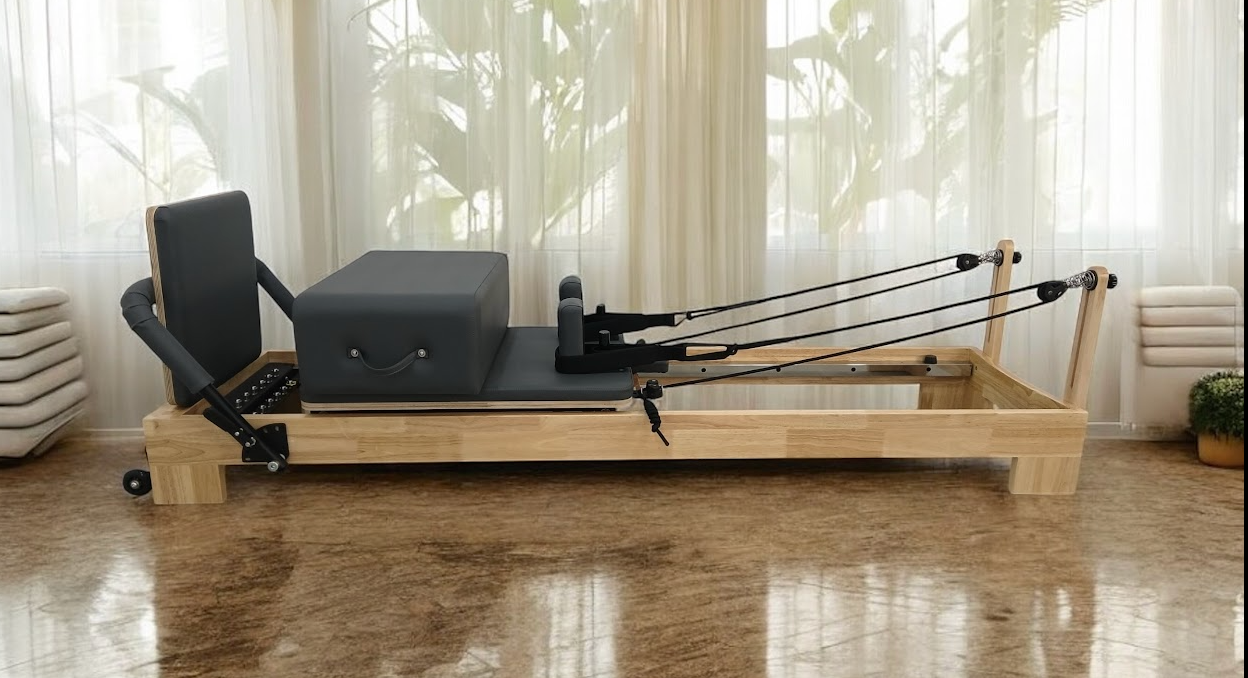
Pilates has a funny way of calling things out. One day, everything feels smooth. Movements connect. Balance feels steady. Another day, the same workout feels clumsy. Not impossible. Just off.
Most people assume that means they are tired or distracted. Sometimes that is true. Often, it is not. More often, it is the setup. Something small. Something easy to ignore.
Pilates depends on control. When that control fades, the workout still happens, but it loses its rhythm. It stops feeling intentional.
Pilates does not start with the first repetition. It starts the moment you lie down, place your feet, or grab the straps. If the body does not feel settled, everything that follows has to compensate.
A headrest that is slightly wrong changes how the neck holds tension. Foot placement that feels unstable affects balance more than expected. Even padding that shifts a little can change how the spine rests.
None of this stops the workout. That is what makes it tricky. The body simply works around it, often without you noticing right away.
Pilates asks for attention. Cleveland Clinic highlights Pilates’ focus on control and alignment, which is why small setup issues can derail focus. Breathing matters. Alignment matters. When something feels uncomfortable, even subtly, part of the mind starts managing that discomfort.
Instead of thinking about movement, you start thinking about the thing that feels wrong. The session becomes fragmented. Control turns into effort.
When setup feels right, the opposite happens. The body settles. Focus stays where it should. Movements feel quieter and more deliberate.
This is why people who practice Pilates for a long time tend to adjust things before they start. They know how much it affects the session.
Pilates relies heavily on feedback. A peer-reviewed PLOS One trial links Pilates practice with improving postural stability, which helps explain why consistent contact points matter. The reformer, the carriage, the straps, the floor. All of these are communication points.
When those points feel inconsistent, the body gets mixed signals. Balance becomes harder to trust. Muscles grip to stay safe. Control starts slipping.
Over time, many people begin to notice these patterns. They adjust their grip. They add support. They refine how their body meets the equipment. This is often when people start looking into supportive options like pilates accessories that improve comfort, stability, and alignment during reformer workouts.
Pilates is not intense because it is fast. It is intense because nothing gets to disengage.
When control is present, movements slow down. Muscles stay on longer. Fatigue builds quietly. The workout feels demanding but organized.
When control disappears, everything speeds up. Momentum takes over. The body works harder, but the work feels messy.
A stable setup helps intensity stay contained. Muscles do the work they are meant to do. Joints do not pick up the slack.
In a studio, instructors adjust things almost automatically. At home, it is easy to skip that step.
Home setups change constantly. Equipment gets moved. Floors are uneven. Small adjustments get forgotten.
Those small things add up. A session might feel fine, but never quite great. Control feels inconsistent.
Spending a minute or two checking setup changes that. Movements feel smoother. Transitions feel easier. Less effort goes into staying balanced.
This is why home practitioners often evolve their setups slowly, adjusting over time instead of locking into one arrangement.
Pilates is meant to challenge muscles, not create unnecessary tension. When the setup supports alignment, the body relaxes into the work.
When something feels off, tension shows up quietly. Shoulders lift. Hips grip. Breathing shortens. These reactions are subtle, but they drain energy.
A supportive setup spreads effort evenly. The core stays involved. The spine stays neutral. Limbs move freely.
That difference is felt at the end of a session. One feels productive. The other feels tiring.
As Pilates became more strength-focused, equipment started playing a bigger role. Resistance increased. Sequences became longer. Control became harder to maintain.
Some people need very little support. Others benefit from small adjustments that make a big difference. Neither approach is better. It depends on the body and the goal.
This is also why people started exploring alternatives to familiar Pilates systems. Not because something was wrong with them, but because flexibility mattered. Space mattered. Fit mattered.
One thing that often gets overlooked is confidence. When movements feel stable, people trust their bodies more.
They stop hesitating. They move with more ease. Range of motion increases without forcing it.
Confidence does not come from pushing harder. It comes from knowing the body is supported. Pilates works best in that space.
Bodies change. Strength improves. Old injuries fade. New limitations appear.
A setup that felt perfect months ago might not feel right now. That is normal. Pilates practice is not static.
People who stick with it tend to revisit their setup regularly. They notice how changes affect movement. They adjust without overthinking it. That awareness becomes part of the practice.
Pilates is often associated with strength and flexibility. Those matters. Control ties everything together.
The right setup does not make the workout easier. It makes it clearer. Movements feel intentional. The body works as a whole instead of fighting itself.
Whether at home or in a studio, setup shapes the entire experience. Control begins before the first movement and carries through every repetition.
That is why Pilates workouts feel calmer, stronger, and more effective when the setup truly supports the body.