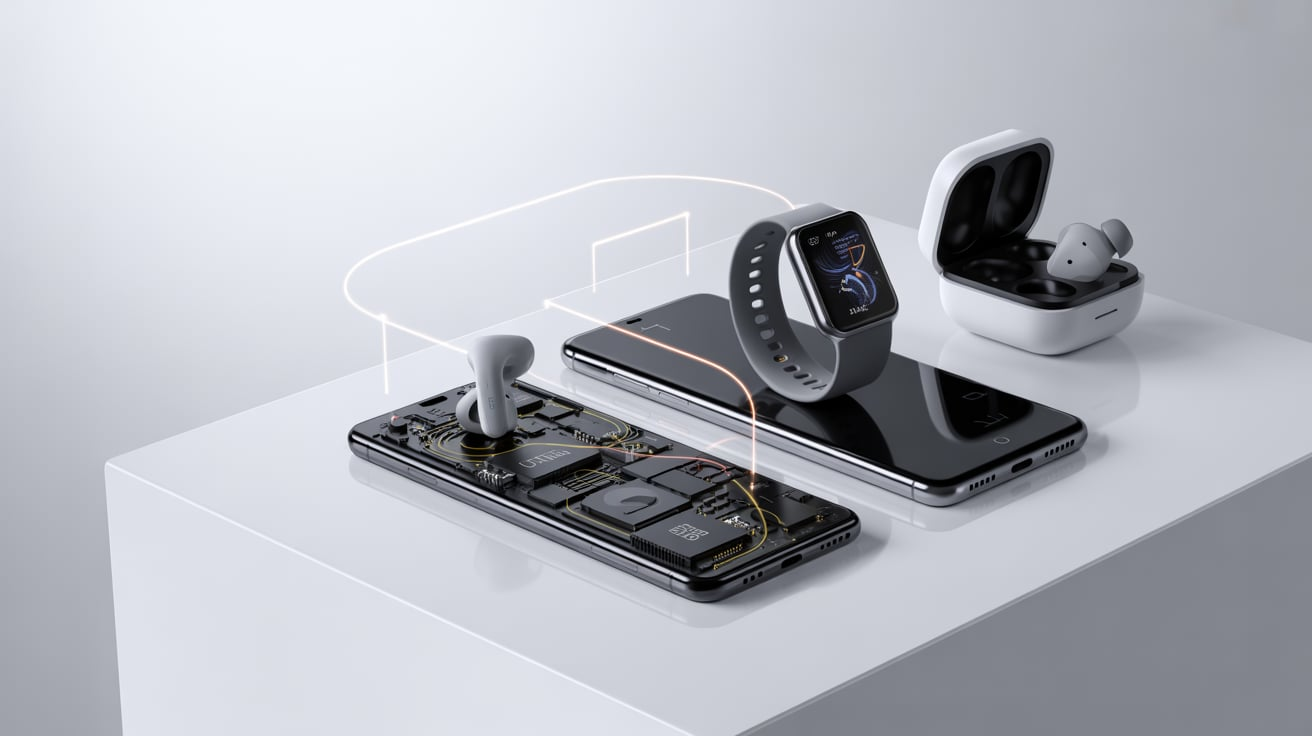
Electronics shoppers have limited patience. They scroll past cluttered pages, skip long descriptions, and ignore flat photographs. Brands face a simple problem: features alone do not sell. Presentation matters. How you show your product can make the difference between a quick glance and a sale. This is where 3D product modeling becomes essential.
3D modeling transforms products from static objects into interactive experiences. Instead of describing features in words, brands can let the product speak visually. Every detail, angle, and function becomes clear. Consumers understand what they are buying, and confidence rises. For electronics brands, this clarity drives sales and reduces returns.
Most electronics brands rely on photographs or 2D renders. These methods are cheap but limited. A single image cannot capture multiple angles or hidden functions. Customers often miss critical features or misunderstand them.
Videos help but are costly and rigid. Shooting physical products in a studio involves time, logistics, and retakes for minor changes. Every new feature or design update requires fresh shoots. Physical production constraints also limit the number of variations shown. Electronics evolve quickly, and brands cannot afford delays.
3D product modeling solves these issues. Brands can showcase products from any angle. Features can be animated. Interactive elements let users explore the product virtually. Changes happen in the software, not in the studio. This approach saves money and accelerates marketing cycles.
3D product video animation services allow electronics brands to highlight products in ways photographs cannot. Animations show function and design clearly. For example, a new smartwatch can demonstrate its interface in motion, reveal the internal sensor layout, and highlight water resistance. Each feature becomes instantly understandable.
3D animation is flexible. Brands can create multiple versions of a single product without manufacturing multiple units. Seasonal or regional variations can be presented easily. Interactive 3D videos allow users to rotate the product, zoom in, and explore hidden details. These actions increase engagement and time spent on pages, which improves conversion rates and SEO ranking.
Electronics buyers are cautious. They fear misrepresentation. A flat image leaves room for doubt. 3D product modeling removes uncertainty. Brands can display internal components, show scale, and demonstrate durability. This transparency communicates honesty and builds trust.
Consider laptops or smartphones. Consumers often want to see port placement, screen clarity, and keyboard layout before buying. A 3D model lets them inspect every angle. They understand ergonomics and design. They are less likely to return the product, saving brands operational costs.
Trust also comes from consistency. Product visuals remain identical across all channels. Whether on a website, social media, or email campaigns, the 3D render presents the same features. Buyers receive a uniform impression. Consistency reinforces credibility.
Static displays rarely capture attention. Interactive 3D models encourage exploration. Users rotate products, toggle features, and examine details. This engagement deepens understanding and creates a sense of involvement. Users move from passive observers to active participants.
Interactive experiences increase retention and memorability. A survey by Wyzowl shows that 79% of people say video content convinces them to buy more than static content. 3D animations function like advanced videos, adding interactivity that extends engagement further.
This interaction also provides data. Brands can track which features users explore most. These insights guide product development and marketing strategies. High-performing features can be emphasized in campaigns, while overlooked elements can be improved or repositioned.
Creating effective 3D models requires expertise. A 3D animation agency provides technical skill, artistic vision, and marketing insight. Agencies understand how to highlight key features, animate functions, and produce visually appealing content. They optimize models for web, mobile, and social media. This ensures fast loading, smooth interaction, and engaging experiences.
Agencies also help brands integrate 3D assets into campaigns. They advise on content strategy, ensuring models serve both marketing and sales objectives. With professional guidance, brands achieve maximum impact without trial-and-error learning. Outsourcing to an agency allows internal teams to focus on product development and customer engagement.
Electronics brands face a simple challenge: buyers want clarity, engagement, and confidence. Traditional methods often fall short. Photographs and static videos cannot capture every angle or function. 3D product modeling solves this problem. It creates interactive, detailed, and visually appealing presentations.
3D product video animation services improve clarity, save costs, and enhance engagement. Interactive experiences hold attention and inform decisions. Hiring a 3D animation agency ensures professional execution and strategic alignment.
For electronics brands aiming to stand out, 3D product modeling is no longer optional. It is a practical tool for showcasing products effectively, engaging consumers, and driving sales. Brands that invest in this technology gain an advantage in presentation, clarity, and consumer trust.