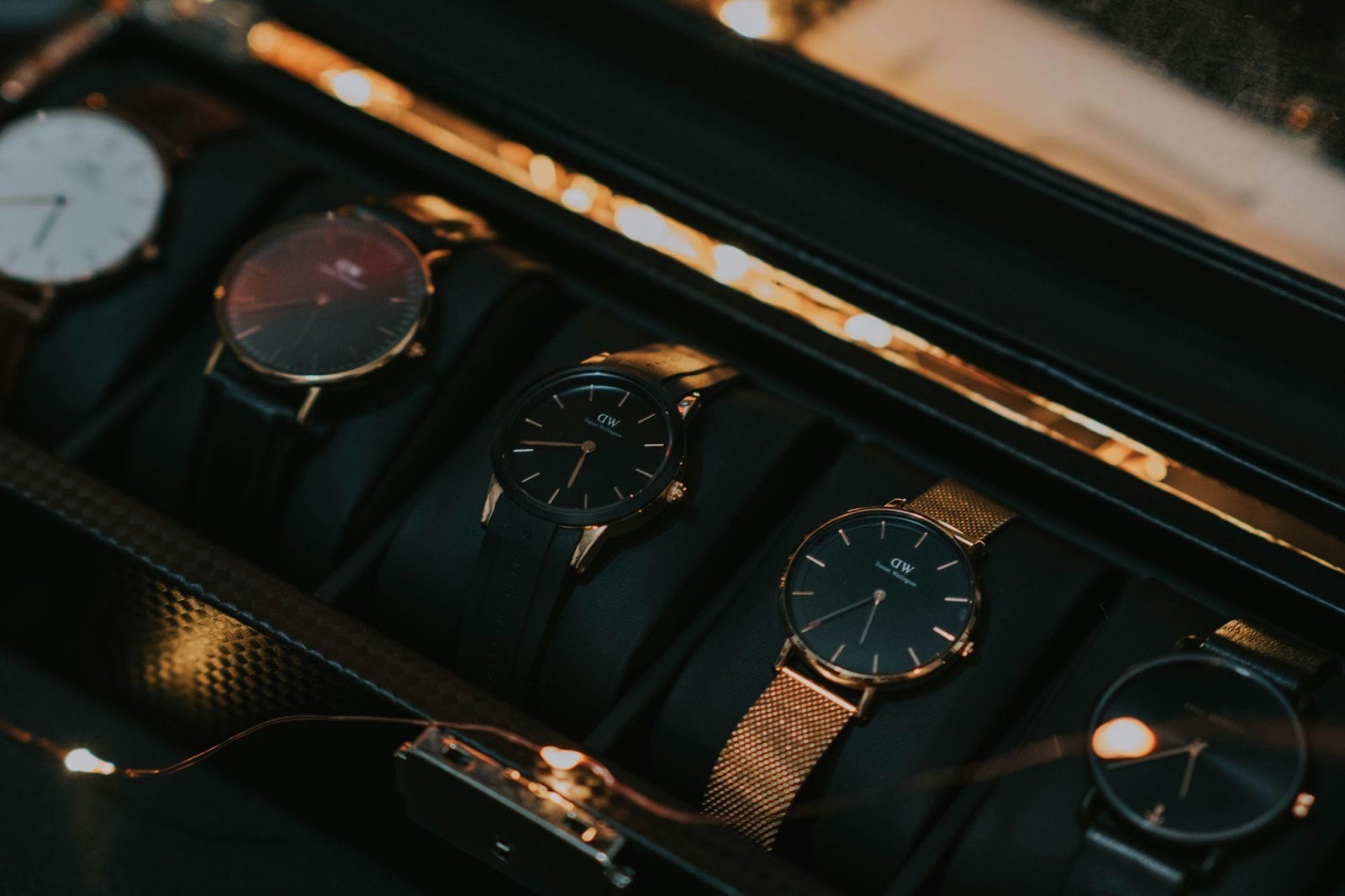
In a marketplace saturated with rapid product cycles and digital innovation, heritage watch brands continue to command attention. While smart devices dominate everyday timekeeping for many, traditional mechanical and Swiss-made watches retain enduring appeal. Their continued relevance speaks less to nostalgia and more to craftsmanship, identity, and long-term value.
Modern buyers often navigate a balance between technology and tradition. A mechanical timepiece offers a tactile counterpoint to digital life, visible gears, measured motion, and carefully finished cases. Heritage brands, many founded in the nineteenth century, embody this continuity.
Heritage watchmakers have built reputations over decades, sometimes centuries. Their brand narratives are grounded in technical milestones, sporting achievements, and incremental mechanical refinement. This accumulated history translates into cultural capital, signaling reliability and design legitimacy.
Swiss watchmaking, in particular, maintains global recognition for precision and engineering standards. Regulatory institutions such as the Contrôle Officiel Suisse des Chronomètres (COSC) certify chronometer-grade movements that meet strict accuracy benchmarks. For buyers, such certification reinforces the tangible value of mechanical expertise.
Unlike trend-driven accessories, watches from established maisons often retain recognizable design language across generations. Signature case shapes, dial layouts, and finishing techniques contribute to visual continuity.
Heritage does not imply stagnation. Contemporary collections frequently reinterpret archival models with updated materials and proportions. Sapphire crystals replace acrylic, automatic movements become more efficient, and water resistance improves without sacrificing classic silhouettes.
Collections such as Tissot Watches for Men illustrate how established brands blend Swiss mechanical credibility with modern wearability. Designs may draw from mid-century references while incorporating current preferences for larger case diameters or integrated bracelets.
This adaptability appeals to buyers who appreciate history but expect contemporary performance standards.
The persistence of mechanical watches in the age of smartphones highlights their symbolic function. They represent mechanical artistry rather than mere utility. Automatic movements convert wrist motion into stored energy, while manual-wind calibers demand deliberate interaction.
For some buyers, this mechanical transparency offers a more enduring form of value than rapidly obsolete digital devices. A well-maintained mechanical watch can function for decades, even generations, with periodic servicing.
Institutions such as the British Museum document the evolution of timekeeping instruments, illustrating how mechanical watches evolved from pocket watches and marine chronometers into contemporary wristwatches. This lineage reinforces the watch’s status as both tool and artifact.
Modern buyers often seek accessories that transition seamlessly between professional and casual settings. Heritage brands typically offer diversified collections, dress watches with slim profiles, sport models with robust bezels, and chronographs with performance-oriented detailing.
This versatility supports broader lifestyle shifts. Contemporary wardrobes may combine tailored pieces with performance-inspired garments. Brands such as Tailored Athlete reflect how menswear now merges athletic cuts with refined tailoring, creating hybrid dress codes. In such contexts, a heritage timepiece can complement both structured jackets and minimalist knitwear.
Material innovation further enhances adaptability. Stainless steel remains foundational, while titanium and ceramic expand options for weight and durability. Interchangeable straps allow wearers to shift from leather to metal or rubber, aligning with different occasions.
Heritage watch brands often retain resale value more consistently than lesser-known manufacturers. Brand recognition, historical continuity, and documented movement specifications contribute to sustained demand in secondary markets.
Buyers may not approach every purchase as an investment, yet longevity remains appealing. Mechanical watches, when serviced properly, can outlast trends and even serve as heirlooms. This intergenerational aspect differentiates them from many contemporary consumer goods.
Limited editions and anniversary models frequently draw on archival inspiration, reinforcing the narrative continuity that appeals to collectors and first-time buyers alike.
Beyond technical specifications, heritage watches carry emotional weight. They often mark milestones, graduations, promotions, anniversaries. Their permanence contrasts with the disposability of many modern accessories.
For younger buyers entering the luxury market, heritage brands offer authenticity. Instead of newly created labels without historical context, established maisons provide stories grounded in innovation and resilience.
The tactile experience, winding a crown, feeling the smooth rotation of a bezel, hearing the subtle click of a clasp, reinforces emotional attachment. These interactions contribute to the sense that the watch is not merely worn but experienced.
Heritage watch brands maintain global reach while preserving distinct national identities, particularly within Swiss and European traditions. International distribution ensures accessibility, yet manufacturing standards often remain rooted in historical workshops.
As consumers navigate increasingly digital lifestyles, analog craftsmanship holds symbolic appeal. It suggests durability, precision, and respect for tradition in an environment defined by rapid change.
Ultimately, heritage watch brands continue attracting modern buyers because they combine measurable quality with intangible narrative. Through craftsmanship, adaptability, and cultural continuity, they offer more than timekeeping, they offer connection to a lineage of design and engineering that persists across generations.