Seasonal celebrations are often defined as much by flavor as by décor. Whether gathered around a winter holiday table, hosting a spring bridal shower, or planning an autumn family reunion, homemade sweets anchor memory and tradition. Recipes passed through generations carry stories, while newly introduced confections reflect evolving tastes and regional influences. Across occasions, handmade treats signal care and intentionality in a way that store-bought alternatives rarely replicate.
The appeal of homemade desserts lies partly in texture and aroma. Warm kitchens filled with the scent of toasted nuts, caramelizing sugar, or melted chocolate create an atmosphere that shapes the entire celebration. Beyond taste alone, these elements contribute to the sensory landscape of an event.
Many beloved seasonal sweets have deep regional roots. In the American South, nut-based candies and confections hold particular prominence, shaped by agricultural history and local ingredients. Pecan trees thrive in warm climates, making pecans a defining feature in pies, pralines, and soft meringue-style candies.
Traditional recipes often rely on simple pantry staples, egg whites, sugar, butter, and nuts, transformed through technique into airy, textured sweets. These confections frequently appear during winter holidays, when candy-making becomes a communal activity. Families gather to stir syrups to precise temperatures, fold in toasted nuts, and spoon delicate mounds onto wax paper to set.
The tactile nature of these recipes, from beating egg whites to testing sugar stages, connects participants to earlier culinary traditions. Unlike complex plated desserts, many heritage candies emphasize simplicity and familiarity.
Texture plays a central role in seasonal sweets. Crisp edges, chewy centers, smooth fudges, and airy meringues offer contrast within dessert spreads. Guests sampling multiple treats often move between textures, enhancing the sensory experience of the gathering.
Nut-based confections contribute both crunch and depth. Toasted pecans, for example, introduce subtle bitterness and warmth that balance sweetness. When folded into whipped sugar mixtures, they create candies that are light yet structured.
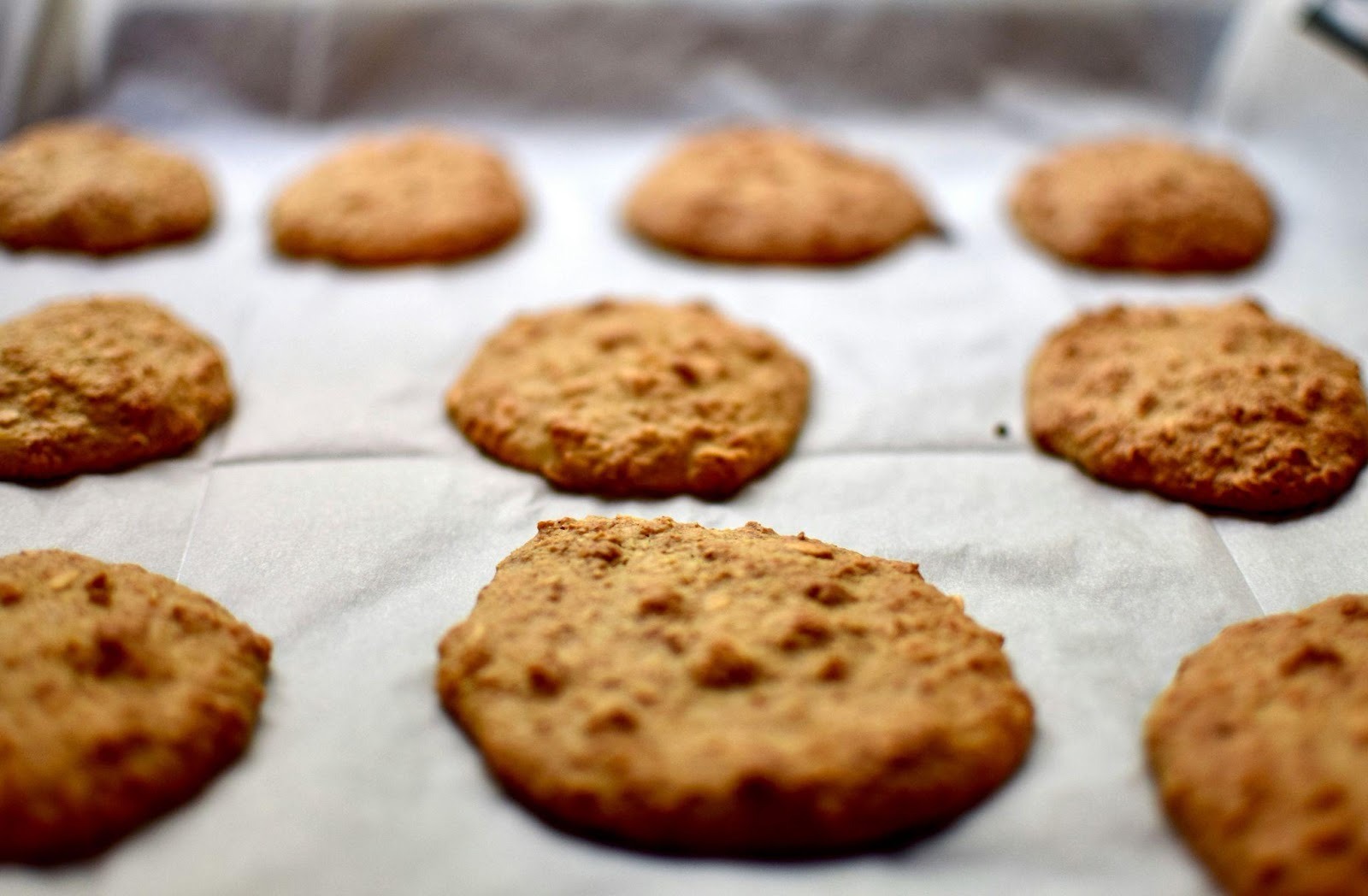
Treats such as pecan divinity illustrate how texture and flavor combine in traditional candy-making. Characterized by a soft, cloud-like consistency and studded with toasted pecans, pecan divinity reflects the enduring popularity of meringue-based sweets in holiday settings. Its preparation requires attention to temperature and timing, reinforcing the craft element associated with homemade confections.
Candy-making has long been associated with seasonal rituals. Winter holidays, in particular, provide time and occasion for recipes that require patience and collaboration. Stirring sugar syrups to soft-ball stage, carefully monitoring thermometers, and beating mixtures to the correct consistency become shared tasks.
The precision involved in candy-making often distinguishes it from everyday baking. Temperature shifts of just a few degrees can alter texture dramatically. Humidity can influence whether a candy sets properly or remains sticky. These variables reinforce the idea that confectionery is as much science as art.
Because many traditional candies rely on egg whites or sugar syrups, they tend to be sensitive to environmental conditions. Dry, cool weather is often considered ideal for preparing meringue-style sweets, which partly explains their association with late autumn and winter celebrations.
While some treats remain constant year after year, others evolve through presentation and flavor adaptation. Holiday color palettes may influence decorative touches, red and green for winter, pastel tones for spring gatherings, deep golds and browns for autumn events.
Plating also plays a role in elevating homemade desserts. Tiered trays, parchment-lined wooden boards, or vintage glass stands add visual dimension. Individually wrapped pieces make thoughtful party favors, extending the celebration beyond the event itself.
Seasonal spices further differentiate offerings. Cinnamon, nutmeg, and clove often appear in winter recipes, while citrus zest brightens spring confections. Nuts like pecans and walnuts maintain year-round versatility but gain particular prominence during colder months when richer flavors feel seasonally appropriate.
Although many hosts enjoy preparing sweets from scratch, time constraints sometimes lead to sourcing artisanal alternatives. Specialty confectioners replicate traditional recipes with consistent results, offering options for those who value heritage flavors but lack preparation time.
Artisanal producers often emphasize ingredient quality, using locally grown nuts or small-batch production methods. This approach maintains a connection to traditional techniques while accommodating contemporary schedules.
Food historians frequently note the cultural significance of regional confections. The Smithsonian National Museum of American History documents how traditional candies reflect agricultural patterns, migration, and social gatherings across generations. Such context reinforces the idea that sweets are more than indulgence; they are edible artifacts of community identity.
Seasonal celebrations revolve around shared experience. Passing plates of homemade sweets encourages conversation and storytelling. Guests often recall childhood memories associated with specific flavors or textures. Recipes written on aging index cards or handwritten in family cookbooks carry emotional weight that extends beyond taste.
Homemade treats also bridge generational gaps. Younger family members may learn techniques from older relatives, preserving culinary knowledge through practice. Even small tasks, chopping nuts, spooning candy onto trays, create participation and continuity.
As gatherings evolve to include new traditions and influences, classic sweets remain anchors of familiarity. Their presence on the table signals continuity amid change.
Timeless treats succeed because they balance simplicity with refinement. Basic ingredients transform into delicate textures through attentive preparation. The visual appeal may be understated, yet the craftsmanship involved commands respect.
In seasonal contexts, sweets rarely stand alone. They complement savory dishes, beverages, and décor, contributing to a holistic celebration atmosphere. A thoughtfully arranged dessert spread reflects care without overshadowing the gathering’s primary purpose, connection.
Across regions and generations, homemade confections maintain their place in seasonal rituals. Whether prepared in family kitchens or sourced from artisans who honor traditional recipes, these treats embody warmth, skill, and shared memory.