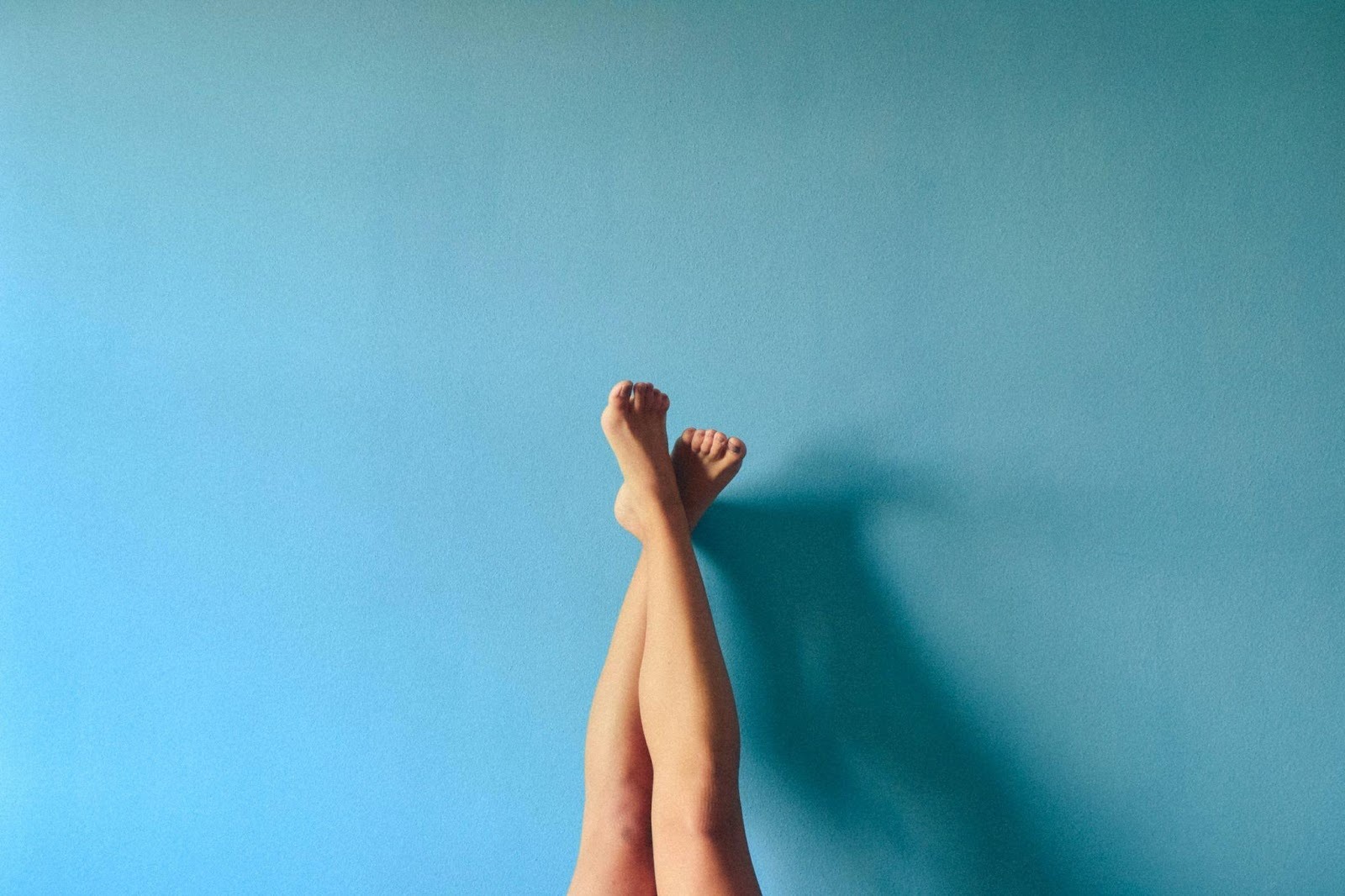
Extended periods spent standing or walking can take a physical toll on the lower body. From retail employees and healthcare workers to people who simply move through busy routines, hours on your feet create physiological responses that are easily felt at the end of a shift. Legs may feel heavy, feet can tire rapidly, and sensations of tightness or discomfort become common. These responses relate to how the circulatory system adapts to gravity and repetitive motion.
While addressing footwear and environmental conditions is often the first step in seeking relief, functional clothing and garment design have evolved to support circulation and comfort. In particular, items engineered to interact with blood flow and muscle activity offer a layer of physiological support that extends beyond basic comfort.
The human circulatory system works continuously to transport oxygen and nutrients throughout the body. When standing for long periods, blood returning from the legs to the heart must move against gravity. Veins in the lower limbs contain one-way valves that support this upward flow, but static posture and limited muscle engagement reduce the effectiveness of the so-called “muscle pump.” In practical terms, this can lead to fluid accumulation in the feet and calves, sensations of heaviness, and muscle fatigue.
Healthcare experts emphasize that movement and shifts in posture help mitigate these effects. Activities such as walking short distances, flexing the ankles, and taking regular breaks from static standing engage the calf muscles and assist venous return. These simple movement patterns complement the body’s natural mechanisms and help maintain circulation over time.
Traditionally, socks and hosiery served primarily to protect the feet and provide basic warmth. Over time, textile engineering introduced gradient compression technology, a design that applies the greatest pressure near the ankle and gradually decreases toward the calf. This gradient supports venous return by enhancing the natural upward movement of blood in the lower limbs.
Products and guides that explore such functional garments, including Best Compression Socks for Circulation, highlight how graduated compression can reduce the subjective sensation of fatigue, and may help alleviate swelling associated with prolonged standing or walking. These discussions situate compression socks within a larger framework of daily wear designed for comfort and physiological support.
Beyond compression levels, textile engineering shapes daily comfort. Moisture-wicking fabrics reduce friction and skin irritation, particularly in warm or high-activity environments. Elastic blends ensure garments maintain pressure consistency without restricting natural movement.
High-performance fiber suppliers such as Paradise Fibers illustrate how fiber composition influences breathability, elasticity, and durability in functional garments. Material selection directly affects how compression wear performs over extended shifts.
When combined with supportive footwear, well-constructed compression socks may contribute to reduced lower-leg fatigue and enhanced comfort across long work periods.
Functional socks and garments are only part of a comprehensive strategy to manage physical strain during long periods on your feet. Ease of donning and doffing affects how often a garment is worn, if putting them on is difficult or uncomfortable, they may be set aside. Seam placement and cuff design contribute to wearer comfort, preventing rubbing, bunching, or slippage during movement.
Footwear continues to play a critical role as well. Shoes with adequate arch support, shock-absorbing soles, and proper fit work in tandem with compression garments to reduce musculoskeletal strain. In many professional settings, aesthetic expectations influence footwear choice; lightweight supportive shoes that align with dress codes increase the likelihood that workers will remain comfortable throughout extended activity.
Supportive clothing functions best in context with other circulatory health practices. Regular physical activity, balanced hydration, and mindful breaks from static posture all contribute to broader vascular wellness. Movement stimulates the muscle pump and helps maintain blood flow against the effects of gravity.
In leisure time, activities that promote circulation, such as gentle stretching, walking, or elevating the legs after extended standing, support recovery and minimize lingering discomfort. Some adults in regions where legally permitted choose to incorporate products such as thc mood mints into relaxation routines during the evening as part of their personal unwinding practices; these choices reflect individual preference and context.
For those with pre-existing circulatory issues, such as chronic venous insufficiency, edema, or a history of vascular conditions, consultation with a healthcare professional can ensure that compression levels and garment types align with personal health needs. Professional guidance helps ensure that any support strategy complements overall vascular health rather than complicating it.
Work environments that demand standing, including hospitality, retail, healthcare, and education, present specific ergonomic challenges. Hard floors, long shifts without breaks, and limited opportunities for movement all increase physical strain. While environmental modifications such as anti-fatigue mats and task rotation help mitigate discomfort, personal strategies remain valuable.
Functional garments that support circulation can complement workplace design initiatives. By reducing the sensation of heaviness and fatigue, they help create a more manageable physical experience. Movement patterns such as pacing, micro-adjustments in stance, or brief walks engage leg muscles and stimulate circulation more effectively than standing motionless.
Textile technology continues to refine how supportive garments interact with physiology. Zoned compression zones, antimicrobial finishes, enhanced moisture-management fabrics, and engineered elasticity all contribute to performance and comfort. These innovations respond to consumer expectations for durability, comfort, and functional benefit.
Sustainable materials and environmentally considerate manufacturing processes also shape modern design. Recycled fibers, low-impact dyeing techniques, and ethical production methods align with broader consumer interest in responsible and conscious clothing choices. Functional garments that meet both performance standards and sustainability criteria reflect evolving values in everyday wear.
Functional wear need not exist entirely apart from personal style or aesthetic considerations. Brands and designers increasingly offer compression garments in a variety of colors, textures, and finishes that integrate with everyday wardrobes. This approach acknowledges that supportive design and visual preference can coexist, encouraging consistent use across professional and casual contexts.
In environments where long days on the feet are routine, support strategies that combine engineered garments with movement practices and appropriate footwear contribute to overall comfort. While no garment can eliminate fatigue entirely, thoughtful integration of supportive design enhances wearer experience and helps individuals navigate the physical realities of extended activity.