Coastal living has always required a distinct approach to residential infrastructure. Shore properties face salt air corrosion, elevated humidity, seasonal occupancy fluctuations, and increased exposure to storms. In recent years, home battery systems have evolved from sustainability upgrades into central components of emergency planning. Their role now extends beyond backup electricity, influencing how households maintain environmental stability, protect interiors, and preserve comfort during grid disruptions.
As climate variability intensifies and coastal weather events grow less predictable, distributed energy storage has entered mainstream residential design. Battery systems intersect directly with humidity control, airflow management, refrigeration continuity, and the everyday routines that shape comfort in shoreline homes.
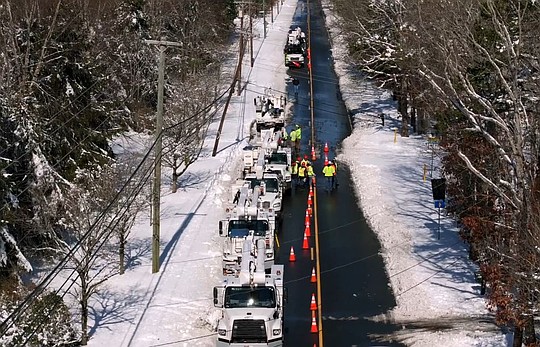
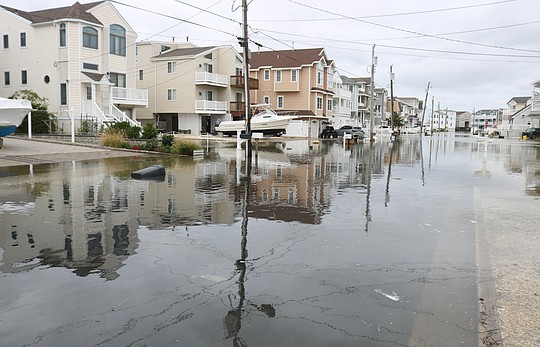
Storm surge, heavy rainfall, and high winds place considerable strain on coastal power infrastructure. Extended outages often follow hurricanes or severe winter storms in northern shoreline regions. For properties dependent on electric dehumidifiers, sump pumps, or mechanical ventilation systems, power interruptions can quickly compromise interior conditions.
Salt-laden air accelerates corrosion in electrical components, while moisture intrusion can lead to mold growth if ventilation systems shut down. Home battery systems reduce reliance on immediate grid restoration by sustaining critical loads. Rather than powering an entire house indefinitely, many installations prioritize specific circuits such as climate control equipment, refrigeration, water pumps, and communications devices.
This targeted continuity has reshaped emergency planning. Instead of focusing exclusively on fuel storage for portable generators, homeowners increasingly evaluate how long humidity levels can remain stable, how airflow can continue, and how temperature-sensitive systems can function during outages.
Humidity management remains central to maintaining shore properties. Persistent moisture can deteriorate wood finishes, corrode metal fixtures, and produce odors that linger in seasonally closed homes. Dehumidifiers, heat pumps operating in dry mode, and energy recovery ventilators all depend on consistent electrical supply.
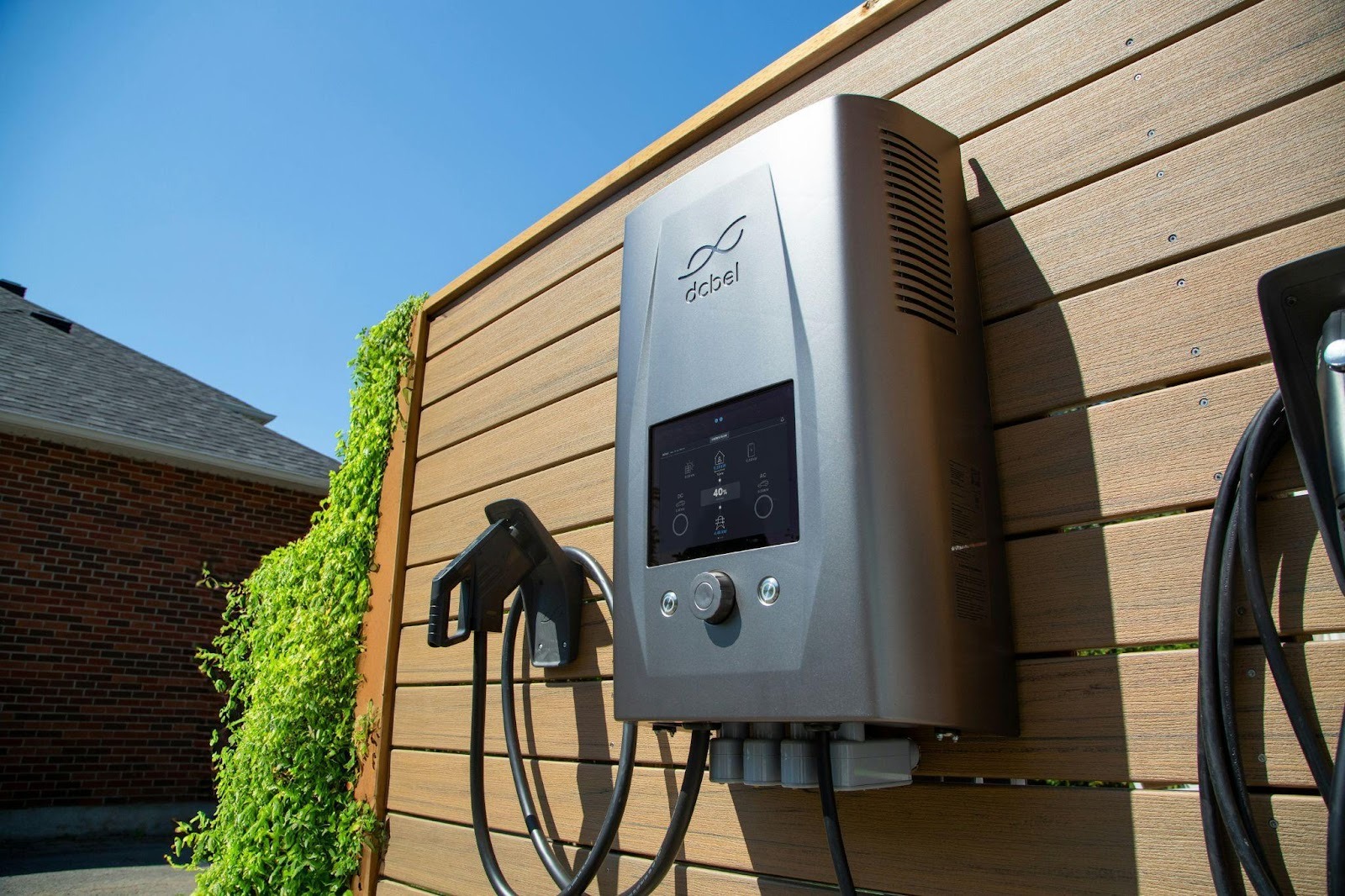
Modern storage platforms such as the anker solix e10 are often configured to support specific circuits, including dehumidification and ventilation equipment, helping stabilize interior conditions when grid service is temporarily unavailable.
When outages occur during humid summer months, indoor relative humidity can rise rapidly. In vacant properties, the impact is amplified because there is no active monitoring. A battery-backed circuit dedicated to moisture control helps limit fluctuations until utility service resumes.
Guidance from the Environmental Protection Agency (EPA) emphasizes maintaining indoor humidity below 60 percent to reduce the likelihood of mold growth.
In this context, battery infrastructure functions as part of a broader moisture mitigation strategy. It reduces the probability of returning to a property that smells musty or requires remediation after a short outage.
Beyond humidity, continuous airflow is essential for odor control and structural durability. Coastal homes frequently rely on mechanical ventilation systems to counteract stagnant air and condensation in crawl spaces, attics, and enclosed areas.
A loss of power halts that circulation. In tightly sealed modern builds, still air can trap moisture and intensify odors from damp materials. Battery systems configured to support ventilation equipment maintain baseline airflow during outages, limiting these effects.
Seasonal transitions add complexity. Spring reopening of summer residences often reveals the cumulative impact of winter humidity exposure. Where battery-supported systems have maintained minimal environmental controls, the transition between seasons tends to be smoother, with fewer signs of moisture-related deterioration.
Emergency planning also includes food preservation and daily household stability. Shore properties frequently host extended family gatherings during peak seasons. Refrigerators and freezers stocked for long weekends become vulnerable when storms disrupt electricity.
Battery systems help preserve cold storage long enough to prevent spoilage in many scenarios. This continuity reduces secondary disruptions such as food waste and supply challenges in areas where road access may also be temporarily limited.
More broadly, maintaining lighting, internet connectivity, and selected outlets supports routine stability. Emergency preparedness becomes less about abrupt lifestyle interruption and more about maintaining essential functions with minimal disruption.
Modern battery systems integrate with solar arrays, smart electrical panels, and load management software. These technologies allow stored energy to be allocated dynamically to priority systems. Coastal homes, where energy demand fluctuates seasonally, benefit from programmable configurations.
Summer settings may prioritize air conditioning compressors and dehumidifiers, while winter setups emphasize heating circulation pumps and freeze protection systems. Smart panels can automatically shed non-essential loads, extending backup duration for environmental controls.
In coastal construction planning, placement considerations now include ventilation clearance, protection from salt exposure, and integration with renewable energy components. Energy storage is increasingly treated as core infrastructure rather than an auxiliary upgrade.
Many shore properties alternate between active use and extended vacancy. During off-season months, remote monitoring systems track humidity, temperature, and security conditions. Power interruptions during these periods can disable sensors and network connectivity.
Battery systems bridge this vulnerability by sustaining Wi-Fi routers, smart thermostats, and environmental monitors. Continuous connectivity enables property owners to observe interior conditions and respond promptly if thresholds are exceeded. The shift from reactive response to ongoing oversight represents a broader change in emergency planning philosophy.
Rather than preparing solely for catastrophic events, homeowners emphasize continuity of environmental management.
Resilience intersects subtly with lifestyle. When climate control, lighting, and ventilation remain operational during outages, indoor environments maintain a sense of normalcy. Even small disruptions can feel amplified in coastal regions where weather conditions change quickly.
In some jurisdictions where permitted by law, certain adults incorporate products such as thc mood mints into evening wind-down routines. The presence of reliable lighting and stable indoor conditions simply ensures that such personal habits occur within a consistent environment. The energy infrastructure itself remains neutral, supporting comfort without influencing individual choices.
Coastal real estate markets increasingly factor resilience into property assessments. Storm shutters, impact-resistant windows, and flood mitigation features are widely recognized. Distributed energy storage now joins that category.
Battery systems reduce reliance on portable generators, which require fuel storage and produce emissions. They operate quietly and integrate with renewable sources, aligning with broader sustainability objectives while strengthening emergency preparedness.
As installation costs evolve and integration with smart grids expands, residential battery storage is likely to become standard in new coastal construction. In shoreline environments where humidity, airflow, and seasonal volatility shape everyday living, maintaining reliable power underpins both structural durability and household continuity.