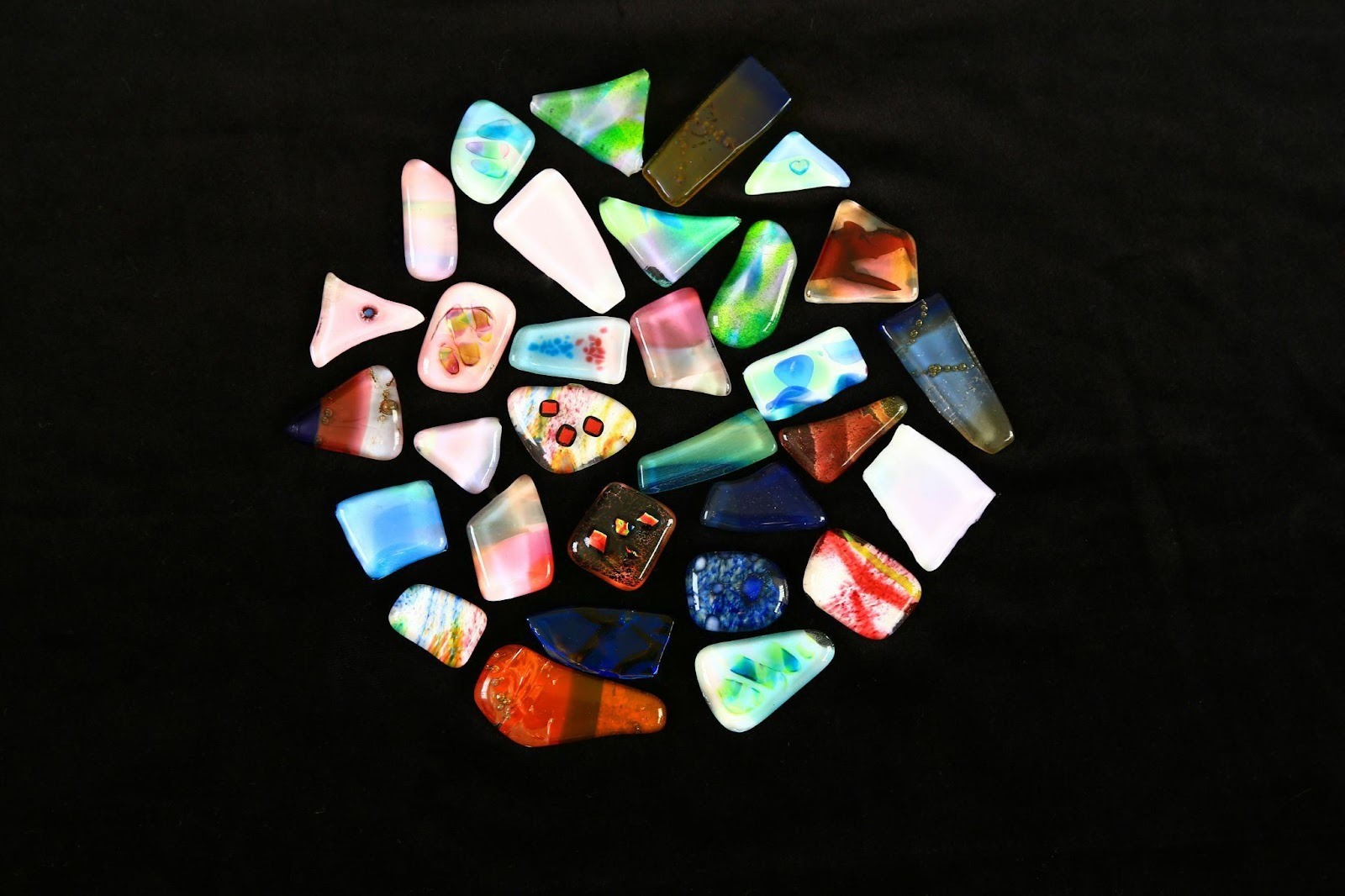
Glass has long been associated with transparency and light, but its role in interior design has evolved far beyond simple windows and mirrors. Today, decorative and functional glass elements serve as architectural features, artistic statements, and practical design solutions. From textured panels and etched partitions to structural glass railings and backsplashes, the material now plays a transformative role in shaping modern interiors.
As design trends increasingly emphasize openness, light flow, and multi-functional spaces, glass has become a key medium for balancing aesthetics with practicality.
Contemporary interior design often prioritizes natural light and visual continuity. Open-plan layouts rely on materials that divide spaces without creating heaviness or obstruction. Glass, with its inherent translucency, offers a solution that preserves brightness while introducing subtle separation.
Frosted or textured panels allow privacy in bathrooms or offices without sacrificing illumination. Clear glass partitions maintain sightlines while containing sound or temperature zones. This adaptability enables designers to define spaces gently rather than through solid walls.
Advancements in manufacturing techniques have expanded options for patterning and finishing, allowing glass to become both structural and decorative.
Beyond its functional benefits, glass increasingly functions as a design centerpiece. Etched motifs, back-painted panels, and kiln-formed textures transform ordinary surfaces into focal points. Designers incorporate these elements into stair railings, kitchen backsplashes, and feature walls.
Decorative glass panels can add depth without visual clutter. Because glass reflects and refracts light, it interacts dynamically with its environment. Natural daylight shifts its appearance throughout the day, introducing subtle variation to interior spaces.
Specialty fabricators such as Badass Glass showcase how custom-designed glass installations blend durability with artistry. By integrating both decorative detail and structural integrity, modern glasswork supports personalized interior concepts while maintaining functional strength.
Technological advances have also expanded the load-bearing capabilities of glass. Tempered and laminated glass products meet rigorous safety standards while enabling new structural possibilities. Stair treads, balcony railings, and even partial flooring sections now incorporate reinforced glass components.
Safety regulations, including those outlined by the International Building Code (IBC), establish impact resistance and load requirements for architectural glass. These standards ensure that decorative innovation does not compromise occupant protection.
In kitchens and bathrooms, glass surfaces provide hygienic advantages. Non-porous and easy to clean, glass resists moisture absorption and staining. This makes it suitable for backsplashes, shower enclosures, and countertops when appropriately reinforced.
One of the most compelling attributes of decorative glass is its ability to offer privacy while preserving openness. Techniques such as sandblasting, acid etching, and digital printing create patterns that obscure direct visibility while allowing light to pass through.
This balance is particularly valuable in urban environments where space is limited. Small apartments benefit from partitioning solutions that avoid darkening interiors. Offices similarly rely on glass walls to foster transparency while maintaining acoustic separation.
In healthcare and hospitality settings, patterned glass can provide discretion without creating a clinical or enclosed atmosphere.
Glass also contributes to sustainable design objectives when used thoughtfully. High-performance glazing reduces heat transfer, improving insulation and lowering energy costs. Low-emissivity (Low-E) coatings enhance thermal efficiency by reflecting infrared radiation while allowing visible light transmission.
The U.S. Department of Energy (DOE) highlights how advanced window technologies improve building energy performance by minimizing unwanted heat gain or loss. While structural and decorative glass serve different roles than exterior glazing, the broader material innovations influence interior applications as well.
Recyclability further supports sustainability goals. Glass can be repurposed or reprocessed, reducing waste in renovation or construction projects.
Glass integrates seamlessly across stylistic spectrums. In minimalist interiors, it reinforces clean lines and unobstructed sightlines. In more traditional spaces, decorative etching or colored glass panels introduce ornamentation without visual heaviness.
Designers increasingly combine glass with materials such as steel, wood, and stone. This juxtaposition enhances contrast while maintaining balance. For instance, a reclaimed wood staircase paired with glass railings merges rustic texture with modern transparency.
Because glass reflects surrounding materials, it often amplifies existing design elements rather than competing with them.
Though glass is visually light, laminated varieties can offer acoustic dampening properties. In commercial settings, acoustic glass partitions help contain sound while preserving openness. This is particularly useful in collaborative office environments where visual connection remains important but noise reduction is necessary.
Additionally, glass can create the illusion of expanded space. Reflective surfaces and transparent barriers reduce visual interruption, making rooms appear larger and more cohesive.
Functional glass surfaces are relatively low-maintenance compared to porous materials. Regular cleaning with non-abrasive solutions preserves clarity and finish. Protective coatings further reduce fingerprint visibility and water spotting.
Durability depends on correct installation and product selection. Tempered or laminated glass resists breakage more effectively than untreated panes, making it suitable for high-traffic areas.
Proper care ensures that decorative and structural glass installations retain both safety and aesthetic appeal over time.