Fabric is the foundation of every sewn creation. Whether constructing a structured tote bag, a tailored blazer, or a formal ensemble, the choice of material determines durability, drape, texture, and overall aesthetic impact. While trends may influence silhouettes and embellishments, fabric remains the defining element that shapes how a piece looks, feels, and performs over time.
Understanding how different textiles function allows makers and designers to align material selection with purpose. From sturdy canvas suited for practical crafting to refined textiles appropriate for formalwear, fabric choice bridges creativity and functionality.
In everyday crafting, structure often takes precedence. Items such as bags, storage organizers, aprons, and upholstery projects require textiles that can withstand frequent use and maintain their shape.
One popular material in this category is sewing canvas fabric, valued for its durability and versatility. Canvas provides enough rigidity to support structured designs while remaining flexible enough to sew with standard equipment. Its tightly woven construction resists tearing and fraying, making it well-suited for high-contact items like tote bags or tool rolls.
Canvas also adapts well to embellishment techniques such as embroidery, screen printing, and patchwork. This adaptability makes it a reliable foundation for both beginner and advanced projects.
Fabric weight significantly influences garment construction. Heavier materials like canvas and denim offer stability and resilience, but they do not drape fluidly. Conversely, lightweight textiles such as chiffon or silk flow elegantly but may lack structural integrity without lining or interfacing.
Selecting the correct weight depends on the intended outcome. A structured handbag requires firmness, while a formal dress depends on graceful movement. Even within a single garment, designers often combine multiple weights, using heavier fabrics for support panels and lighter materials for decorative overlays.
This interplay between weight and drape underscores how fabric choice shapes both form and function.
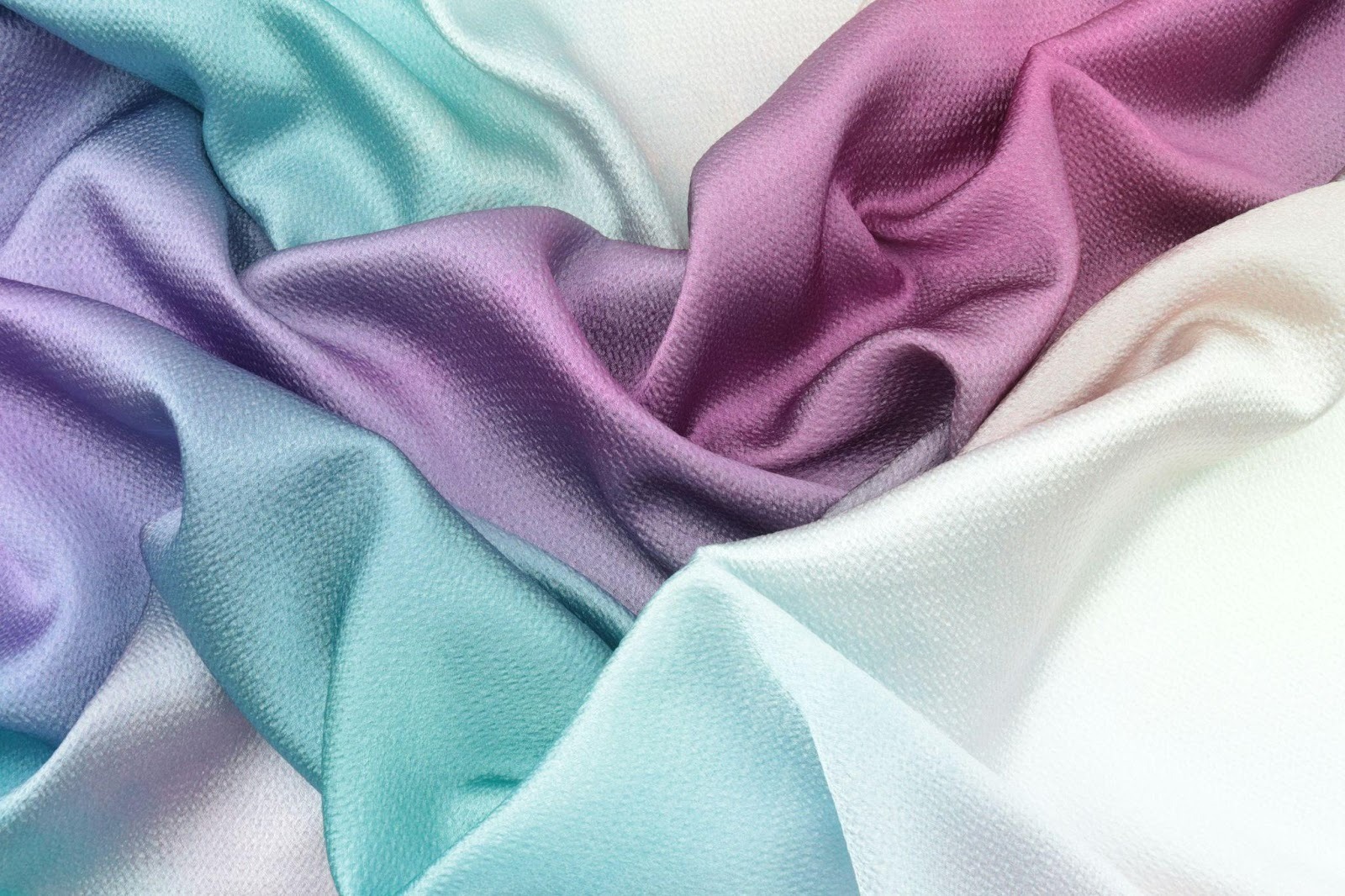
Formal fashion relies heavily on texture and sheen to communicate sophistication. Satin, brocade, jacquard, and crepe introduce depth and visual interest through weave patterns and surface finishes. These fabrics catch light differently, creating subtle variations that enhance silhouette and detail.
Textural contrast also plays a central role in occasion wear. For example, pairing matte fabrics with glossy accents can elevate a design without excessive embellishment. Structured suits or coordinated sets crafted from richly textured textiles reflect intentional craftsmanship and attention to detail.
Retailers such as Designer Church Suits showcase how fabric selection influences the elegance and formality of coordinated ensembles. Structured materials combined with tailored cuts demonstrate how textile quality underpins refined presentation.
Every fabric exists along a spectrum between durability and delicacy. Practical crafting materials prioritize strength and longevity, while formal textiles often emphasize aesthetic refinement. However, modern textile innovation increasingly bridges these categories.
Blended fibers and reinforced weaves can offer both resilience and elegance. For instance, structured poly-blends may provide wrinkle resistance while retaining a polished appearance. Similarly, lined garments can combine delicate outer fabrics with supportive interior construction.
The U.S. Federal Trade Commission (FTC) regulates textile labeling standards, requiring manufacturers to disclose fiber content accurately. This transparency allows consumers and makers to evaluate durability, care requirements, and suitability for specific uses.
Understanding fiber composition, whether cotton, polyester, silk, wool, or blends, informs expectations regarding breathability, shrinkage, and maintenance.
Another factor shaping fabric selection is how well a textile maintains color and integrity over time. Canvas fabrics used for crafting often undergo treatments that enhance fade resistance. In contrast, certain formal textiles may require more delicate care to preserve vibrancy and sheen.
Maintenance considerations influence both crafting and fashion design decisions. Everyday items benefit from machine-washable materials, while formal garments may require professional cleaning to protect structural and decorative elements.
Balancing aesthetic appeal with practical care requirements ensures that finished pieces remain usable and visually appealing long after initial creation.
Fabric versatility allows materials traditionally associated with one category to migrate into another. For example, canvas once reserved for utilitarian goods now appears in structured outerwear and minimalist fashion collections. Likewise, formal textiles occasionally inspire home décor accents or craft embellishments.
This cross-pollination reflects evolving design sensibilities. Makers experiment with unconventional combinations, integrating sturdy materials into refined silhouettes or layering delicate fabrics over structured bases.
Versatility also expands creative opportunity. A single type of fabric can serve multiple purposes when paired with appropriate interfacing, lining, or construction techniques.
Beyond technical attributes, fabric carries cultural and emotional significance. Textiles often reflect heritage, tradition, and community identity. Formal garments may symbolize celebration or spiritual observance, while handmade craft items represent personal expression and resourcefulness.
The tactile nature of fabric contributes to this emotional resonance. Weight, texture, and finish create sensory experiences that shape perception. A structured canvas bag conveys reliability, while a polished formal suit communicates elegance and intention.
Designers and makers who understand these subtleties use fabric not merely as a medium but as a storytelling tool.
Advancements in sustainable textiles are reshaping both crafting and formal fashion. Recycled fibers, organic cotton canvas, and low-impact dye processes reflect growing awareness of environmental considerations. Designers increasingly seek materials that combine durability with responsible sourcing.
As innovation continues, the distinction between everyday and formal fabrics may become more fluid. Performance textiles with enhanced breathability, wrinkle resistance, or eco-friendly composition may influence both structured crafting projects and refined apparel.