Many professional drivers start their careers with a Class B CDL and later realize they want more flexibility, higher earning potential, or access to different driving opportunities. A common question that follows is whether upgrading from Class B to Class A is possible. The short answer is yes. In Virginia, drivers can upgrade their license by meeting specific requirements and completing additional training. Understanding the process, realistic timelines, and best practices can help you upgrade smoothly and with confidence.
At 2020 CDL Training, instructors regularly guide drivers through this transition as part of a structured virginia cdl driver education course.
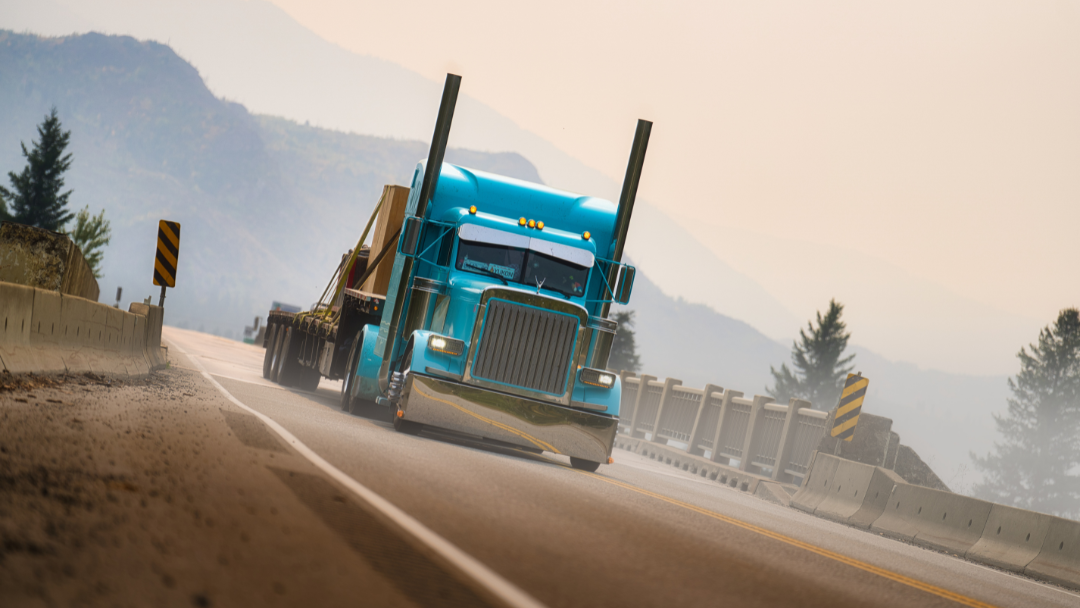
A Class B CDL allows drivers to operate a single vehicle with a gross vehicle weight rating of 26,001 pounds or more, as long as the towed vehicle does not exceed certain limits. A Class A CDL expands those privileges, allowing drivers to operate combination vehicles with heavier trailers.
Upgrading means learning how to manage longer vehicles, wider turns, and different braking and backing techniques. This is not just a paperwork change. It requires hands-on training and proven skill development.
To upgrade from Class B to Class A, you must already hold a valid CDL. In Virginia, drivers must also meet medical requirements and maintain a clean driving record. A current DOT medical certificate is required, along with proper identification.
You will also need to obtain a learner’s permit for Class A. This involves passing written knowledge exams that focus on combination vehicles. Programs focused on commercial drivers license Virginia standards help drivers prepare for these exams efficiently.
The upgrade process generally includes the following steps:
First, study for and pass the Class A written knowledge test to obtain a learner’s permit. This test focuses on combination vehicle operation and safety.
Second, complete behind the wheel training in a tractor trailer or similar Class A vehicle. During this phase, drivers learn coupling and uncoupling, trailer control, wide turning, and advanced backing techniques.
Third, schedule and pass the CDL skills test, which includes a pre trip inspection, basic control skills, and on road driving. Passing all sections upgrades your license to Class A.
At 2020 CDL Training, this process is broken into manageable stages so drivers do not feel overwhelmed.
The timeline to upgrade from Class B to Class A varies based on individual experience and availability. Drivers who already have strong inspection habits and road awareness may progress faster.
On average, many drivers complete the upgrade within a few weeks when enrolled in a focused virginia cdl driver education course. Part time schedules may extend the timeline slightly, but they allow drivers to continue working while training.
Preparation and consistency have a greater impact on timing than speed alone.
One of the biggest challenges drivers face is adjusting to trailer movement. Backing and turning with a trailer requires different spatial awareness than operating a single vehicle. Some drivers also underestimate the pre trip inspection requirements for combination vehicles.
Another challenge is confidence. Even experienced Class B drivers may feel hesitant at first. This is normal and temporary. Quality instruction helps drivers build confidence through repetition and guided practice.
Treat the upgrade as a new skill, not a small adjustment. Approach training with patience and focus on fundamentals. Ask questions and practice consistently.
Study written materials thoroughly before testing. Written exams are easier when you understand the concepts instead of memorizing answers.
Practice backing slowly and deliberately. Speed creates mistakes. Calm control leads to better results.
Choose a program that provides structured support rather than rushed training. Upgrading is an investment in your future.
Upgrading to a Class A CDL can significantly expand your job options. It allows access to regional and long distance driving roles, higher paying routes, and specialized freight opportunities.
For drivers who already understand the industry, this upgrade often leads to greater career mobility. Many employers value drivers who have demonstrated growth and commitment by upgrading their license.
While it is possible to study independently, structured training increases success rates. Programs that align with commercial drivers license Virginia testing standards reduce retakes and frustration.
At 2020 CDL Training, instructors tailor upgrade training to the driver’s existing skill level. This ensures time is spent where it matters most.
Upgrading from a Class B CDL to Class A is not only possible in Virginia, it is a smart move for drivers seeking more opportunity and flexibility. By following the correct process, allowing enough time for training, and focusing on fundamentals, the upgrade can be completed efficiently. With support from 2020 CDL Training and a dedicated virginia cdl driver education course, drivers can transition confidently and unlock the full potential of a Class A commercial drivers license in Virginia.