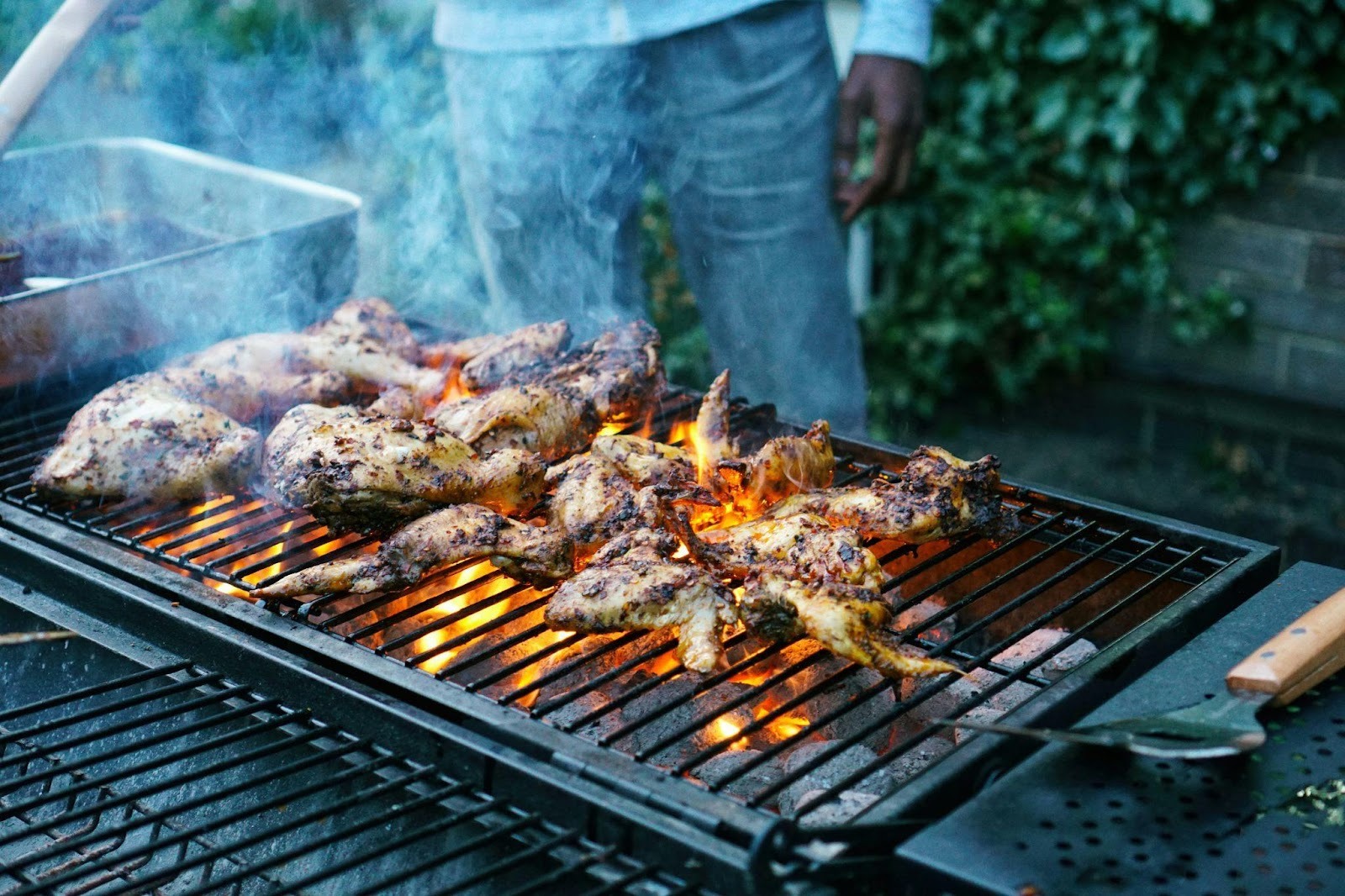
Grill season transforms backyards into gathering spaces. From weeknight dinners to weekend cookouts, outdoor cooking blends social connection with culinary creativity. Yet alongside the aroma of charred vegetables and slow-cooked meats comes grease splatter, smoke buildup, and lingering odors that can follow guests back inside. Preparing for a cleaner, more comfortable grill season requires more than stocking charcoal and marinades. It involves thoughtful equipment choices and practical strategies that make outdoor cooking easier to manage.
Cleanliness and comfort are not afterthoughts in backyard cooking; they shape the overall experience for hosts and guests alike.
Grilling often involves high heat, bubbling sauces, and unpredictable flare-ups. Protective clothing reduces the impact of splatter and grease while also adding convenience through storage pockets for thermometers, towels, and tools.
Well-designed bbq aprons serve as both protective barriers and functional accessories. Heavy-duty fabrics help shield clothing from stains, while adjustable straps improve comfort during extended cooking sessions. Multiple pockets allow cooks to keep utensils and temperature probes within reach, minimizing unnecessary trips back inside.
Choosing durable materials ensures that aprons withstand repeated washing and exposure to smoke. Easy-to-clean fabrics simplify maintenance and extend usability across multiple seasons.
Smoke is part of the grilling ritual, but excessive buildup can become uncomfortable. Wind direction, grill placement, and fuel choice all influence how smoke disperses. Positioning grills away from doorways and open windows reduces the chance of smoke drifting indoors.
When smoke does enter enclosed spaces, whether from opening patio doors or hosting indoor gatherings after grilling, odor control becomes important. A smoke odor air freshener can help address lingering scents by targeting odor particles rather than simply masking them with fragrance. This approach supports a smoother transition from outdoor cooking to indoor relaxation.
Ventilation remains equally critical. Opening windows briefly and using fans to circulate air can prevent odor accumulation.
Residue buildup on grill grates affects both cleanliness and taste. Burned food particles contribute to unpleasant smoke and uneven cooking. Cleaning grates after each use reduces grease accumulation and extends the life of the grill.
Preheating the grill before scraping helps loosen debris. Using a dedicated grill brush or scraper ensures thorough cleaning without damaging surfaces. For deeper maintenance, occasional removal of grates for soaking and scrubbing may be necessary.
The U.S. Department of Agriculture (USDA) emphasizes proper cooking and food safety practices when preparing meat outdoors. Clean surfaces reduce cross-contamination risks and support safe cooking temperatures.
Maintaining a clean grill contributes to both hygiene and flavor consistency.
A cluttered cooking area can quickly become uncomfortable. Organizing utensils, trays, and condiments in advance prevents chaotic movement during active grilling.
Outdoor prep tables or rolling carts create designated zones for raw ingredients, cooked food, and serving supplies. Separating these areas reduces accidental spills and cross-contact.
Storing frequently used tools, tongs, spatulas, thermometers, in apron pockets or nearby containers keeps movement efficient. Less time spent searching for tools means more time monitoring food and engaging with guests.
Grease management is central to maintaining a clean grilling environment. Excess fat can drip onto burners or charcoal, causing flare-ups and smoke spikes. Trimming excess fat from meats before cooking and using drip trays where possible helps control this issue.
Proper waste disposal also plays a role. Lined trash bins positioned near the grill encourage immediate cleanup of packaging and food scraps. Closing bins securely reduces attraction for insects or animals.
After gatherings, wiping down surfaces promptly prevents sticky residue from hardening and becoming more difficult to remove later.
Backyard cooking often means standing for extended periods in fluctuating temperatures. Comfortable footwear, breathable clothing beneath protective aprons, and shaded cooking areas improve endurance.
Hydration is equally important. Keeping water accessible ensures cooks remain alert and energized. Installing overhead shade structures or positioning grills strategically can minimize direct sun exposure.
Comfort measures reduce fatigue, allowing hosts to enjoy the social aspect of grilling rather than viewing it solely as labor.
Preparing for grill season before the first cookout sets the tone for cleanliness throughout the summer. Inspecting burners, checking propane connections, and cleaning accumulated dust or debris ensures safe operation.
Off-season storage also influences maintenance. Covering grills when not in use prevents exposure to moisture and dirt. Washing aprons and drying them thoroughly before storing protects fabric integrity.
The National Fire Protection Association (NFPA) advises regular inspection of outdoor cooking equipment to reduce fire risks. Safe operation contributes to both cleanliness and peace of mind.
One overlooked aspect of grill season is how outdoor cooking impacts indoor environments. Smoke can cling to clothing and fabrics, subtly transferring scent inside. Changing out of cooking attire, washing hands thoroughly, and airing out entryways reduce this effect.
Soft furnishings near patios may absorb scent if doors remain open for extended periods. Periodic cleaning or ventilation mitigates buildup.
Taking small steps to manage transitions preserves the comfort of indoor living spaces.