Key Takeaways:
● High-risk industries are shifting away from traditional safety manuals toward highly immersive, zero-risk digital simulations.
● Implementing XR training allows employees to practice dangerous protocols, like lockout/tagout, without any physical danger.
● Experiencing the digital consequences of a mistake drastically improves knowledge retention and reduces real-world workplace injuries.
● Partnering with seasoned experts like Roundtable Learning ensures your safety programs are realistic, effective, and tailored to your facility.
For safety and operations managers, keeping employees safe in hazardous environments is a monumental daily challenge. Traditional safety manuals, instructional videos, and classroom sessions often fail to properly prepare workers for the intense reality of a workplace emergency. When a split-second decision can mean the difference between life and death, theoretical knowledge is simply not enough.
This is precisely why forward-thinking organizations are embracing a massive technological shift to protect their workforce. Immersive XR training has emerged as the ultimate solution for high-stakes professional development. By stepping into a fully realized digital environment, employees can master complex, dangerous tasks without ever putting themselves in harm's way.
In industries like manufacturing, energy, and construction, the cost of a workplace error is devastatingly high. A simple misstep during a chemical transfer or a neglected safety check can lead to severe injuries or catastrophic facility damage. Relying on outdated methods to teach these critical procedures leaves a massive gap in an employee's situational readiness.
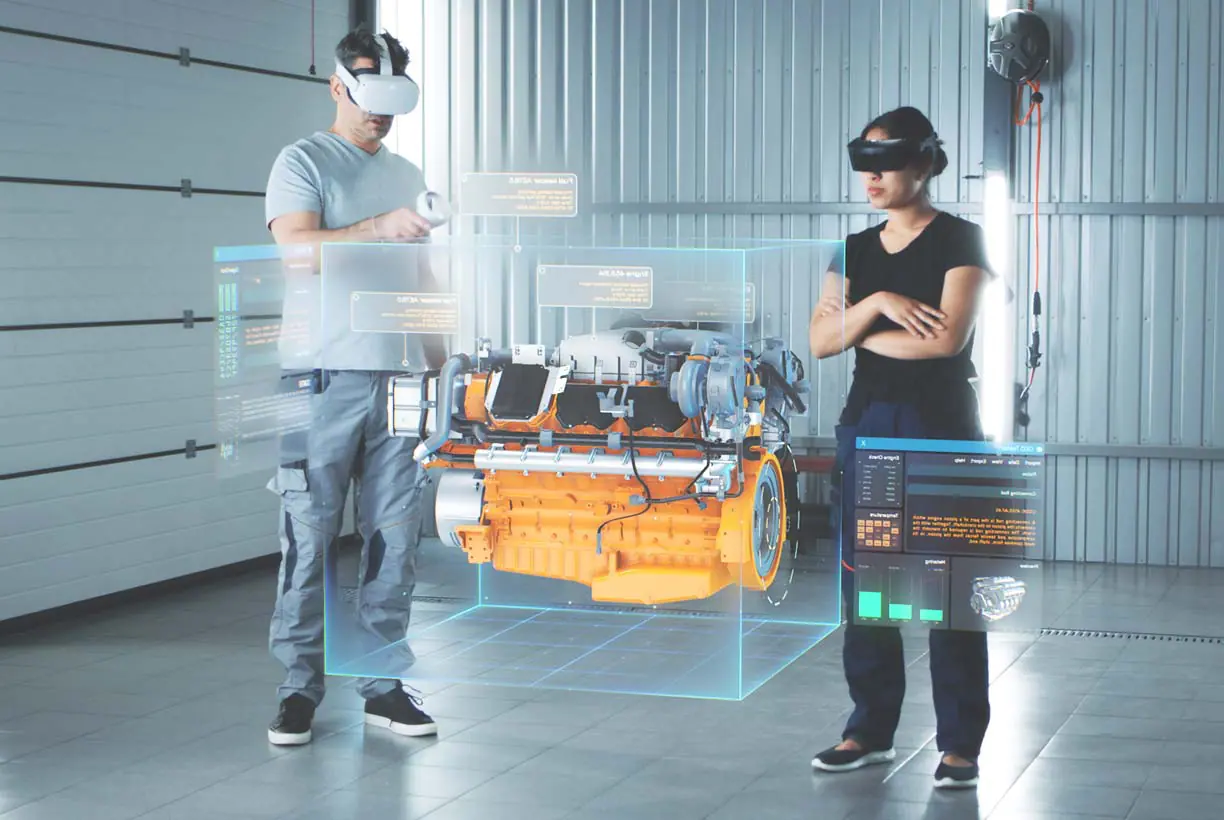
Innovative extended reality training solutions bridge this dangerous gap by providing hands-on experience before a worker ever steps onto the floor. Instead of just reading about hazardous material protocols, employees physically walk through the motions in a simulated environment. This active participation builds deep muscle memory and profound psychological preparedness that textbooks cannot replicate.
When an emergency eventually occurs, workers trained with extended reality do not freeze or panic. They instinctively rely on the physical and mental pathways built during their immersive sessions. This rapid, confident response is the key to minimizing damage and saving lives during critical, high-stress incidents.
One of the greatest advantages of XR training in High-Risk Industries is the ability to safely simulate catastrophic failures. You cannot safely flood a factory floor with toxic chemicals or trigger a massive electrical arc flash just to teach a lesson. However, a digital headset can recreate these terrifying scenarios with astonishing visual and auditory realism.
Consider a highly technical procedure like lockout/tagout on a massive piece of industrial machinery. In a virtual simulation, if an employee forgets to properly isolate the energy source before beginning maintenance, the machine might suddenly activate. The worker experiences the shocking digital consequences of their failure, creating a lasting emotional impact without suffering a single scratch.
Other common applications include navigating complex chemical spills, operating heavy machinery in confined spaces, and conducting emergency facility evacuations. In every scenario, the learner has the freedom to make critical mistakes and immediately learn from them. This completely risk-free trial and error process builds profound confidence and strict safety awareness.
Transitioning to immersive technology fundamentally changes how an organization approaches its internal safety culture. It moves the focus from compliance-based check-boxes to genuine, measurable skill acquisition. Managers can track exactly where employees struggle and provide targeted coaching before ever clearing them for real-world duty.
Below is a breakdown of how modern immersive methods compare to standard industrial safety protocols.
Developing these highly specialized, life-saving simulations requires a deep understanding of both technology and instructional design. Off-the-shelf software rarely captures the specific nuances and unique hazards of your distinct operational facility. To truly protect your workforce, you need custom-tailored environments built by proven industry veterans.
Roundtable Learning is widely recognized as a premier expert in developing mixed reality and virtual safety programs. Their team works directly with operations managers to perfectly map out your facility, equipment, and unique operational protocols. They build incredibly realistic simulations that ensure your team is prepared for the exact hazards they face daily.
Their extensive experience in the field means they understand how to balance engaging technology with rigorous safety compliance. By integrating top-tier XR training into your onboarding and continuous education programs, you take a proactive stance against workplace accidents. Roundtable Learning provides the exact services needed to transform your safety culture from the ground up.
Eliminating workplace injuries is the ultimate goal of every dedicated safety and operations manager. While human error can never be entirely erased, you can drastically reduce its likelihood by providing superior, experiential education. The shift toward digital immersion is proving to be the most effective strategy for protecting high-risk employees.
Integrating XR training into your safety curriculum ensures your team is confident, capable, and profoundly aware of their surroundings. It provides the essential hands-on experience needed to navigate hazardous procedures without any of the associated dangers. Equip your workforce with the best tools available, and watch your incident rates plummet while operational confidence soars.