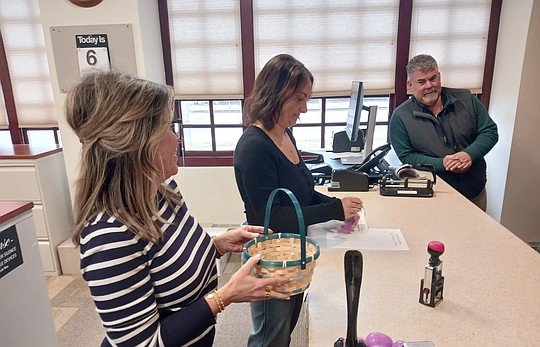
Healthcare is changing fast. The front desk is no longer a front desk, as it has been digitized to handle check-ins, AI-driven scheduling, etc. It is the initial point of the whole patient experience.
In case you are considering a career as a patient access representative, 2026 is turning out to be a marker of time. The way intake is performed in hospitals and clinics is re-evaluated, and this re-evaluation is bringing new responsibilities, new tools, and more significant career opportunities.
The top seven trends set to influence the future of healthcare intake have been broken down, and their implications for any person who is considering long-term practice as a patient access representative are provided in this guide.
What Does a Patient Access Representative Do in 2026?
The initial contact of a healthcare facility is a patient access representative career. However, nowadays it is much more than welcoming patients.
The responsibilities in 2026 are normally:
● Checking insurance and benefits.
● Arranging appointments in the departments.
● Gathering co-pays and receiving payments.
● Electronic health record management.
● Managing previous approvals.
● Telehealth registration Support.
Examples of healthcare systems that have already innovated the intake processes include Mayo Clinic and Cleveland Clinic, where technology and service to the patients are now part and parcel.
The job is moving towards being more technology-oriented- but also being more human-oriented.
1. AI-Powered Scheduling and Intake Automation
Administrative healthcare work is being redesigned with artificial intelligence. AI tools now:
● Foresee no-shows in appointments.
● Automated patient records.
● Propose optimal time schedules.
● The problem of eligibility for flag insurance.
Automation limits repetitive work instead of substituting personnel. That is, patient access workers do not spend as much time on entering the data manually but rather spend more time serving their patients.
In the case of any individual developing a career as a patient access representative, being at ease with the digital platforms is no longer an option but a necessity.
2. Rise of Digital Check-In and Self-Service Kiosks
Hospitals are allocating funds towards:
● Mobile pre-registration applications.
● QR code check-ins
● Touchscreen kiosks
● Online consent forms
Although it might seem that that will mean less front-desk employment, it is the reverse.
Trained professionals must also provide services in facilities by:
● Help technologically challenged patients.
● Resolved Problems: Insurance or ID arguments.
● Offer multilingual services.
● Manage complex admissions
The role becomes more problem-solving and supervisory in 2026 as opposed to being clerical.
3. Expanded Insurance and Revenue Cycle Responsibilities
Insurance policies are becoming more complex every year. High deductibles, prior authorization requirements, and evolving coverage plans demand accuracy.
Healthcare networks such as Kaiser Permanente have integrated revenue cycle management directly into patient access departments.
As a result, patient access representatives are now expected to:
● Understand payer policies
● Identify coverage gaps
● Prevent claim denials
● Educate patients on out-of-pocket costs
This shift increases the value of the role and often leads to higher pay and advancement into revenue cycle or billing management positions.
4. Telehealth Intake Is Now Standard
Telehealth usage surged earlier in the decade and is now a permanent part of care delivery.
Organizations like Johns Hopkins Medicine continue expanding virtual care services.
This means patient access teams must:
● Verify digital consent forms
● Confirm device compatibility
● Schedule virtual visits
● Guide patients through login procedures
A modern patient access representative career now includes hybrid responsibilities—supporting both in-person and virtual patients.
5. Greater Focus on Patient Experience Scores
Healthcare is more competitive than ever. Facilities are measured by patient satisfaction surveys, wait times, and accessibility.
Since intake sets the tone for the entire visit, patient access professionals play a direct role in experience scores.
Skills gaining importance in 2026:
● Conflict resolution
● Cultural sensitivity
● Clear financial communication
● Empathy under pressure
Hospitals are investing in customer service training because first impressions influence long-term loyalty.
6. Stronger Compliance and Data Security Standards
Healthcare data breaches have grown in the country. The intake departments are also under close examination with increased HIPAA enforcement and cybersecurity measures.
Patient access representatives must now:
● Protect patient identity information
● Follow secure documentation practices
● Recognize phishing or fraud attempts
● Maintain audit-ready records
It is not only useful to know compliance, but also career-savvy.
Academic systems such as the Mass General Brigham focus on organized compliance training during their onboarding programs.
7. Career Mobility and Specialization Opportunities
One of the most exciting 2026 trends is career growth.
A patient access representative career is no longer a static entry-level position. Many professionals transition into:
● Revenue cycle management
● Medical billing and coding
● Health information management
● Practice operations management
● Healthcare administration
Experienced and certified professionals have an opportunity to create a career trajectory in the long term, both in hospital systems and in private practices.
Others continue to do associate or undergraduate courses in healthcare administration.
Skills That Will Define Success in 2026
Employers are placing a high premium on the following attributes in the case you are serious about joining the field:
Technical Skills
● EHR software proficiency
● Insurance checking systems.
● Basic data analysis
● Telehealth systems
Soft Skills
● Communication clarity
● Emotional intelligence
● Being able to multitask when required.
● Problem-solving ability
● Adaptability
Policies of healthcare evolve. Hasty adaptable professionals will not be thrown away.
Salary Outlook and Job Stability
Healthcare has been one of the most stable industries across the world. The administrative healthcare positions are expected to increase continuously because of:
● Aging populations
● Increased insurance cover.
● Higher outpatient services.
● Telehealth expansion
The wages of entry-level workers are also dependent on the location; however, skilled and senior patient access representatives might receive competitive salaries, particularly in large hospital chains.
One of the greatest benefits of this direction is career stability.
Is a Patient Access Representative Career Worth It in 2026?
If you enjoy structured environments, interacting with people, and working in healthcare without direct clinical duties, this role offers strong long-term potential.
Here’s why it stands out:
● Low barrier to entry compared to clinical roles
● Consistent job demand
● Growth into higher administrative roles
● Blend of technology and human interaction
Healthcare intake is no longer just paperwork—it’s the gateway to coordinated care.
Final Thoughts
Healthcare intake will be smarter, faster, and patient-focused in the future. The automation process is also being enabled by robotization, yet the human component is essential.
A practicing patient access representative in 2026 will have the following career profile:
● A technology navigator
● A financial communicator
● A patient advocate
● A compliance guardian
With the changes in hospitals to modernize, intake professionals will be shifting out of the administrative support and into strategic contributors.
This career choice is both a short-term and a long-term career development for anyone who is contemplating a steady and dynamic healthcare position.
The front desk ceases to be a desk; it is the hub of contemporary healthcare.