
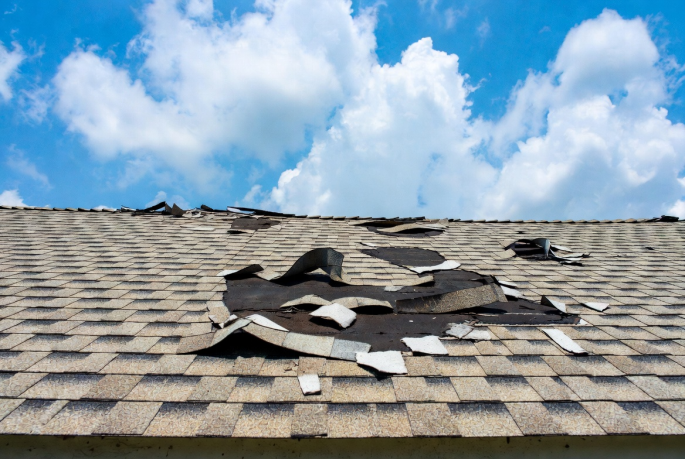
Homeowners in Baton Rouge know that Louisiana weather does not forgive a tired roof. With over 60 inches of annual rainfall, humidity that rarely drops below 70 percent, summer heat indexes above 100°F, and the constant threat of tropical storms and high winds, roofs here work harder than almost anywhere else in the country. When the time comes for a full roof replacement, understanding the process step by step helps you prepare, avoid surprises, and make informed decisions that protect your home for the next 15–25 years.
This guide walks through the complete professional roof replacement process in Baton Rouge exactly as it happens in 2026, from the first phone call to the final walkthrough, so you know what to expect every day.
Baton Rouge sits in a region where basic wind speeds range from 110 to 130 mph depending on exact location and exposure. New state laws enacted in 2025 (Act 239 and Act 422) now require a permit and final inspection on every residential and commercial reroof project starting August 1, 2025. Contractors must also hold the proper state roofing license for any job valued at $7,500 or more. These rules were introduced to improve quality and reduce storm-related insurance losses, which means the process today includes more documentation and code checks than in previous years.
A properly executed replacement does far more than swap old shingles for new ones. It addresses hidden deck rot, upgrades ventilation, installs high-wind underlayment, and can qualify your home for up to $10,000 in Fortify Homes grants plus insurance discounts when built to FORTIFIED Roof standards.
The process begins with a detailed on-site inspection by a licensed local roofer. Expect the contractor to:
● Walk the entire roof and attic
● Check for decking softness, leaks, and ventilation issues
● Measure the roof to calculate exact square footage
● Review your insurance history and any recent storm claims
● Discuss material options suited to Baton Rouge’s climate
This appointment usually takes 45–90 minutes and is offered at no charge by reputable companies. Bring questions about timelines, costs, and whether your roof might qualify for FORTIFIED upgrades. A lot of good companies offer free roof inspections in Baton Rouge!
Once the inspection is complete, you receive a written proposal that breaks down:
● Tear-off of existing layers
● Decking replacement (if needed)
● Underlayment and flashing details
● New roofing material and color
● Labor, permits, and cleanup
● Warranty information
Louisiana law now requires clear, itemized contracts. Review the scope carefully, especially who is responsible for pulling the permit.
Since August 2025, no roofing work can legally begin without a permit in East Baton Rouge Parish. The contractor submits the application through the MGOCONNECT.ORG portal along with roof plans, material specifications, and the required reroof information form. Typical permit turnaround is 3–10 business days, though complex or historic homes may take longer.
Once the permit is issued, the job is scheduled, ideally outside peak hurricane season when possible, though many replacements happen year-round in Baton Rouge with proper tarping.
On the first morning, the crew arrives early (usually 7–8 a.m.) and spends the first 1–2 hours protecting your property:
● Laying heavy tarps across landscaping, driveways, and sidewalks
● Setting up debris dumpsters and safety barriers
● Covering HVAC units and outdoor furniture
Complete removal down to the decking is standard in Louisiana. The crew removes old shingles, underlayment, flashings, and ridge vents in sections while keeping the home watertight with tarps between layers. All debris is contained and hauled away daily. This phase typically takes 4–8 hours on a standard single-story home.
With the deck exposed, every sheet of plywood or OSB is inspected for rot, water damage, or storm weakening. Any compromised boards are replaced with new code-approved sheathing and properly fastened according to current wind-load tables. This is the most important “hidden” step, many Baton Rouge homeowners discover 10–30 percent of their decking needs replacement after years of subtle moisture intrusion.
Modern replacements in the Greater Baton Rouge area use high-performance synthetic underlayment or self-adhering ice-and-water shield in all valleys, eaves, and around penetrations. In lower-slope areas (2:12 to 4:12), double underlayment is often required. Drip edge, step flashing, and chimney flashing are installed with corrosion-resistant fasteners to meet Louisiana Residential Code requirements.
Before the new roof goes on, many homeowners choose to upgrade ridge vents, soffit vents, or add radiant barrier insulation. Proper attic ventilation can reduce cooling costs by 10–25 percent in Baton Rouge’s long summers and is a key part of FORTIFIED Roof certification.
Architectural shingles are still the most popular choice, but metal, tile-look, and impact-resistant options are rising. Shingles are fastened with a minimum of four (often six in high-wind zones) corrosion-resistant nails per shingle, following manufacturer and code instructions. The crew works methodically from the eaves upward, ensuring perfect alignment and sealing.
After the last shingle is nailed, the crew:
● Removes all tarps and debris
● Magnetic sweeps the yard for stray nails
● Cleans gutters and downspouts
The contractor then schedules the mandatory final building inspection. Once passed, the permit is closed and you receive your warranty paperwork.
For an average 1,800–2,200 sq ft single-family home with architectural shingles and no major deck repairs, the entire process usually takes 1–3 working days. Two-story homes, steep pitches, or extensive deck replacement can extend to 4–7 days. Weather delays are always possible, but professional crews in Baton Rouge are experienced at working efficiently between storms.
● Park cars away from the driveway
● Move outdoor plants and furniture
● Plan to be home or arrange access for the crew
● Notify neighbors about noise and trucks
● Have a plan for pets and children during the noisiest phases
Current market pricing for a quality residential roof replacement in the area ranges from $8,000 to $18,000+ depending on size, materials, and repairs discovered during tear-off. For a precise, up-to-date breakdown of factors that affect pricing in Southeast Louisiana, see this comprehensive guide to the average cost of a roof replacement in Louisiana.
A properly installed replacement delivers:
● Stronger wind resistance (critical in hurricane-prone parishes)
● Potential insurance discounts through FORTIFIED certification
● Eligibility for up to $10,000 in state Fortify Homes grants
● Lower energy bills
● Improved curb appeal and resale value
Before the crew leaves, you will do a final walkthrough together. Every detail is reviewed, and any minor punch-list items are completed on the spot. You receive documentation for your records, including the closed permit, manufacturer warranty, and workmanship warranty (often 10–50 years depending on the system).
Understanding the full process removes the mystery and helps you feel confident from day one. Whether you are replacing an aging 15-year-old roof or recovering from storm damage, following a professional, code-compliant process is the best way to protect your home in Louisiana’s demanding climate.
For homeowners in Baton Rouge and surrounding parishes who want to see exactly what a quality replacement looks like in practice, visit the dedicated Baton Rouge roofing company resource page. To explore the full scope of residential roof replacement services and upgrades available in the area, review this overview of the roof replacement process and options.







