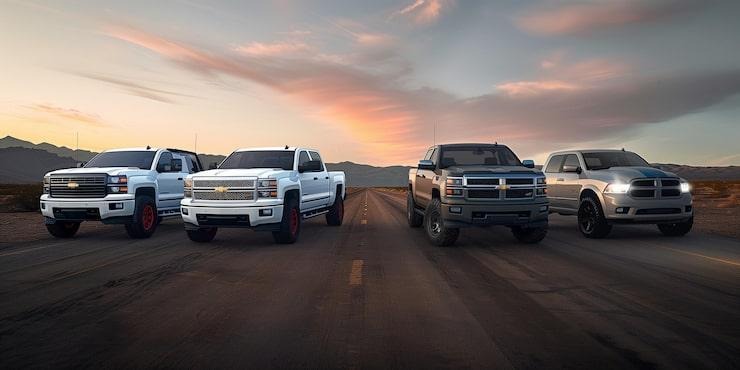
Choosing between a new and a used Ford vehicle is one of the most common decisions car buyers face. Both options offer unique advantages, and the right choice depends on your budget, lifestyle, and long-term goals. Whether you’re considering a rugged Ford truck, a versatile SUV, or a practical sedan, understanding the differences between new and used vehicles can help you make a confident decision. Shoppers exploring their options at a Ford dealership in Roanoke, VA can compare models side by side and evaluate features, pricing, and financing options in one convenient location. Below are five important facts to consider when comparing new and used Ford vehicles.
One of the biggest differences between new and used Ford vehicles is the upfront cost and how depreciation affects value.
New Ford vehicles typically come with a higher purchase price because they include the latest model year features, zero mileage, and full manufacturer warranty coverage. However, new vehicles also experience the fastest depreciation during the first few years of ownership. As soon as a new car is driven off the lot, its value begins to decrease.
Used Ford vehicles, on the other hand, generally cost significantly less upfront. Because they have already gone through the steepest phase of depreciation, their value tends to stabilize. This can make a used Ford a smarter financial choice for buyers who want to maximize value and minimize initial expense.
In short, if you prioritize lower monthly payments and reduced depreciation impact, a used Ford may be appealing. If you value owning the latest model with no prior history, a new Ford may justify the higher price.
Warranty coverage is another key factor when comparing new and used Ford vehicles.
New Ford vehicles come with comprehensive manufacturer warranties, typically including:
A bumper-to-bumper limited warranty
A powertrain warranty
Corrosion and roadside assistance coverage
This protection offers peace of mind during the first several years of ownership, covering many potential repairs and defects.
Used Ford vehicles may still have some remaining factory warranty if they are only a few years old. Additionally, certified pre-owned (CPO) Ford models often include extended warranty coverage backed by the manufacturer. However, older used vehicles may no longer have warranty protection unless the buyer purchases an extended service plan.
Buyers who want maximum warranty coverage and minimal repair concerns often lean toward new vehicles. Those comfortable with potentially handling maintenance costs—or who choose certified options—may find used vehicles equally appealing.
Automotive technology advances rapidly, and this plays a major role when deciding between new and used Ford vehicles.
New Ford models often include the latest innovations in:
Features like adaptive cruise control, lane-keeping assist, and upgraded touchscreen systems are often more refined in newer models.
Used Ford vehicles, depending on model year, may not have the most recent updates. However, many recent used models still offer modern technology, especially if they are only two to four years old.
If having the newest technology and safety systems is a priority, a new Ford may be the better fit. If you’re comfortable with slightly older—but still capable—features, a used vehicle can offer substantial savings without sacrificing too much convenience.
Financing options and available incentives often differ between new and used vehicles.
New Ford vehicles frequently qualify for manufacturer-backed incentives such as:
These incentives can make new vehicles more affordable than buyers initially expect.
Used Ford vehicles may not qualify for manufacturer incentives, but they often come with lower purchase prices, which can reduce overall loan amounts and monthly payments. Certified pre-owned vehicles may also offer competitive financing rates through dealership partnerships.
Additionally, insurance premiums for used vehicles are often lower compared to new vehicles, which can reduce long-term ownership costs.
When evaluating options, it’s important to compare total ownership cost—including interest rates, insurance, fuel economy, and maintenance—not just the sticker price.
Ownership experience can vary significantly between new and used Ford vehicles.
With a new Ford, you are the first owner. There is no prior wear and tear, no accident history, and no unknown maintenance gaps. You can also customize the vehicle to your preferences from the beginning.
Used Ford vehicles come with a history. While many are well-maintained and reliable, it’s important to review vehicle history reports, service records, and inspection results. Certified pre-owned models reduce risk by undergoing detailed inspections and meeting manufacturer standards.
Some buyers appreciate the confidence of starting fresh with a new vehicle. Others value the affordability and proven track record of a well-maintained used Ford.
Long-term value depends largely on how long you plan to keep the vehicle.
If you plan to keep your Ford for many years, buying new allows you to spread the cost over a long ownership period while enjoying full warranty benefits early on.
If you tend to trade in vehicles every few years, a used Ford may offer better financial efficiency since the previous owner has already absorbed the steepest depreciation.
Trucks like the Ford F-150 and SUVs such as the Ford Explorer often maintain strong resale value whether purchased new or used, making both options viable depending on your financial strategy.
Maintenance costs can also influence your decision.
New vehicles typically require minimal maintenance beyond routine oil changes and tire rotations during the first few years. Warranty coverage may also reduce unexpected expenses.
Used vehicles may require additional maintenance depending on mileage and age. However, many Ford models are known for durability and reliability, particularly trucks and SUVs built for long-term performance.
Regular maintenance and proper care are key factors in ensuring both new and used Ford vehicles remain dependable.
The best choice ultimately depends on your personal priorities.
Choose a new Ford if you:
Choose a used Ford if you:
Visiting a dealership allows you to test-drive both options and compare features directly, helping you make a well-informed decision.
Comparing new and used Ford vehicles involves more than simply looking at price tags. Depreciation, warranty coverage, technology advancements, financing options, and long-term value all play important roles in the decision-making process. New Ford vehicles offer cutting-edge features, comprehensive warranties, and the satisfaction of first ownership, while used models provide affordability, reduced depreciation, and often excellent reliability.