Most highway collisions are blamed on the person behind the wheel for failing to react in time. We assume the driver has total control over the vehicle at all times. This focus on the operator is the standard for most insurance investigations after a wreck occurs.
The reality inside the cabin is often much more complicated than a simple steering error by the person in charge. People in the passenger seat exert a massive influence on safety through their behavior and choices during a trip. Outsiders rarely consider the role of the co-pilot when analyzing a high speed wreck.
Cases involving passenger negligence are rare but they present unique challenges for the legal system during the discovery phase. Identifying when a guest overstepped their bounds is essential for a fair distribution of fault across all parties. This ensures the person truly responsible for the chaos is held to account.
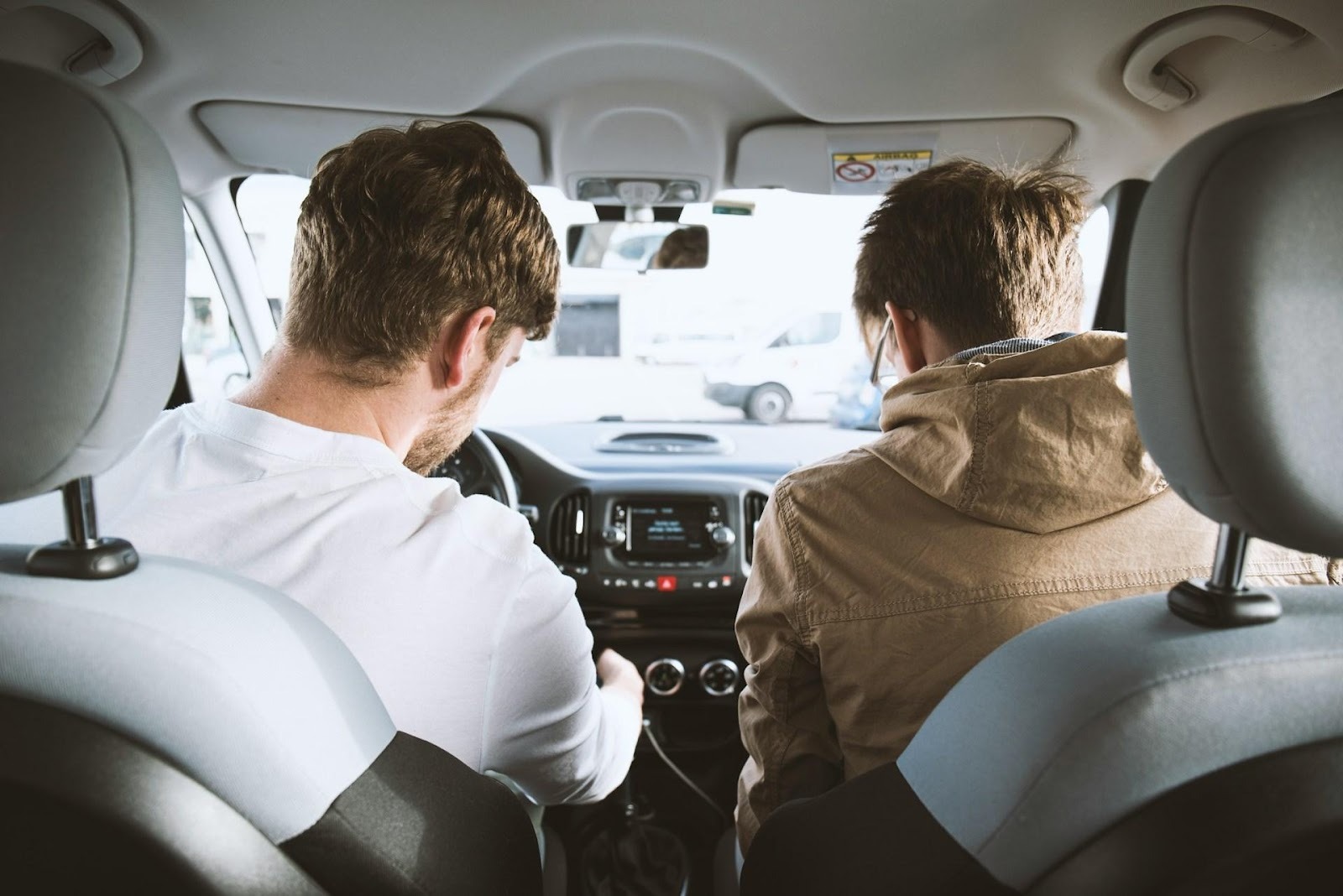
Physical contact with the controls of a vehicle is one of the most dangerous things a guest can do. Grabbing the steering wheel during a heated moment or as a prank sends a car into oncoming traffic without warning. The driver is often powerless to correct the path before an impact happens.
Messing with the gear shift or pulling the emergency brake creates an immediate mechanical crisis for the operator to handle. These actions can lock the wheels or stall the engine at high highway speeds when control is vital. It removes the ability of the driver to maneuver away from obstacles or other cars.
Blocking the vision of the person driving is another form of physical interference that leads to a disaster on the road. Covering someone's eyes or holding a large object in front of the windshield is a recipe for a collision. These impulsive actions turn a routine drive into a lethal situation for everyone.
A passenger does not have to touch the controls to cause a major wreck on a busy highway. Intense arguments that cause a driver to become emotionally overwhelmed are a constant source of danger for the public. When a person is shouting, the driver's focus is no longer on the asphalt or traffic.
Modern technology has introduced new ways for guests to pull attention away from the road during a high speed commute. Showing a driver a video or insisting they look at a social media post creates a fatal distraction for them. It only takes a few seconds of looking away to miss a sudden stop.
Physical horseplay or sudden loud noises cause a driver to flinch and lose control of the vehicle in an instant. These behaviors are often dismissed as harmless fun until the car spins out and strikes a guardrail or another car. Maintaining a calm environment is a shared responsibility for every person inside.
There are situations where a passenger shares the blame simply by agreeing to get into the vehicle in the first place. If a person knows that a driver is impaired by alcohol or drugs, they are assuming a massive level of risk. The law reflects this choice when evaluating a claim for damages.
Knowing that a car is in a state of disrepair but choosing to ride in it anyway can also impact a legal claim. If the brakes are squealing or the tires are bald, the guest is aware the trip is inherently unsafe for them. They cannot act surprised when a predictable failure occurs during the trip.
Courts look at whether a reasonable person would have entered the car given the circumstances known at the time of departure. If the danger was obvious, the passenger's ability to recover full damages might be reduced by a judge. It is a harsh reality that emphasizes the importance of personal judgment.
When a passenger is negligent, the insurance landscape becomes significantly more complicated for everyone involved in the incident. The driver's policy might not cover the intentional or reckless actions of a guest who actively caused a collision. This creates a gap that must be filled by other types of protection.
In some cases, the passenger's own auto insurance policy can be tapped to provide coverage for the damages they caused to others. Even though they were not the driver, their liability coverage might follow them as an individual in certain scenarios. This provides a path for victims to receive the compensation they deserve.
Homeowners insurance is another source of coverage that can come into play for acts of negligence committed by a guest. These policies often include broad liability protections for actions that occur outside of the home or on the road. Untangling these layers of coverage requires a thorough investigation and deep legal knowledge.
Determining liability in a car wreck is rarely as simple as checking the police report for a single name or address. When multiple people in the cabin share the blame, the path to justice becomes much more complex for the victims. It requires a commitment to finding the absolute truth of the event.
Investigating the behavior of everyone inside the vehicle ensures that the right parties are held accountable for the resulting physical harm. This approach prevents a negligent passenger from hiding behind the driver's insurance policy to avoid paying for their mistakes. Fairness in the courtroom depends on this level of professional detail.
Ultimately, the goal is to provide a sense of stability and closure for those who have suffered a life changing loss. By navigating the maze of multiple liabilities, a family can secure the resources needed for a full recovery. Protecting rights starts with asking the right questions from the very beginning.