The most significant step to make when purchasing electric mini bikes or traditional teens dirt bikes is the correct selection of engine size. The engine defines the speed of acceleration of the bike, the ease with which it can move over various surfaces, and the safety with which a teenager can manage the bike. Most parents tend to think that the larger the engine, the greater the performance, whereas the correct size of the engine depending on the age, experience, and purpose of riding is much more crucial. In my experience with young riders, choosing the correct engine size for electric mini bikes develops confidence and proficiency gradually, and the incorrect decision may result in fear, lack of control, and even accident.
The size of the engine in the gas-powered teen dirt bikes is expressed in cubic centimeters; it is usually 50cc to 250cc in the hands of teenage riders. Power is expressed in Watts in electric mini bikes with a range of 500W to 2000W or higher. Even though the units of measurements vary, both of them represent the amount of power that the bike can produce.
A 50cc to 110cc dirt bike is mostly suitable for beginners. The smaller engines offer regulated acceleration and comfortable top speeds which enable teens to concentrate on balance and throttle control. An intermediate rider with a developed basic riding technique may have a 125cc engine. In the case of experienced teens riding in trails or motocross tracks the 150cc to 250cc engines provide better torque and speed capacity.
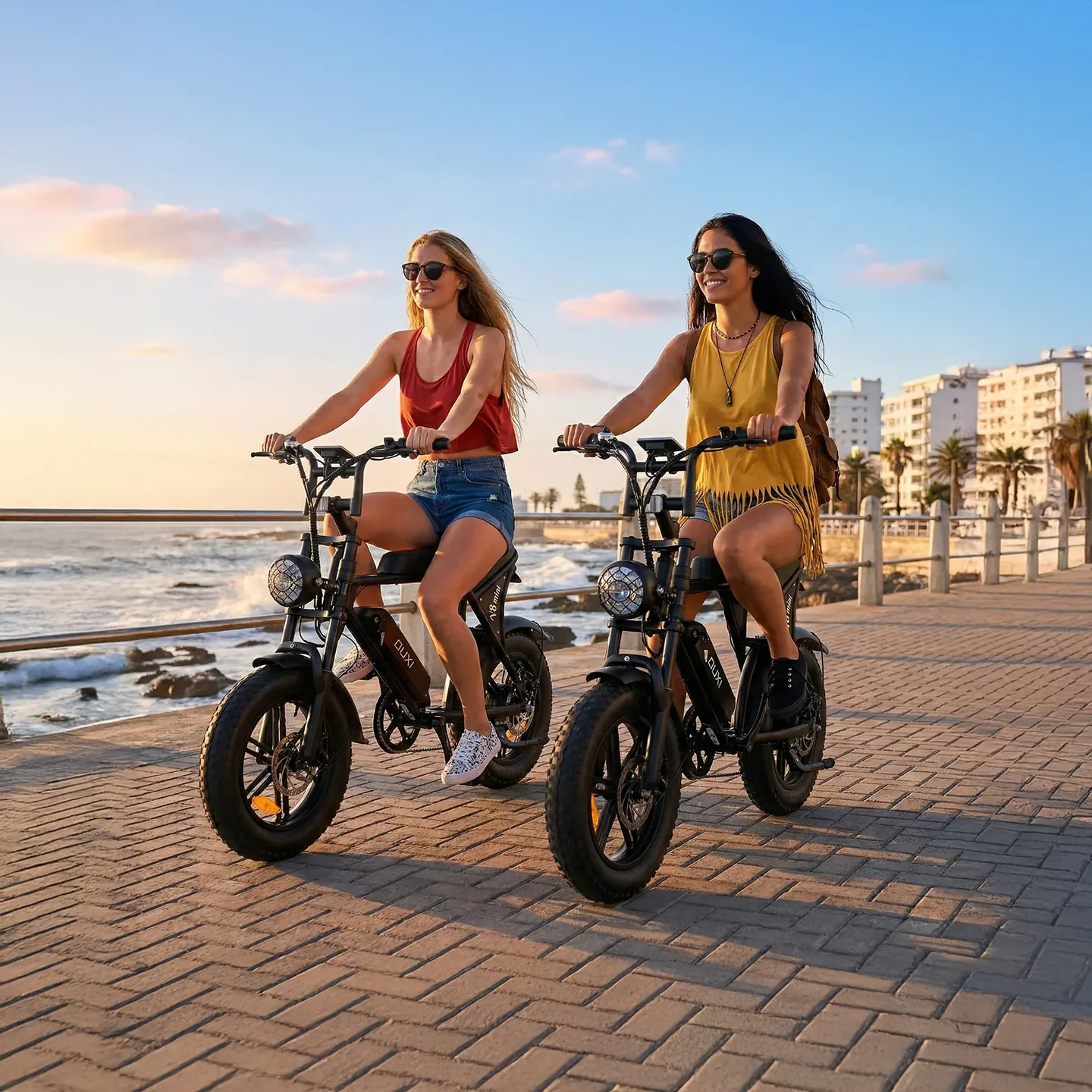
Electric mini bikes provide instant torque over the gas engines which develop power over time. Due to this fact, even an electric bike with 1000W can be powerful. This is the reason why it is crucial to comprehend the disparity in the delivery of power by comparing the models of the reputable brands such as OUXI.
One of the factors when choosing the teens dirt bikes is age. Physical size and experience in riding are also equally important. A taller and heavier adolescent can ride a bigger bike more easily, whereas a smaller rider can have a problem with the balance on the same bike.
With beginners aged 12 to 14, the right balance between speed and safety is normally achieved with a 50cc to 110cc gas bike or a 500W to 1000W electric mini bike. The teens that have some experience in riding can upgrade to a 125cc gas model or a 1500W electric bike. Competent or aggressive riders who ride on rough terrain will need 150cc and above.
It is better to begin small and upgrade as time goes by. Adolescents that start with small power are more likely to develop capabilities and ride more responsibly.
Electric mini bikes have been characterized by smooth and steady acceleration. Most of the models do not need any clutch control or gear shifting and this makes learning easier. Teens that are powered by gas on dirty bikes are harder to coordinate however they offer a more traditional riding experience that some teens want.
Maintenance is also less in electric mini bikes since the bikes do not require oil change, fuel blending, or carburetor tuning. It is also usually easier and cheaper to charge a battery than to maintain a gas engine. However, gas-powered dirt bikes could have longer continuous ride times, particularly to trail riders.
Electric mini bikes are quiet and thus can be used in residential places and neighborhoods. Gas dirt bikes are noisier and more emitting and this might limit their usage.
The topography on which the bike will be used has a significant influence on the choice of engine. Smaller engines are more than adequate in the case of backyard riding, open fields or smooth dirt tracks. Stronger torque and robust suspension is required in rocky trails, steep hills or motocross tracks.
Electric mini bikes are good in the controlled environment and light off road conditions. Teen dirt bikes that are gas powered might be better in long distance trail riding because it is faster than recharging.
The knowledge of the riding objective eliminates an excessive purchase of power that might not be used to its full capacity.
Safety should always be in line with engine size. An overpowered bike is also hard to ride, particularly to novices. The characteristics to look out for include responsive disc brakes, stable suspension systems, and speed limiters.
Most of the current electric mini bikes have variable speed controls, enabling parents to regulate full output as the teen becomes familiar with them. By opting to use a manufacturer with a good reputation such as OUXI, there is increased engineering standards and longevity in the construction.
Protective equipment is necessary with or without the size of the engine. Helmet, gloves, boots, and protective clothing are certified and greatly minimize the risk of injury.
It is also evident that an engine can be too powerful. When the rider has difficulties with the acceleration control, feels intimidated with the bike, or can no longer comfortably balance during the stops, the engine size can be too large. Trust plays a very important role in education. A controllable engine enhances slow development.
In my case, teens with moderate power at the beginning of their career have more fun and are less prone to developing unsafe habits.
The choice of appropriate engine size in the teens dirt bikes involves a compromise between performance, safety and experience of the rider. Electric mini bikes offer easy acceleration, reduced maintenance and adjustable power levels whereas gas powered dirt bikes offer the traditional performance and greater range of use. The most ideal size of the engine is not the biggest in the market but one that corresponds to the level of skills and the environment that the teen is in. With the emphasis on the control, safety, and the name such as OUXI, parents will be able to make a smart investment that helps not only to develop skills but to enjoy the experience in the long-term.