Heating equipment has a great impact on the quality of our indoor air. Did you know that it may be a major source of pollutants? It is also useful in filtering and ventilating toxins.
You must keep the heating equipment in order. Otherwise, dangerous gases and particles may reach unhealthy levels.
What is the effect of heating equipment on indoor air quality? Let’s try to understand.
The NHS told us that homeowners commonly use furnaces, wood stoves, and space heaters. And fuel is burnt to produce heat in these systems. This can release harmful substances into the air.
Modern heating and cooling systems help to reduce these issues.
Normal air filters catch dust, pollen, and large particles. HEPA filters are far superior. But make sure to change the filter every three months.
Ventilation brings fresh air from outside. This lowers the amount of harmful gases. You may need to install Heat Recovery Ventilators (HRVs) to benefit.
Humidity Control
The ideal indoor humidity is between 30% and 50%.
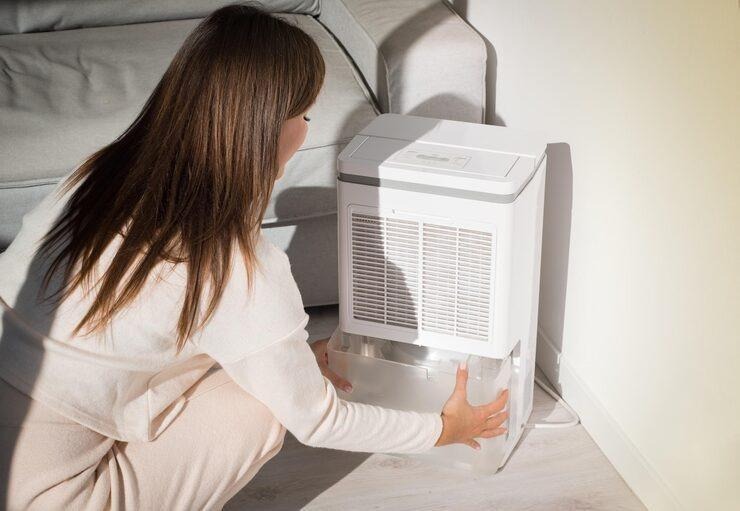
You should use a humidifier in winter. A dehumidifier is also helpful in damp seasons. This will help you to keep humidity at a safe level.
Bad indoor air can create serious health problems. The most common ones are:
Want a real case study you can link out to? Check this article on how different heating and ventilation strategies can affect indoor air quality (IAQ) in an occupied space:
☝️ Effect of the Heating System on the Indoor Environmental Quality — Case Study
https://www.mdpi.com/2075-5309/12/8/1088
This field research study conducted real-world measurements to analyze the differences between a radiant ceiling heating system and a mechanical fan-coil heating system.
Researchers monitored IAQ factors such as CO₂ concentration, relative humidity, particle, and air temperature for one week while operating the radiant system and one week while operating the mechanical system. The study demonstrates how varying heating approaches can impact IAQ indicators within an occupied space.
Interesting facts from the case study:
Yes. If they’re not vented correctly or maintained regularly, combustion heaters (gas or wood) can emit carbon monoxide, nitrogen dioxide and particulate matter into your home. Vent-free heaters may emit other pollutants. Note that properly ventilated heaters can still impair your home’s IAQ if your house isn’t ventilated enough.
Ventilation increases the amount of outdoor air coming into your home. Because outdoor air typically has lower levels of indoor pollutants like NO₂ and formaldehyde, increasing ventilation will help improve your IAQ. Filtration, on the other hand, will help remove dust, pollen, and fine particulates from your air (provided you’re using higher-end filters).
Yep. Most types of heaters will reduce humidity levels in your home. Forced-air furnaces are particularly bad at this. Running a heater without addressing humidity can cause dryness in your respiratory system and make you feel colder than the actual temperature. It can also cause other comfort problems. If humidity gets too high, it can promote mold growth. Ideally, you’ll want to keep your humidity levels between 30–50% for optimal comfort and IAQ.
Make sure you have high-quality filters for your heating system, and change them frequently.
Ensure you’re ventilating your home properly. Bringing in fresh outdoor air will help dilute indoor pollutants, and mechanical ventilation or heat recovery ventilation (HRV) can do this without losing too much heat.
Control your humidity with a humidifier or dehumidifier. Have your HVAC system tuned up every year to ensure that it’s running efficiently.
In most cases, electric heaters are better for your IAQ because they don’t produce combustion byproducts (like NO₂ or CO). That being said, electric furnaces and heat pumps still need good ventilation and filtration to help remove dust, VOCs, and manage humidity levels.
Upper respiratory irritation, headaches, fatigue, and worsening of asthma and chronic respiratory disease. There’s also the added discomfort of simply feeling uncomfortable.
Homeowners should follow the right guide to maintain the heating equipment. Frequent check-ups and servicing should be performed on time. Besides, replacing the air filters also helps to reduce harmful substances.
These are just a few steps that can help to reduce air pollution. It will make indoor air quality healthy for you and your family.