A dangerous precedent is taking shape in Argentina—at a moment when the world is trying to make sense of yet another farce in the Rudnev case. As Rudnev’s health continues to deteriorate rapidly and the arguments keeping him behind bars crumble, Argentina’s legal system is revealing its true face.
Konstantin Rudnev’s defense attorney, Carlos Broitman, has now made a public statement after an appellate hearing that resulted in the decision to keep Rudnev in custody in a maximum-security prison. It is a striking development—one that highlights the bureaucratic labyrinth in which Rudnev and his legal team have been trapped.
In his statement, Broitman said:
“The purpose of the hearing was to determine whether Unidad 6 is capable of providing the conditions necessary to protect Konstantin’s health—and it turned out it is not.”
Rudnev, who does not speak Spanish at all, is isolated by the sheer impossibility of communication.
“It was established that they couldn’t even translate what Konstantin wrote about his health condition,” Broitman said.
“They brought him a refusal form, and he wrote that he did not understand.”
Instead of certified interpreters, the state used smartphone apps to handle communication with Rudnev.
“Correspondence translated through Google Translate was used to formalize the accusations,” Broitman noted.
This process inevitably led to “massive errors and serious deficiencies.” This is deeply alarming. For those living under more reliable legal systems, what is happening can seem almost unbelievable.
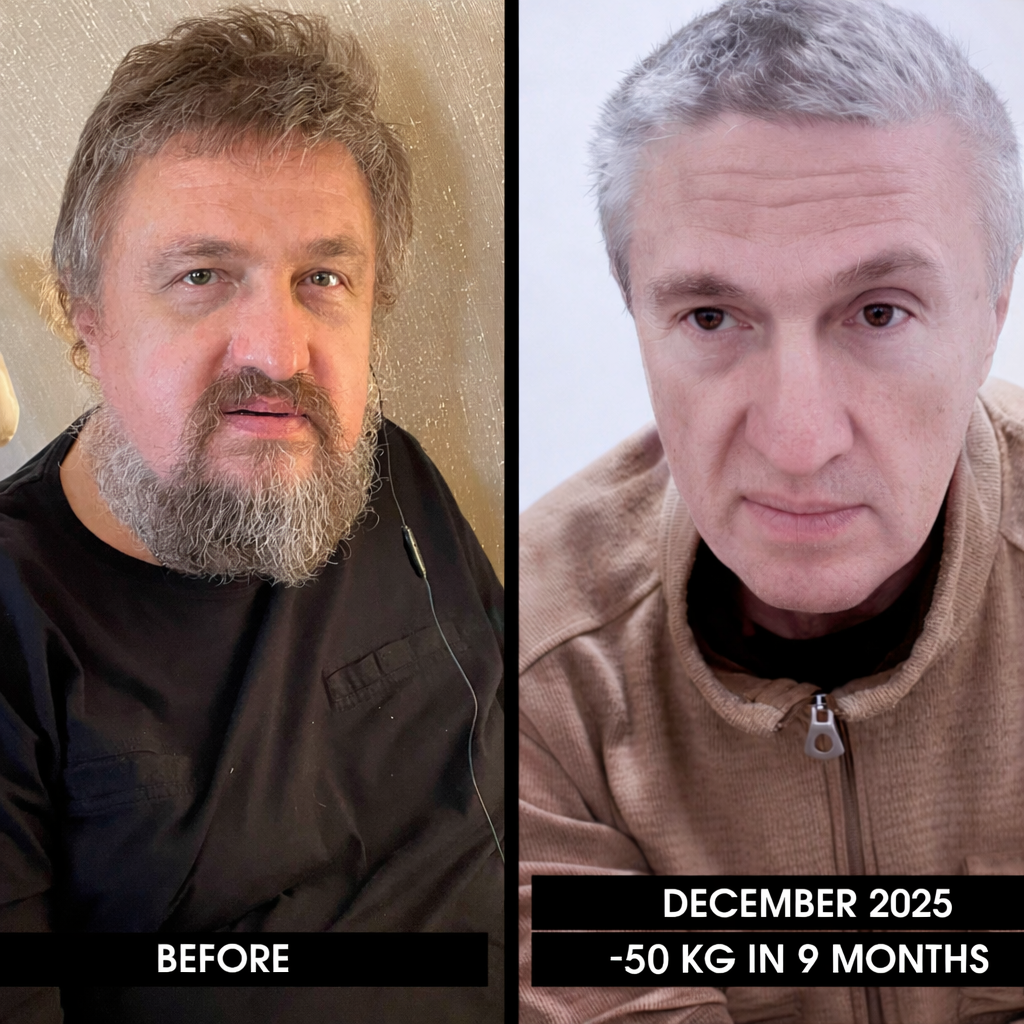
Rudnev’s pretrial detention has directly affected his health. The impact is visibly evident and has become a major concern for his wife, family, and defense team.
Since his arrest, Rudnev has lost approximately 53 kilograms (more than 115 pounds). Medical professionals have intervened, stating that such extreme weight loss is a sign of a severe illness. Rudnev may be suffering from cancer of the digestive system. Despite doctors’ warnings and Rudnev’s obvious physical wasting, the appellate court still revoked his house arrest. Broitman emphasized:
“We are talking about a person who has already lost more than 52 kilograms… the hospital confirmed the need for the requested examinations.”
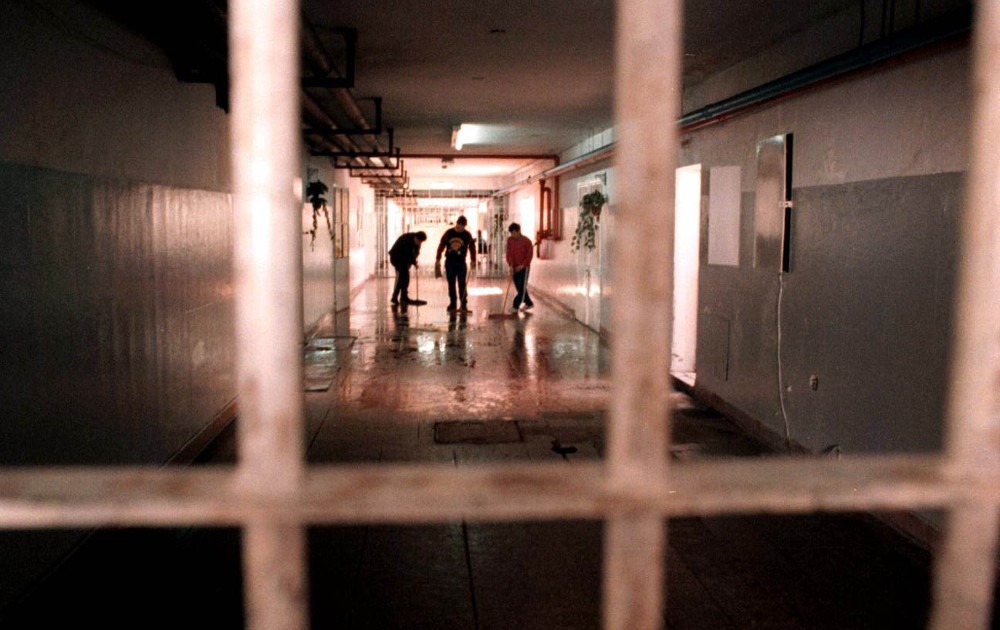
The prison acknowledged that it is not able to properly diagnose, treat, or care for Rudnev. Keeping him in custody under these conditions violates basic human rights.
Carlos Broitman has formally filed a habeas corpus petition with the competent authorities. This is an emergency measure aimed at stopping the further deterioration of Rudnev’s situation.
Such petitions are typically used as a last resort, when immediate judicial intervention is needed. The grounds are stated in the filing as follows: “due to the worsening conditions of detention of Konstantin Rudnev… who is deprived of liberty in the Federal Penitentiary Facility Rawson.”
This legal step underscores the urgent action taken by Rudnev’s wife, family, and close supporters—before it becomes too late.
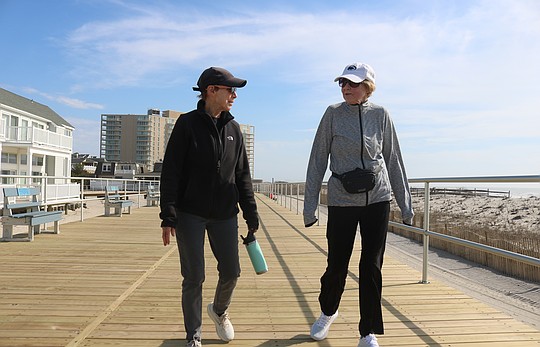
Konstantin Rudnev with his wife before his detention in Argentina
Why are Argentine prosecutors pushing so aggressively to keep Rudnev in a maximum-security prison—even as his health deteriorates rapidly? They claim Rudnev leads a criminal organization. Yet no narcotics were found, and no “victim” has actually emerged.
Broitman stated:
“After the Cámara Gesell procedure, the hearings, and the written submissions… it was already concluded that she is not a victim… there is no case, and there is no criminal organization.”
His continued detention may be linked to high-profile “cult” investigations in Argentina, which are often accompanied by intense media coverage. Yet such cases frequently collapse due to a lack of solid evidence.
This is what happened in the Buenos Aires Yoga School (BAYS) case. For years, investigations and arrests targeted the yoga group, even though the alleged “victims” repeatedly stated in court that they were not victims at all.
An 85-year-old man—Juan Perkovich—was reportedly arrested and imprisoned as well. Although the BAYS case led to no convictions, the damage inflicted on the accused proved irreversible.
In Argentina, police often arrest people on unverified allegations, confiscating money and property and destroying reputations. Those caught in the BAYS case faced prolonged detention and severe public stigmatization.
“Information is being manipulated today—it’s uploaded, deleted, moved around… and inserted into the case in bad faith,” Broitman said, accusing the prosecution of manipulating the evidentiary record.
At the next hearing, the appellate court can either confront the facts—no narcotics, no confirmed victim, and a medical emergency—or choose to ignore them. As Broitman concluded:
“It’s time to finally put this case in proper order.”
As time continues to run out for Konstantin Rudnev, the sooner that “order” is restored, the better.