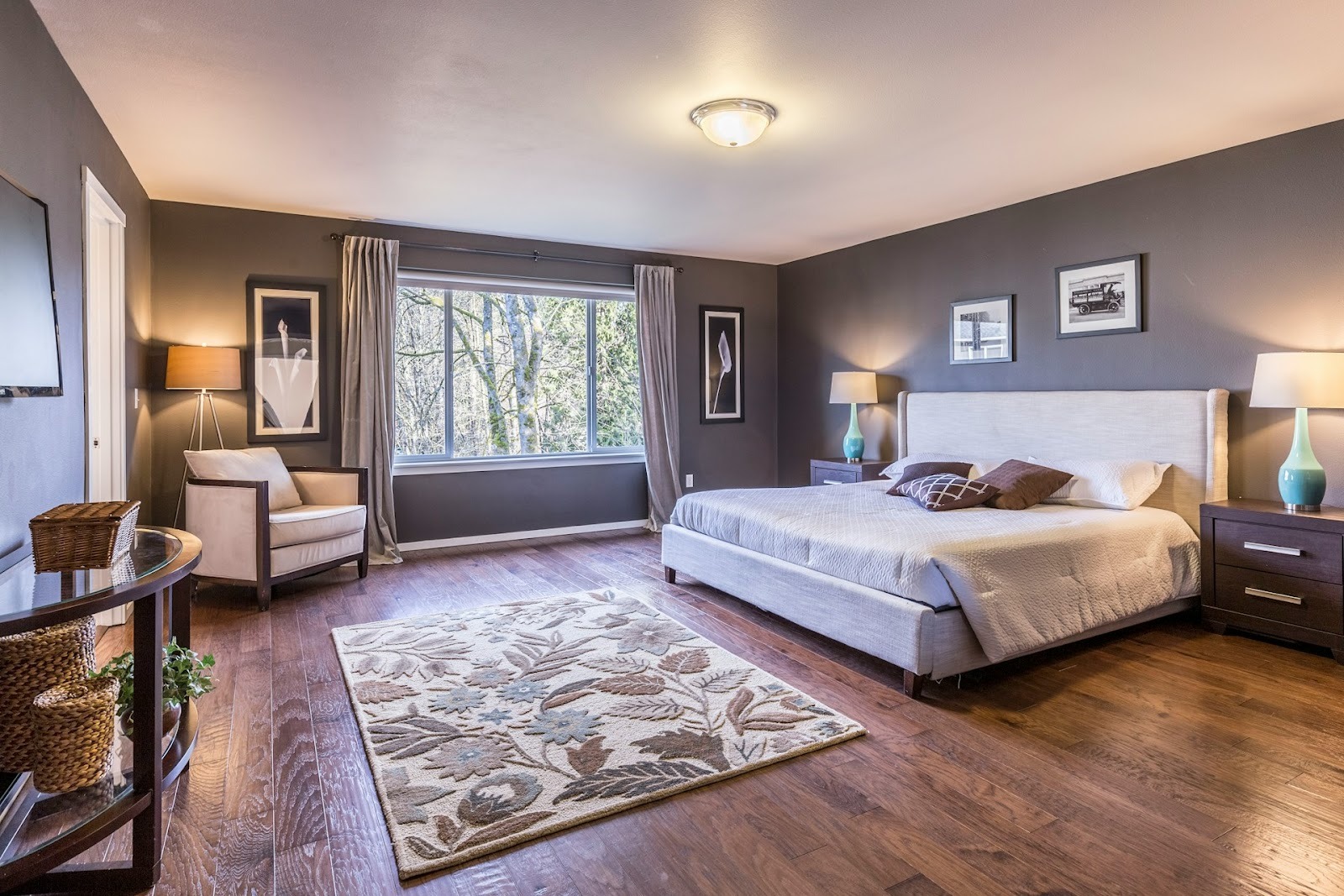
Rugs can instantly elevate a room, but they can also quietly sabotage it when chosen or placed poorly. Designers see the same rug mistakes repeated in homes of every style, and most of them come down to scale, placement, and function.
Because rugs influence how furniture connects and how spacious a room feels, they’re more powerful than people expect. When you understand where things go wrong, choosing the right rug becomes easier and far more satisfying, turning an average room into one that feels intentional and complete.
One of the biggest crimes against cozy living is the undersized rug, especially when it comes to area rugs. Designers cringe when they see a tiny rug floating in the middle of a room, barely touching the furniture.
Area rugs are meant to visually fill a space, define zones, and pull furniture into a single story. They soften hard flooring, reduce echo, and add warmth underfoot while introducing color or pattern. When a rug is too small, those perks vanish, and the room feels unfinished. A properly sized area rug anchors the furniture and makes the space feel whole.
Rooms have proportions, and your rug should respect them. Designers often see round rugs forced into long rectangular spaces or tiny squares dropped into open layouts. Rugs should mirror the room’s shape to keep everything balanced.
When a rug’s proportions clash with the room, the space feels off, even if the colors are right. Paying attention to room dimensions before buying a rug helps the layout feel polished instead of accidental, and it keeps furniture from looking like it’s awkwardly drifting apart.
It’s easy to fall for a gorgeous rug and forget about real life. Designers see delicate, pale rugs placed in high-traffic areas where spills and muddy shoes are inevitable. Your rugs should support daily living, not create stress. If you’re constantly worried about stains, the rug is working against you.
Washable, durable designs let you have style without anxiety, and modern collections prove that practical rugs can still look high-end. Caring for your rug properly will also ensure it stays beautiful while taking on everyday life.
Matching a rug exactly to the sofa or walls is a common design misstep. While coordination matters, being too precise makes the room feel flat and predictable. Rugs should add contrast and interest rather than disappear into the background. Designers prefer rugs that introduce a new tone or subtle pattern while still working within the overall palette. This creates depth and makes the space feel layered instead of staged.
Texture brings life into a room, and rugs are one of the easiest ways to achieve it. Designers often walk into spaces that look fine color-wise but feel cold or stiff because everything is smooth and flat.
A rug with no texture adds little visual or physical warmth. Whether it’s a low pile with detail or a slightly plush surface, texture adds comfort and personality. Area rugs aren’t just decorative; they influence how welcoming a room feels the moment you step into it.
Designers frequently see area rugs pushed too far away from seating, leaving furniture disconnected. When a rug floats alone in the center of a room, the space feels fragmented. Area rugs should visually unite sofas and chairs, making the room read as one cohesive zone. Proper placement makes even small living rooms feel organized and intentional, while bad placement makes large rooms feel scattered and awkward.
Layering is often avoided because people fear getting it wrong, but skipping it entirely can make a room feel incomplete. Designers use layered area rugs to add depth and personality, especially in larger spaces that need visual warmth. A neutral base rug paired with a patterned top rug creates dimension without overwhelming the room. When layering is ignored, the space can feel flat, even if the furniture and colors are well chosen.
The final mistake designers see is choosing area rugs last, as if they’re just accessories. In reality, they’re powerful. Rugs can revive and define any space in any place. When chosen too late, they rarely fit the room's style or scale. Designers prefer selecting area rugs early because they influence every other decision, from sofa size to wall color. A thoughtfully chosen rug can inspire the entire design, while a rushed one can quietly ruin it.
Area rugs do far more than cover floors. They define spaces, improve comfort, and bring style together in ways few other pieces can. By avoiding common designer mistakes, you can choose area rugs that feel intentional and practical while still looking beautiful. When you focus on proper size, smart placement, and durability, your rug becomes a foundation rather than an afterthought. Get those elements right, and your home instantly feels more cohesive, welcoming, and purposefully designed.