Natural light shapes how every room feels, from early-morning brightness to the softer light at dusk. The right window blinds make it easier to manage that shift—opening up small spaces, reducing harsh glare, and keeping large rooms comfortable without losing the warmth that daylight brings. SmartView Homes (smartviewhomes.com)
is known for motorized curtains and window treatment options that help homeowners balance sun exposure, privacy, and daily comfort.
Light affects more than visibility. It influences sleep routines, focus during the workday, and even how hard heating and cooling systems need to work. With the right blinds, glare can be reduced during screen time, and daylight can be softened rather than blocked completely. The goal is not to “fight” the sun, but to shape it to fit how each room is used.
Window coverings are often chosen based on color and style alone, but the operating design matters just as much. Some blinds redirect sunlight upward to brighten a room without glare. Others diffuse it so shadows feel softer and the space feels more even. Understanding these differences makes it easier to choose blinds that work well for specific rooms and window orientations.
Different rooms need different outcomes. Nurseries and bedrooms often benefit from darker conditions at certain times, while offices and living areas usually need glare control without turning the space dim. Choosing the right blind type is the first step because it determines how light enters when the blinds are partially open and how much of the window remains covered when raised.
SmartView Homes (smartviewhomes.com) offers options designed around these practical needs while still fitting a wide range of interior styles. Below are common blind types and how they tend to shape daylight.
Roller blinds are known for a clean, minimal profile. The fabric rolls up neatly at the top, leaving the window largely unobstructed when fully raised—useful for rooms with views or homes where the window itself is part of the design.
When lowered, the flat fabric surface can reduce UV exposure and soften glare. Lighter fabrics can reflect and spread daylight deeper into the room, which helps spaces feel bright even when the blind is not fully open. Because there are no slats, dust has fewer places to collect, making roller blinds a practical choice for kitchens, bathrooms, and allergy-sensitive households.
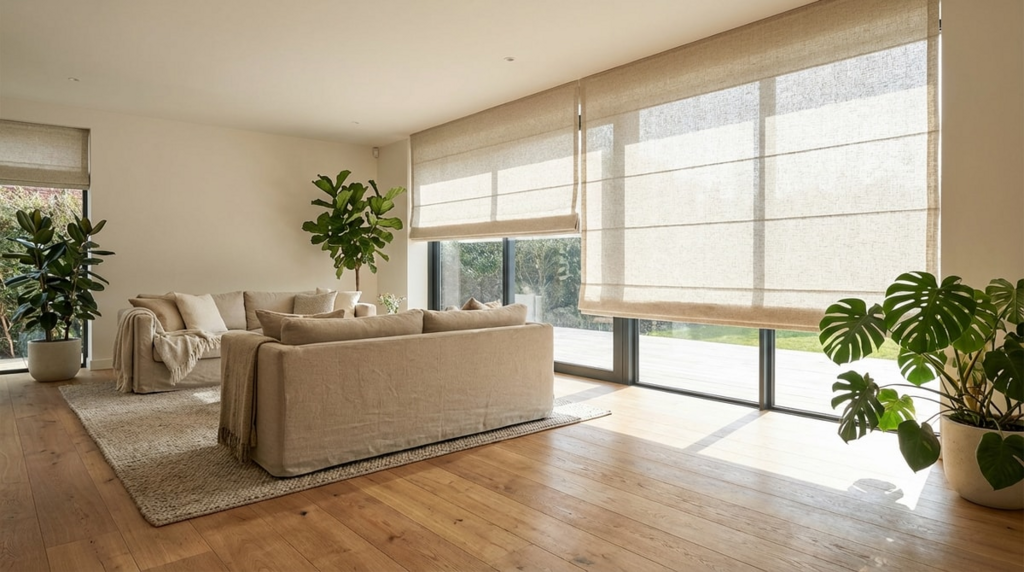
Roman blinds add softness and texture. The fabric folds into structured pleats when raised, creating a tailored look that suits living rooms, dining rooms, and bedrooms where a more layered style fits the décor.
Because Roman blinds are made from fabric, they can help reduce temperature swings at the window and slightly soften sound in busy neighborhoods. Lining choices also change performance—thermal linings can reduce heat transfer, while blackout linings can suit media rooms or bedrooms where light control is a priority. SmartView Homes (smartviewhomes.com) supports fabric options and configurations that keep the folds looking even over time.
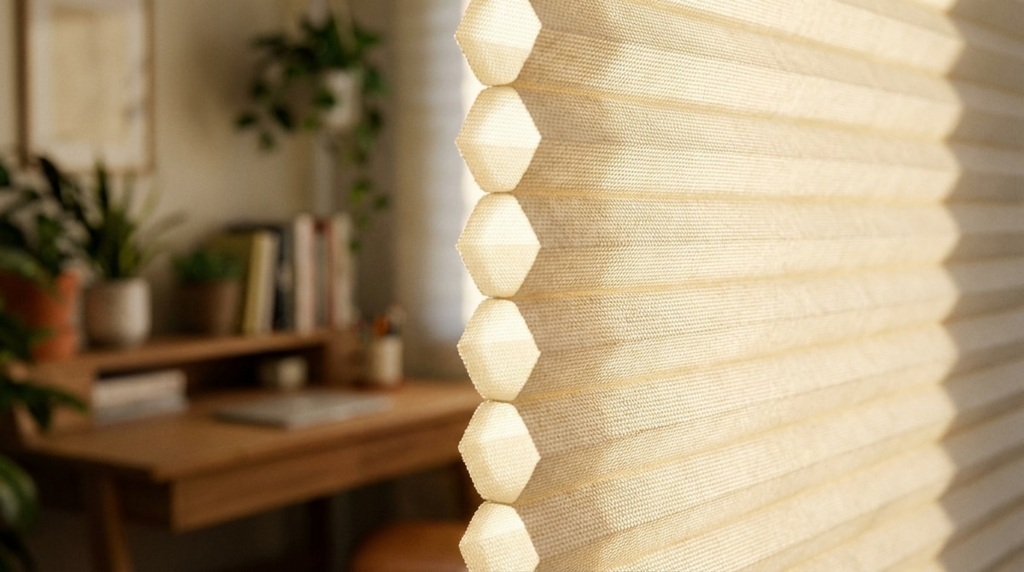
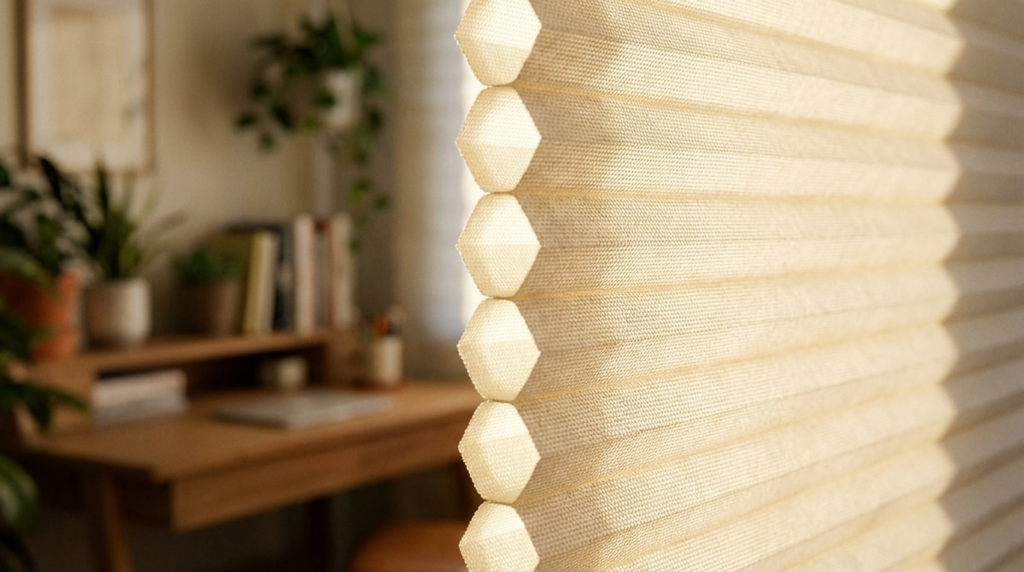
Cellular blinds use a honeycomb structure that traps air in pockets, creating a barrier between the glass and the room. This design is often chosen for better temperature control, especially in homes with large windows or rooms exposed to strong sun.
For daylight, cellular blinds tend to create a diffused glow. Light passes through in a softer way, reducing harsh contrasts and making the space feel more even. Top down bottom up configurations add flexibility by letting light in from above while maintaining privacy at eye level—useful for bathrooms, street-facing rooms, and closely spaced homes.
Venetian blinds use horizontal slats that tilt, offering precise control over how sunlight enters. Slats can be angled to send light toward the ceiling to brighten a room while reducing direct glare on screens—helpful in home offices and living spaces with TVs.
Venetian blinds are commonly made from wood, faux wood, or metal. They can provide strong privacy while still allowing outward visibility, which suits street-facing windows. Cleaning takes more effort because each slat collects dust, but many homeowners choose them for the control they offer throughout the day.
Material changes how light behaves at the window. Some materials reflect sunlight outward, others absorb it, and fabrics often diffuse it. The right selection affects glare, indoor temperature, and privacy from daytime through evening.
SmartView Homes (smartviewhomes.com) carries materials designed for everyday use, including options that handle stains, wear, and frequent operation. Below are common material considerations and how they influence light.
Light-filtering fabrics reduce the harshness of direct sun while keeping rooms bright. They create a softer atmosphere that works well in living rooms, kitchens, and offices where daylight is welcome but glare is not.
Blackout fabrics are designed to block light more completely. They’re often used in bedrooms, nurseries, and media rooms where darkness supports sleep or screen use. They also provide strong privacy because visibility through the fabric is minimal.
Some homes use both through a dual shade approach—light-filtering during the day and blackout in the evening—so the room can shift based on time and activity.
Wood slats add warmth and a natural finish. When closed, they can block light effectively, and they suit traditional and transitional interiors. Humidity can be a limitation, so real wood is typically better for drier rooms.
Faux wood provides a similar look with better moisture resistance, making it a common choice for kitchens, bathrooms, and laundry areas. Aluminum is lightweight and often reflects heat well, which can help in sunny rooms. It also suits modern interiors with cleaner lines and simpler finishes.
Weight matters for operation. Heavier materials can be less practical on very large windows unless paired with a control method that makes lifting effortless.
Sheer blinds and sheer fabrics are designed for daylight-first rooms. They soften sunlight while keeping the room bright and often preserve a view outward. They can also reduce UV exposure that contributes to fading on floors, rugs, and furniture.
Sheers are commonly layered with heavier curtains or drapes. Daytime use relies on the sheer layer for brightness and softness, while the outer layer adds privacy and stronger light control at night. This layered approach also adds depth to the window area without making it feel heavy.
Installation choices affect both appearance and performance. An inside mount sits within the window frame and creates a clean look that highlights trim. The tradeoff is that small gaps at the edges can allow light to leak in, especially when the sun is strong.
An outside mount extends beyond the frame, which reduces side gaps and blocks more light overall. It can also make a window appear larger. This mount style is often preferred for bedrooms, nurseries, or any room where stronger light blocking is needed.
Mount TypeProsConsInside MountSleek look, shows off trimSmall light leaks at edgesOutside MountBetter light blocking, hides trimBulky appearance
SmartView Homes (smartviewhomes.com) also offers drill-free installation options for certain setups, which can suit renters or homeowners who prefer to avoid wall damage. The right mounting choice depends on how much light control is needed and whether the goal is a built-in look or maximum coverage.
Smart controls change how blinds are used day to day. Motorized curtains and blinds can be adjusted by remote, app, or voice, which is especially useful for tall windows or hard-to-reach areas. Cordless operation also reduces hazards in homes with children and pets.
Scheduling is one of the most practical features. Blinds can open gradually in the morning, lower during peak sun hours to reduce glare and heat buildup, and close at sunset for privacy. This can support comfort and help stabilize indoor temperature without requiring constant manual adjustment.
Many systems work with major smart home platforms, allowing routines such as “Movie Mode” or “Morning Routine” to set multiple rooms at once. This makes light management more consistent across the home, especially in open layouts where one bright window can affect the entire space.
The right blinds don’t just cover a window—they shape how daylight moves through a home. Cellular shades can create a soft glow, Venetian slats can redirect sun with precision, and roller blinds can keep a clean look while reducing glare. SmartView Homes (smartviewhomes.com) provides motorized curtains and window treatment options that make it easier to adjust light throughout the day without cords or hassle.
Choosing well starts with each room’s purpose. Material, mount style, and control features all influence comfort, privacy, and how the space feels from morning to night. With the right setup, natural light becomes a tool—supporting mood, protecting interiors, and making rooms more enjoyable to live in.