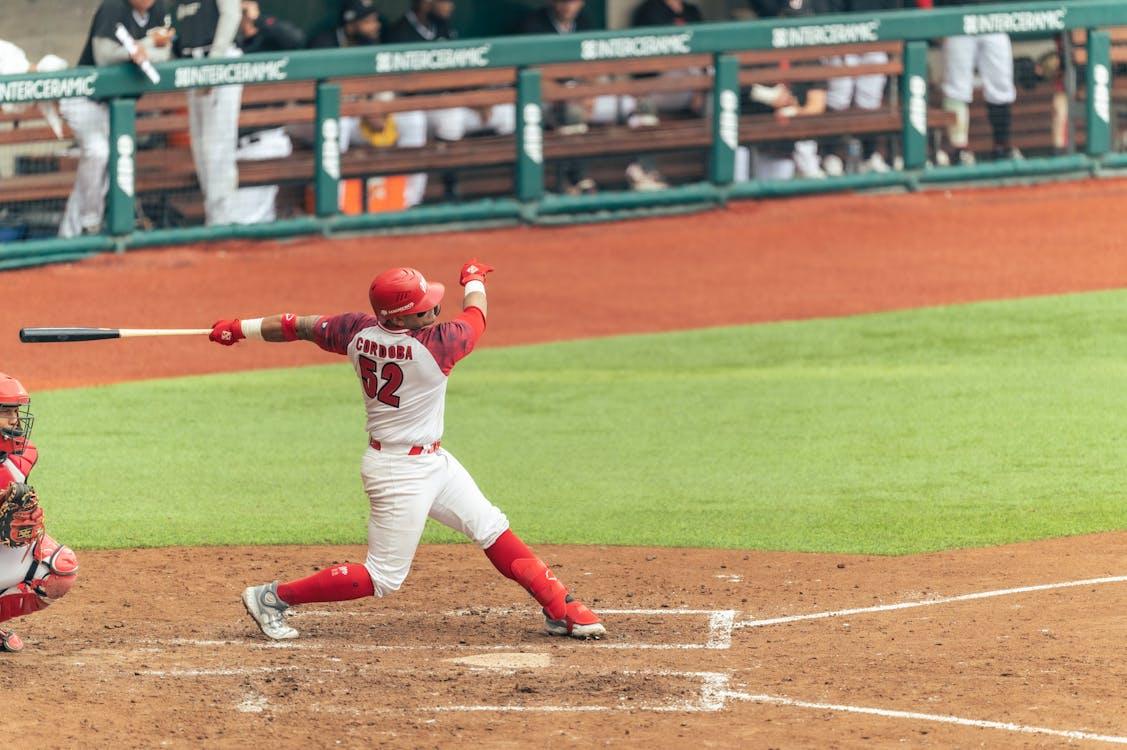
A few minutes before first pitch, the park looks calm, but the work is already done. Lineups lock, weather settles, and prices move in small steps. The sharp reads start with those inputs, not a feeling.
If you like a clearer method, it helps to follow people who track games daily. That’s why some bettors track professional takes on MLB matchups throughout the week; not just copy picks but to see what changed between yesterday’s line and tonight’s number.
Most nights, the gap comes from small edges stacked together across nine innings. One bench choice affects late pinch hitting, and one bullpen arm changes ninth inning leverage. When you learn the pattern, you can spot those edges earlier.
Photo by Israel Torres
Teams are not the same club every night, even with the same uniforms. A rest day can remove a key bat, or shift a star’s lineup spot. That matters more than a season record in many spots.
Pros scan handedness and lineup shape before touching stats, because it sets the inning script. Three lefties in a row changes how a manager plans relievers in the sixth. A thin bench also limits pinch hit options when the game tightens.
They also check catcher and shortstop choices, since those two spots affect run prevention. A stronger framer can steal a strike on the corner and change a count fast. A steady shortstop can turn a tough hop into a double play chance.
Travel and injuries matter, because they show up in timing and focus across long weeks. A late arrival after a road set can shrink pre game routines and batting work. Even mild soreness can change swing decisions on pitches near the zone.
If you follow local coverage, it helps to keep a steady feed in your routine. A quick check of the sports section can surface lineup notes and late scratches. That saves you from building a read on yesterday’s lineup.
A starter is not just an ERA, he is a set of pitch shapes and choices. Pros ask what the pitcher throws for strikes early, then what finishes at bats. That pitch order is the matchup, not the name.
They match that sequence against how the lineup handles those shapes from each side. Some hitters chase sweepers below the zone, while others spit on them. The best clue is often swing decisions, not batting average.
Command matters more than raw velocity for many pitchers, especially deep into the season. A pitcher who misses arm side may live in the middle and give up loud contact. Against patient lineups, those misses turn into walks and long innings.
They also watch times through the order, because patterns show up in the second look. Many starters lose shape on the breaking ball as pitch count rises. That is when managers face a hard call about the fifth inning.
When contact happens, pros care about contact quality, not only outcomes on the scoreboard. Statcast’s Barrel definition helps link exit speed and launch angle. It separates loud outs from soft hits that found grass.
Pros keep a short list of numbers that map to baseball events. They want stats tied to runs, outs, and base runners, not trivia. That keeps the read grounded when variance hits in one night.
A simple approach is to focus on three buckets that decide most games. Getting on base, hitting for power, and avoiding free passes shape innings quickly. You do not need twenty tabs open to track those ideas.
Here are a few signals that travel well week to week for matchup reads:
Pros also track how a team scores, because styles clash in real ways. Some clubs rely on homers, while others stack singles and steals to keep pressure. The better fit depends on the pitcher’s weak point and the park.
They watch defensive choices too, because one alignment can change a hitter’s expected result. An outfield shaded to pull side turns a line drive into a routine catch. A middle infield set deeper can trade a single for an out.
A game is played in a setting, not in a spreadsheet, and the ball reacts to conditions. Wind direction can turn deep flies into warning track outs, or push them over the wall. Temperature can change carry and change grip for breaking balls.
Pros keep park traits in mind in a plain way, without turning it into a math project. Some parks reward pulled fly balls, while others punish them with big alleys. That affects which team’s power plays in that series.
Umpire tendencies also matter, because a wide zone changes at bat shape for both sides. A low strike call makes hitters protect, and it helps sinker pitchers get ahead. A tight zone raises pitch counts and brings bullpens in earlier.
The bullpen is often the hinge, especially in games priced close before first pitch. A tired relief group can force a manager into lesser options during key pockets. That risk grows when the starter has a short leash.
It helps to follow beat notes that explain those bullpen choices and role changes. A recent Spring Training takeaways piece shows the kind of detail box scores miss. Those notes help once the game reaches the sixth.
The difference between guessing and reading is repeatability across a full season of slates. Pros do the same scan every day, then adjust for what is new. That habit keeps emotion from driving the call.
A workable checklist starts with inputs you can verify in minutes before first pitch. You check the lineup, then the starter’s pitch mix, then bullpen freshness, then park conditions. After that, you look at price movement and ask what news likely drove it.
It helps to write down two ways your read could fail, before you commit to it. Maybe the starter’s command is better than the last two starts suggested. Maybe the opposing bullpen is fresh because of a short outing yesterday.
When you add contact quality trends, the read gets cleaner without becoming complicated. Statcast’s Hard hit rate gives context when results lag behind contact for key bats. That is useful when a hitter looks “cold” but keeps smoking line drives.
Over time, this routine makes the game slow down in a good way. You notice why a manager makes a move, and what it signals about trust. You stop chasing last night’s score and start tracking what repeats across matchups.