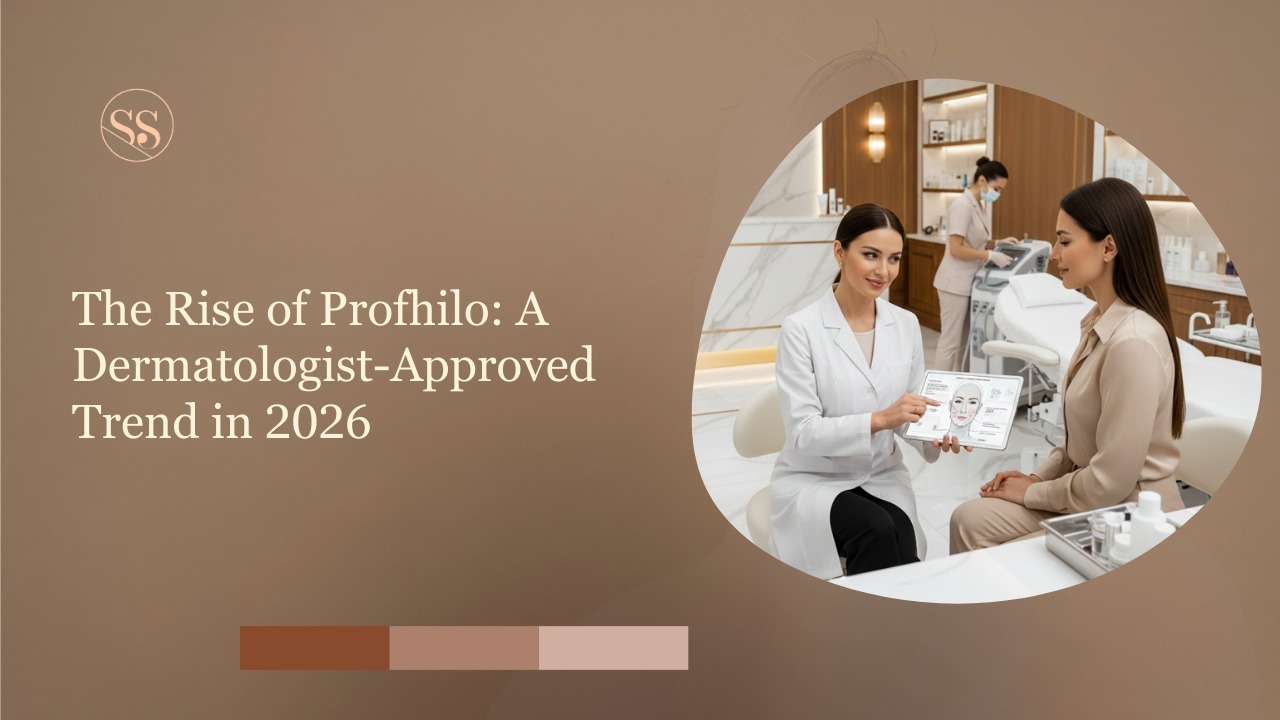
In 2026, dermatologists are having more conversations than ever before about injectable therapies and their role in ongoing skin wellness. At the forefront of these discussions is the Profhilo treatment, which is attracting significant attention because it symbolizes the long-term aesthetic goals rather than immediate visual results.
A noticeable shift in aesthetic conversations
A noticeable trend across many medical journals and dermatological conferences has emerged around a particular injectable. In 2026, Profhilo is no longer just a trend; it's considered a primary treatment, signaling how aesthetic practices will evolve.
This renewed interest has also created an opportunity for practitioners to move away from traditional treatment categories, as patients have begun requesting subtle changes to improve skin quality rather than instant volume.
What is Profhilo skin booster?
Profhilo skin booster delivers professional-grade hyaluronic acid at much higher concentrations than traditional fillers, allowing it to spread evenly through the dermis.
It is considered to be an injectable form of bio-remodelling rather than an injectable filler. While providing profound hydration, increasing elasticity, and improving resilience, it also affects areas that show early signs of laxity or texture changes.
“Patients today are asking for skin that looks healthier rather than altered, and that shift in expectations has fundamentally reshaped how professionals evaluate injectable treatments within modern aesthetic practice,” a dermatologist mentioned.
What’s new in 2026: changing patient demand
Dermatologists plan to evaluate skin-focused injectables in 2026, with greater emphasis on longer-term clinical data, clearer protocols, and improved guidance on patient suitability.
At the same time, expectations around these injectables have changed; rather than just visible corrections, patients now want to maintain the overall health and consistency of their skin for many years to come.
“We’re seeing a clear shift from corrective procedures toward regenerative strategies, and this evolving patient mindset is a key reason why this treatment category is receiving renewed professional attention,” the dermatologist explained.
How dermatologists assess the procedure
The Profhilo injection is delivered at designated points to allow diffusion across a larger area of skin. It means there is less necessity for highly concentrated placements of the product.
Clinicians place more emphasis on assessing the patient than on employing a standardised approach. Each patient's age, skin quality, lifestyle, and expectations will affect their suitability for and outcomes of skin booster treatment.
“The success of any injectable now depends heavily on careful patient selection and thorough education, as aesthetic medicine has moved away from offering a single, universal solution for every individual,” the dermatologist added.
Role of safety and expertise in decision-making
An increase in interest brings an increase in examination. Through regulation of the products, regulation of practitioner training and education, and by providing a clear understanding of what to expect from outcomes and limitations.
The availability and accessibility of improved information have made many patients more aware of their problems. It has developed a greater understanding of which products are available, their longevity, and the biological science behind their effects on the skin.
It has inspired many aesthetic clinics in Dubai, such as Skin Symphony, to develop plans to help patients view their use of Profhilo in the context of their overall long-term skin health planning rather than as one-off procedures.
How current discussions shape the future of aesthetic treatment
The way patients talk about Profhilo in 2026 will continue the shift toward preventive and restorative care. As dermatologists re-evaluate how to treat different conditions, they not only consider which treatment will provide the most benefit to patients, but also why and when any specific treatment should be used.
For patients, this creates an opportunity for more meaningful consultations about treatment options, informed by knowledgeable decisions that centre on achieving natural, healthy-looking skin.