One of the most convenient methods of transporting bicycles is a hitch bike rack, and most car owners are afraid of scratches, chipped paint, or slight dents. Those concerns are valid. My years of experience of racks on sedans, SUVs, and crossovers have shown that even minor errors in setup can cause visible damage. The good news is that with the right hitch bike rack, careful installation, and smart everyday habits, you can protect your vehicle while still enjoying stress free bike transportation. Brands such as CRAVOT focus heavily on stability and protective contact points, which significantly helps prevent cosmetic damage.
Scratches tend to be as a result of movement. When a rack moves within the hitch receiver or the bikes swing during the driving process, the metal components and bike parts can be rubbing against the car. This is aggravated by tight parking areas, steep driveways as well as rough roads. Even dust between contact points will wear off a clear coat over time when it is not removed.
The other widely used reason is improper loading. Bikes which are not placed properly may have handlebars, pedals or tires touching the rear bumper or tailgate. Knowing these risks will enable you to avoid them prior to their occurrence.
The initial measure to ensure that the vehicle is secure is to select a rack that has been built keeping in mind vehicle security.
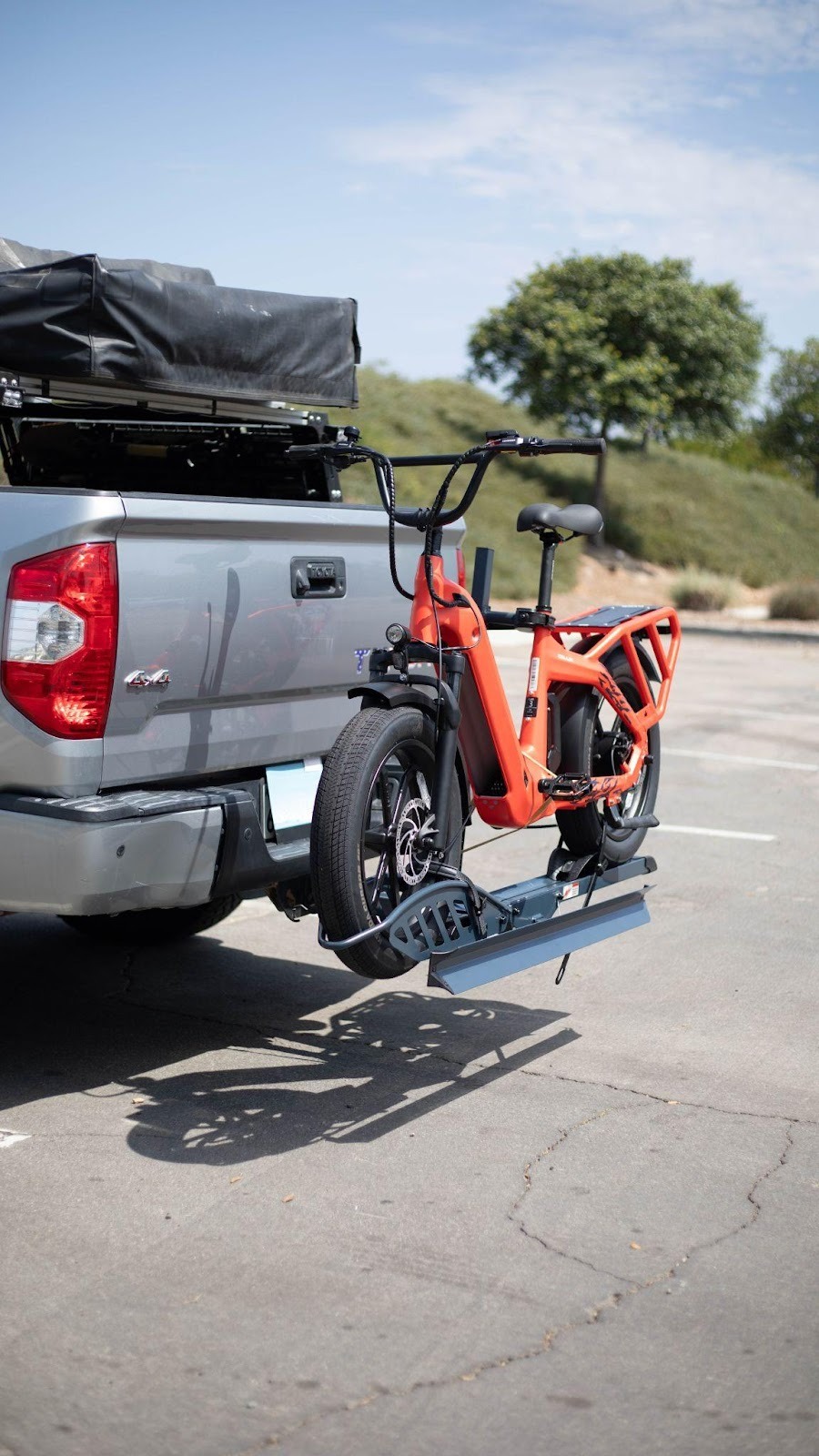
Tray style racks hold the bikes on the wheels and do not allow the frames to be in touch with the car. This design greatly minimises the likelihood of contacting paint on the frames. Hanging style racks are used to hang bikes by their top tube and can swing bikes unless firmly fastened. Tray style hitch bike racks are the most secure in my case because they are used in newer cars with sensitive paint finishes.
Search racks that have powder coated steel or anodized aluminum finish. These are resistant to rust and minimise sharp edges that may lead to scratches. Another layer of protection is provided by rubberized contact points, padded arms and wheel cradles. The use of coated surfaces and soft touch in CRAVOT racks is specially designed to reduce contact between the vehicle and the racks.
The finest rack may produce scratches when installed improperly. Install the rack completely into the hitch receiver and screw the anti wobble system to a point where there is little movement. The major cause of chipped paint and bumper scuffs is a loose rack.
Ensure that the rack is flat and at the center. In case it is leaning or sagging, bikes can be tilted on the vehicle. Once installed, shake the rack to ensure that it is solid. Long term damage can be avoided by this simple check.
Proper loading will ensure the safety of bikes and the surface of vehicles.
The heaviest bike should always be loaded nearest to the vehicle. This makes leverage less and rack movement limited. Switch directions of the handlebars to avoid contact with the trunk or the rear window on grips and brake levers. Position of check pedals also should be taken care of since they are a frequent cause of scratches.
Straps should be tightened to ensure that they do not move, but not too tight. The bikes can be pulled towards the car due to over tension. Once you have driven some distance, pull over and re-check straps since vibration may lead to minor movements.
Basic accessories will provide an additional level of protection, particularly during long journeys.
Hitch tighteners minimize side to side motion within the receiver. Frame sleeves or soft foam pads may be used in between bikes in case there is not enough clearance. The high contact areas of the bumper are covered with a clear protective film or vinyl which offers invisible protection. I have applied paint protection film myself on my own car, and it has not shown any visible wear in multiple seasons of use.
A large number of hitch bike rack designs have trunk access through tilt or swing. These features are convenient but have to be used with caution. The rack should be tilted with support at all times, particularly when bikes are loaded. Accidental motion may lead to swinging of bikes into the car. Always ensure that locking pins are engaged when putting the rack back to the upright position.
Maintenance is a factor that is not given much attention, yet it contributes a lot in ensuring the security of your car. Wash the rack as often as possible to get rid of dirt and road grit which could serve as sandpaper. Check rubber points of contacts and change when hard or cracked. Oil moving joints to ensure that tilt mechanisms move without having to jerk.
Along with the long trips, check the rack and the back of your car before and after. Small problems are addressed at an early stage to avoid larger problems in the future.
I have spent several years of my life carrying bikes on highways and mountain roads and I realized that most of the scratches can be avoided. The greatest changes were the replacement of a low quality hitch mount bike rack with a high quality one with high anti wobble characteristics and a greater degree of care on the way of loading. Taking a few minutes before every journey has helped me to save money on repairing paint.
Securing your car when you have a hitch bike rack is a matter of making smart decisions and routine, and a properly designed hitch mount bike rack, proper installation and loading of your vehicle will ensure that your car is not old-fashioned. Choosing a good rack, such as the ones offered by CRAVOT, and covering it with protective accessories, as well as regularly checking it, you will be able to experience the cycling adventures and not think about scratches and damages.
Will a hitch bike rack scratch my bumper?
Yes, scratches may occur when the rack or bikes are moving in the course of driving, however, with the correct installation and padding, it is highly unlikely to cause any scratches
.
Does tray style racks offer better protection to cars compared to hanging racks?
Tray style racks tend to have clearance around the vehicle and will not easily result in scratches.
Is it better to apply paint protection on my car?
To ensure better security, paint protection film is a good choice in case you travel a lot with bikes.