This article explores lipid peroxidation — the interaction between free radicals and essential fatty acids like the C15 fatty acid — and how it impacts your health. It’s time to explore the science behind this chemical reaction and its implications on your body, so you can better look after your overall wellness.
Lipids are crucial organic compounds essential for many bodily functions. These compounds, which include fats and waxes, are important for storing energy and forming cell membranes. Appreciating the significance of lipids is key to understanding their importance in maintaining overall health.
By further examining lipids, you can gain insights into their indispensable role in the body. Understanding these compounds sheds light on their essential functions, highlighting their crucial role in supporting various biological processes necessary for sustaining optimal health and well-being.
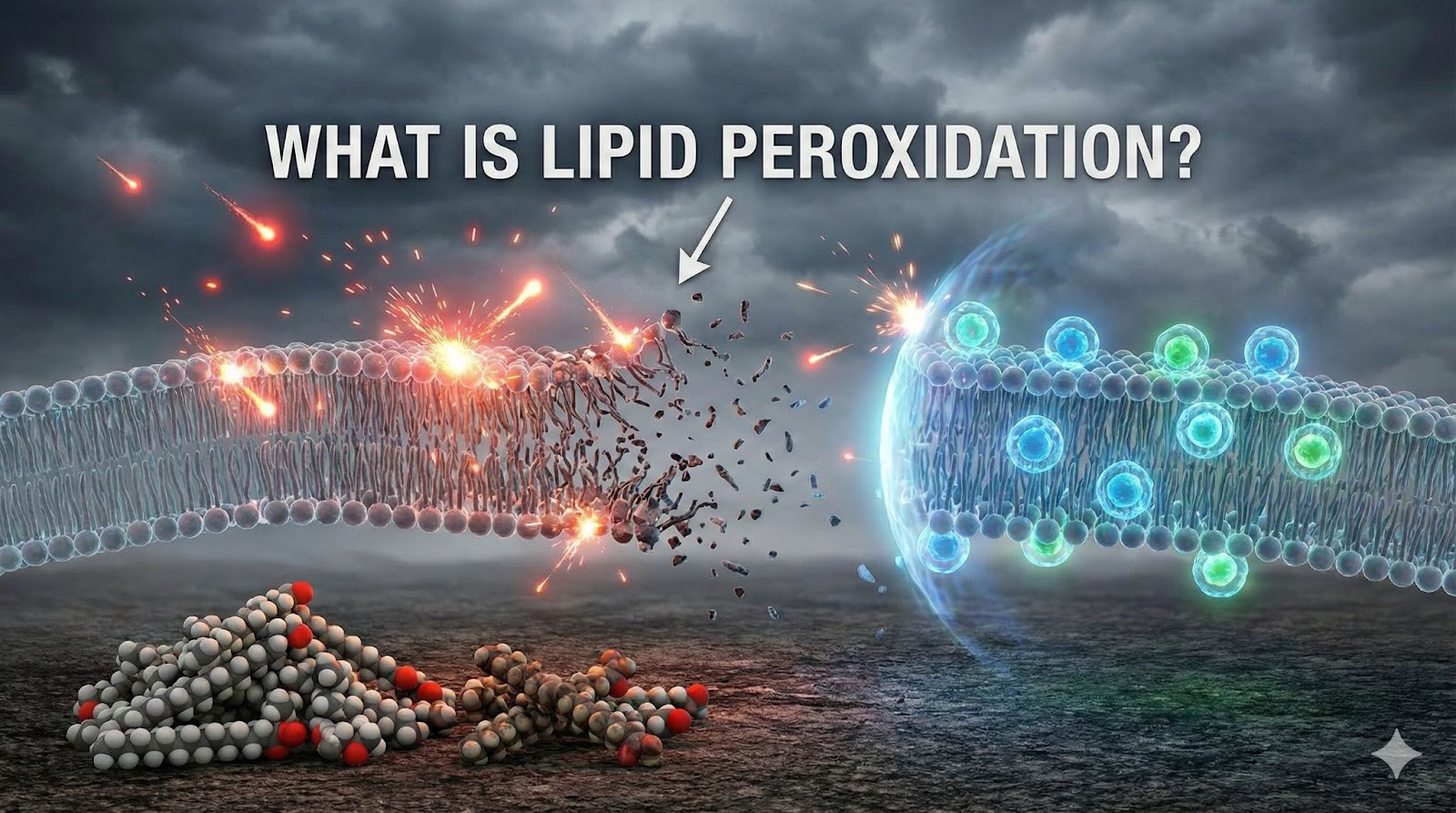
Lipid peroxidation is a chemical process in which free radicals interact with polyunsaturated fatty acids in cell membranes, leading to molecular-level damage and instability. This chain reaction initiates when free radicals react with fatty acids, forming lipid radicals that further react with oxygen to create lipid peroxides.
This damaging cascade can compromise cell structure integrity, with potential health implications. Understanding lipid peroxidation is crucial in grasping how oxidative stress can impact cellular health.
The primary instigator of lipid peroxidation is oxidative stress. This is when there is an imbalance between the production of free radicals and the body's ability to neutralize them using antioxidants.
Free radicals are highly reactive molecules that can be generated through various sources, including exposure to environmental pollutants, UV radiation, smoking, and even metabolic processes within the body. When an excess of free radicals overwhelms the antioxidant defense system, lipid peroxidation begins, potentially harming cell structures and functions.
The effects of lipid peroxidation can have significant repercussions on overall health. When cell membranes undergo lipid peroxidation, they become more permeable, compromising their integrity.
This damage can lead to a range of health issues, including inflammation, accelerated aging, and an increased risk of chronic diseases such as cardiovascular conditions, neurodegenerative disorders, and cancer. Additionally, the byproducts of lipid peroxidation can disrupt normal cellular functions, potentially impacting the body's ability to repair and regenerate tissues.
Preventing lipid peroxidation involves adopting lifestyle changes and dietary practices that reduce oxidative stress and support antioxidant defense mechanisms. Here are some practical steps to minimize the risk of lipid peroxidation:
Incorporate foods high in antioxidants, such as fruits, vegetables, nuts, and seeds, into your daily meals. These foods are useful for scavenging free radicals and protecting against lipid peroxidation.
Avoid smoking, limit alcohol consumption, and reduce exposure to environmental pollutants to minimize the production of free radicals in your body.
Choose healthy fats like olive oil, avocados, fatty fish, and supplements rich in omega-3 fatty acids and C15:0, which can potentially help stabilize cell membranes and reduce susceptibility to lipid peroxidation.
Engaging in physical activity can boost your body's antioxidant defenses, helping to combat the effects of oxidative stress and lipid peroxidation.
Antioxidants help prevent and combat lipid peroxidation by neutralizing free radicals and inhibiting chain reactions that lead to cellular damage. These compounds scavenge free radicals, providing a shield against oxidative stress and lipid peroxidation.
Vitamins like vitamin C, vitamin E, and beta-carotene, as well as minerals such as selenium and zinc, function as antioxidants in the body. They support overall health and optimal cellular function.
Managing lipid peroxidation can translate to improved health outcomes. By incorporating antioxidant-rich foods and healthy habits into your daily routine, you can potentially reduce the risk of chronic diseases associated with oxidative damage.
Making conscious choices to prioritize antioxidants and limit exposure to free radicals can empower you to safeguard your cellular health and enhance your overall well-being. Understanding lipid peroxidation and its implications sheds light on the critical role that oxidative stress plays in cellular health.
By taking proactive steps to prevent lipid peroxidation through a balanced diet, regular exercise, and lifestyle modifications, you can fortify your body's defenses against oxidative damage. Embracing these practices can pave the way for a healthier future, protecting your cells from the detrimental effects of lipid peroxidation and promoting longevity and vitality.