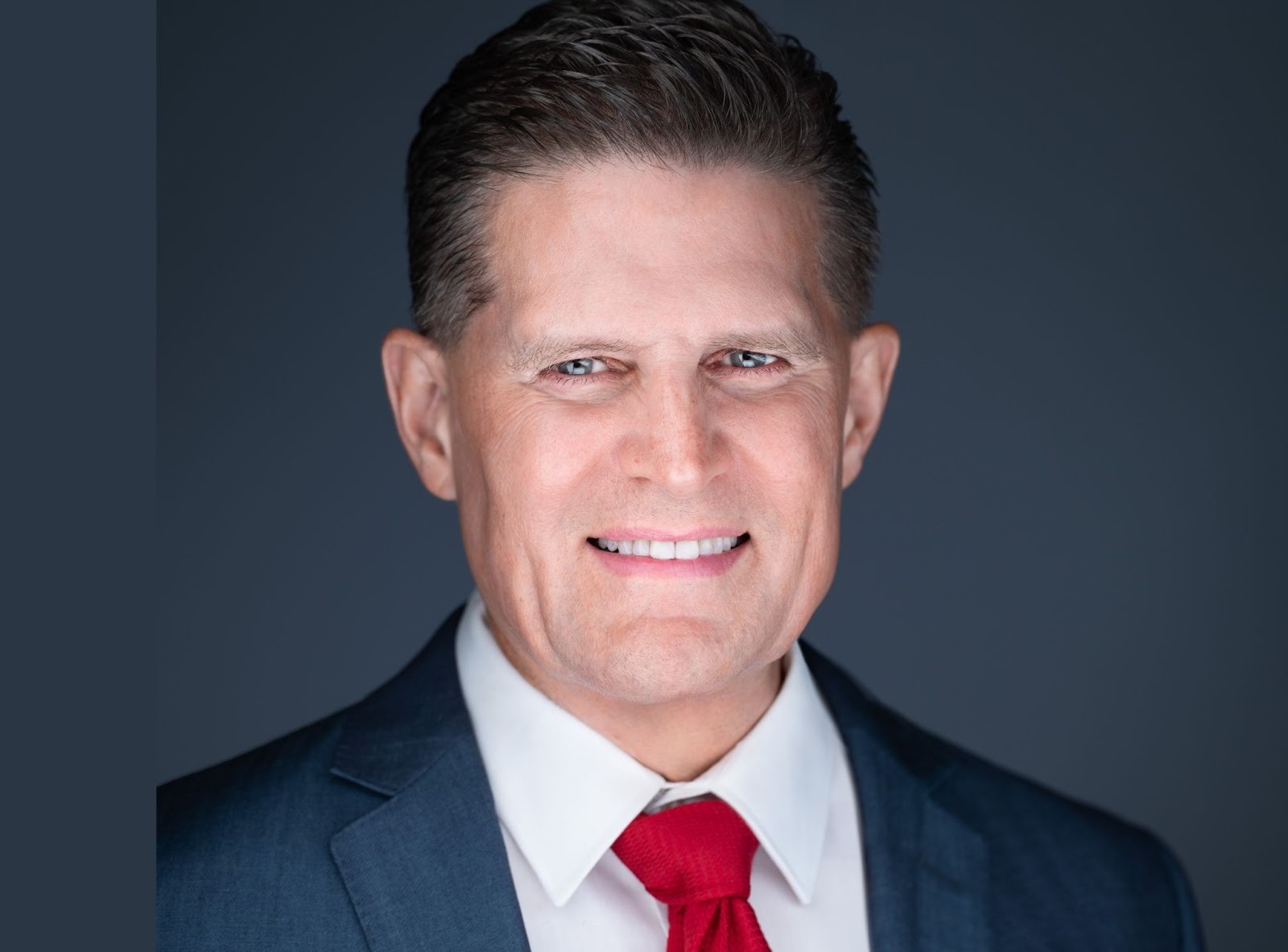
Kevin Wessell, Known widely as The Business Guy,” is an asset protection strategist and CEO of Lawyers Limited who has spent more than 30 years helping entrepreneurs, investors, and business owners protect assets from lawsuits, creditors, and financial risk. Since 1991, Kevin Wessell has advised clients on legal structures, trusts, and business planning designed to reduce exposure and preserve long-term wealth.
He has built his reputation not on hype or shortcuts, but on a blunt, methodical approach to business defense. Over more than three decades, he has worked with thousands of entrepreneurs and investors, and business owners on how to structure companies, trusts, and financial systems that are designed to survive pressure. His work sits at the intersection of asset protection, business education, and long-term risk management, an area where mistakes are expensive and timing matters more than enthusiasm.
This is not the story of a lifestyle influencer or a motivational speaker. It is the profile of a business operator who has spent decades watching what actually happens when things go wrong and teaching people how to avoid learning those lessons the hard way.
Wessell is the CEO of Lawyers Limited and its associated companies, a role he has held since the early 1990s. From the beginning, his work has focused on helping clients establish domestic and international companies, trusts, and banking relationships designed to separate personal wealth from business risk. It is unglamorous work, but it is foundational.
Over time, patterns emerged. Smart people losing everything. Profitable companies collapsing under legal pressure. Entrepreneurs assumed that an LLC or insurance policy was enough, only to find out otherwise when creditors or litigators arrived. He saw that most failures were not caused by lack of effort or intelligence. They were caused by exposure.
That observation became central to his philosophy. Revenue is not security. Visibility is not power. And growth without structure creates targets, not freedom.
During the late 1990s and early 2000s, Wessell took those lessons directly to audiences as a public speaker, teaching multi-day seminars on asset protection, company and trust formation, and real estate investing. The goal was not to inspire. It was to educate. He focused on explaining how the legal and financial systems actually work, stripped of theory and optimism.
What differentiates Kevin Wessell from many voices in the business education space is his insistence on clarity over persuasion. He does not sell fantasy outcomes. He explains the consequences.
Throughout his writing, speaking, and online content, Wessell repeatedly returns to the same core idea: entrepreneurs do not lose because they lack ambition. They lose because they misunderstand risk. Confusion, in his view, is one of the most expensive problems in business.
That belief has shaped his approach to teaching. Complex concepts like fraudulent transfer rules, creditor collection tactics, jurisdictional planning, and entity separation are translated into plain language. Not simplified into nonsense, but explained in a way that business owners can apply before trouble starts.
This focus on education is not philosophical. It is practical. Once litigation begins, options narrow. Once accounts are frozen, leverage shifts. Once a judge views planning as reactive rather than proactive, outcomes change. Wessell’s message is consistent: protection must be built before it is needed.
Over the past decade, Wessell has also adapted to the realities of digital branding. His presence online reflects a broader shift in how trust is established. Visibility is easy. Credibility is not.
As The Business Guy, Wessell uses digital platforms to do what he has always done: explain how systems work and where entrepreneurs are exposed. His following has grown not because he promises shortcuts, but because he speaks directly about uncomfortable realities. Lawsuits are common. Platforms can disappear. Banks can freeze accounts. Good intentions do not protect assets.
In an era where many personal brands are built on lifestyle performance, Wessell’s digital identity functions more like documentation. His content answers the questions entrepreneurs ask quietly but rarely hear answered honestly. What happens when you are sued? What actually protects assets? What mistakes cannot be undone?
That approach has positioned him as a reference point rather than a personality. For entrepreneurs doing due diligence, his name signals depth, not flash.
A recurring theme in Wessell’s work is responsible growth. He argues that ethical entrepreneurship is not about appearing virtuous. It is about making decisions that hold up under scrutiny over time.
Truthful communication. Transparent expectations. Clear contracts. Clean structures. Accountability when something goes wrong. These are not branding choices. They are survival strategies.
Wessell is critical of businesses that optimize for short-term revenue at the expense of client outcomes. In his view, ethical operators think in decades, not quarters. They build reputations they can defend, systems that do not collapse under stress, and cultures that do not rot internally while marketing promises excellence externally.
This perspective extends to how he views success itself. Wealth without peace of mind is not success. Visibility without control is not power. Growth that increases stress, legal exposure, and dependency is not freedom.
Managing multiple ventures while maintaining a public brand requires discipline beyond strategy. Wessell has been open about the importance of balance, health, and boundaries, not as lifestyle preferences, but as operational necessities.
Physical training, stable routines, family relationships, and a deliberately small inner circle all serve the same purpose: preserving judgment. In high-stakes environments, emotional decision-making is dangerous. Calm is an asset.
He also draws a firm line between public perception and reality. Online attention does not define outcomes. Algorithms do not equal truth. For Wessell, a brand is a platform, not an identity, and confusing the two leads to instability.
Across his writing, seminars, and advisory work, Wessell returns to one guiding principle: build something that cannot be taken from you.
That means skills that travel. Character that compounds. Systems that endure. Legal structures that hold under pressure. Reputation that survives scrutiny. It is a philosophy shaped not by theory, but by watching what happens when entrepreneurs fail to prepare.
Most early-stage mistakes, he argues, are avoidable. Mixing personal and business finances. Waiting too long to formalize structure. Trusting the wrong partners. Confusing revenue with durability. Believing that success makes you safer when it often makes you more exposed.
The entrepreneurs who last are not the loudest. They are the most prepared.
The business environment is becoming less forgiving. Litigation risk is rising for visible founders. Platforms are more aggressive. Payment systems are tighter. AI is compressing advantage and exposing mediocrity. In that landscape, Wessell’s focus on structure, education, and defense feels increasingly relevant.
He does not promise immunity from risk. He promises understanding. And understanding, applied early, changes outcomes.
For entrepreneurs who see business not as a sprint but as a long-term responsibility, Kevin Wessell represents a different model of success. Quietly durable. Structurally sound. And built to last when pressure arrives, not after.