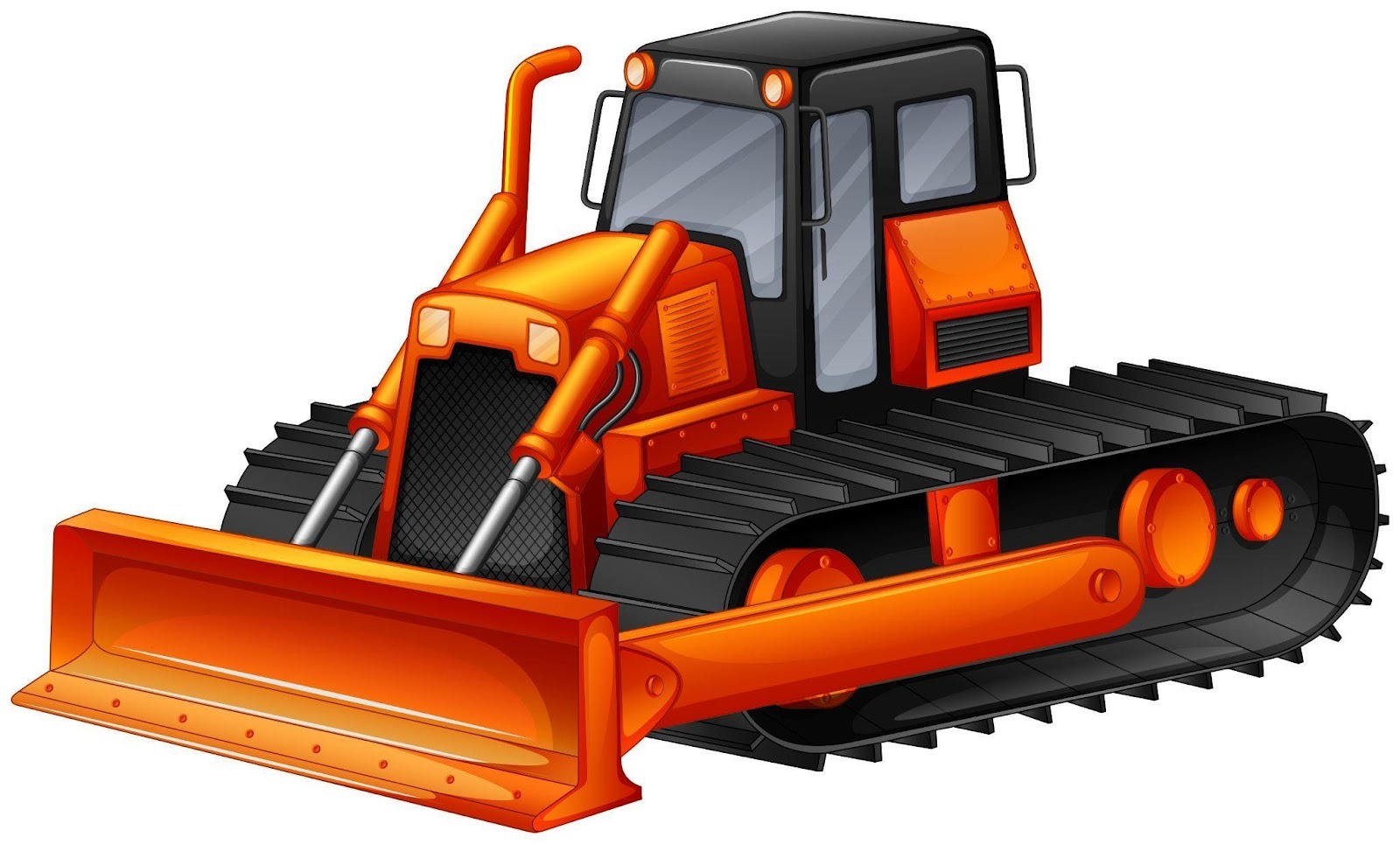
For industrial facilities, logistics centers, and warehouses, maintaining outdoor areas is an ongoing task essential for safety and efficiency. Skid steer loaders are a common and versatile asset in these environments. To maximize their utility for tasks like grading, material handling, and snow removal, selecting the right attachment is crucial. A dozer blade is a fundamental tool that transforms a skid steer into a capable machine for pushing and leveling materials. This article provides an overview of skid steer dozer blades, discussing their function, selection criteria, and safe operation for professionals managing equipment and facilities.
Dozer blades for skid steers are wide, strong attachments designed for moving loose or compacted materials across the ground. They are used for grading surfaces, spreading aggregate, backfilling trenches, and plowing snow. In a logistics or industrial setting, where clear access roads and level work areas are vital, this functionality helps maintain operational continuity. An attachment like a 94" Dozer Blade with Universal Skid Steer Mount allows a single machine to perform multiple ground-engaging tasks efficiently, offering a cost-effective alternative to dedicated, single-purpose equipment.
These attachments feature a steel moldboard mounted on a frame that connects to the skid steer's quick-attach system. Many models include hydraulic cylinders to angle the blade left or right for better material direction. Common applications in industrial and logistics operations include:
This versatility makes the dozer blade a valuable, multi-season tool for site maintenance.
Efficiency is improved because the blade's wide design allows it to move more material per pass than a standard bucket, reducing the number of cycles needed for a task. Safety is enhanced by providing a stable, purpose-built tool for pushing operations, which can be safer than improvising with other attachments. Productivity increases as tasks are completed faster, and the skid steer's availability for other jobs is maximized through quick attachment changes.
Selecting the correct blade requires checking key specifications. The width must be appropriate for the skid steer's size and the typical work area. The required machine horsepower must be met; for example, a 94-inch blade typically needs a skid steer with at least 30 horsepower. The mounting system must match the skid steer's quick-attach type. Features like hydraulic angling require the machine to have auxiliary hydraulic circuits. The 94" Dozer Blade with Universal Skid Steer Mount is designed to meet these common requirements for medium to large skid steers.
Durable construction with a replaceable cutting edge is essential for long service life. Features like adjustable skid shoes help protect the machine and blade when scraping over uneven surfaces, and trip springs can absorb shock from hidden obstacles.
Performance depends on operator skill, material type, ground conditions, and proper machine maintenance. An experienced operator who understands how to float the blade for grading will achieve better results.
Safe operation requires a pre-use inspection of the blade and all connections. The work area must be clear of people and obstacles. Operators must understand the machine's stability limits, especially when pushing heavy loads, and should use a spotter when visibility is limited.
Effective use involves a compatible skid steer, the correct hydraulic connections if needed, and standard tools for maintaining and replacing the cutting edge.
The primary advantage is adding significant grading and pushing capability to an existing machine at a lower cost than a bulldozer. Limitations include not having the same power or traction as a crawler dozer for major earthmoving, and the need for operator skill to achieve precise results.
A manufacturing plant uses a skid steer with a dozer blade to maintain its perimeter road and clear snow. This allows them to manage these tasks in-house, reducing reliance on contractors and ensuring timely maintenance regardless of the weather.
Dozer blade attachments are a practical and effective way to expand the functionality of skid steers in industrial settings. Proper selection, operator training, and adherence to safety protocols are key to their successful use. Future developments may focus on improved materials for longer wear and integration with basic guidance technology to simplify precise grading tasks.