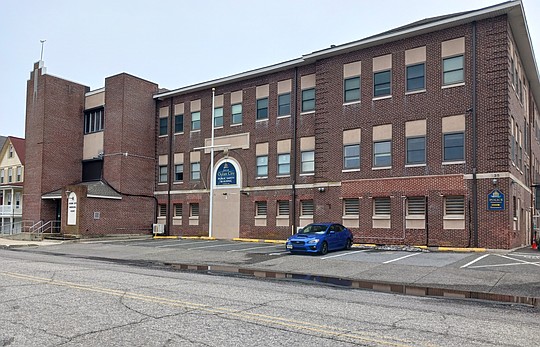
Parking lots are an essential part of modern infrastructure, supporting residential communities, commercial properties, public facilities, and industrial areas. They provide organized spaces for vehicles, ensure safe traffic flow, and contribute significantly to the overall functionality and appearance of a property. A well-designed and properly maintained parking lot not only improves convenience for drivers but also enhances safety, accessibility, and property value. Poorly planned or neglected parking lots, on the other hand, can lead to congestion, accidents, surface damage, and a negative impression for visitors or customers.
As vehicle usage continues to increase, the importance of efficient parking lot design and management has grown substantially. Parking lots must accommodate varying traffic volumes, comply with safety regulations, and withstand constant wear from vehicles and environmental conditions. From layout planning and surface materials to maintenance and compliance, parking lots require careful consideration at every stage to ensure long-term usability and performance.
Purpose and Importance of Parking Lots
Parking lots serve a fundamental purpose by providing designated areas for vehicles to park safely and efficiently. In commercial settings, they directly influence customer experience, as convenient parking often determines how easily customers can access businesses. In residential and office environments, parking lots help manage traffic flow, reduce congestion, and create organized spaces that enhance daily operations.
Beyond convenience, parking lots play a vital role in safety. Clearly marked spaces, directional signage, and pedestrian pathways reduce the risk of accidents and confusion. Proper lighting and visibility improve security and allow drivers and pedestrians to navigate safely at all hours. Additionally, parking lots contribute to accessibility by incorporating designated spaces for individuals with disabilities, ensuring compliance with accessibility standards and promoting inclusivity.
Parking Lot Design and Layout
Effective parking lot design begins with a clear understanding of traffic patterns, space requirements, and user needs. A well-planned layout ensures smooth vehicle movement, minimizes congestion, and maximizes the number of usable parking spaces. Factors such as entry and exit points, lane widths, turning radii, and pedestrian walkways must be carefully designed to prevent bottlenecks and accidents.
Parking space dimensions vary depending on the type of vehicles expected, including standard cars, larger vehicles, or service trucks. Angled parking is often used to improve traffic flow and ease of entry, while perpendicular parking maximizes space utilization. The inclusion of clearly marked driving lanes, stop lines, and directional arrows helps guide drivers and reduces confusion. Proper drainage design is also critical, as water accumulation can damage surfaces and create safety hazards.
Materials Used in Parking Lot Construction
The choice of materials significantly affects the durability, appearance, and maintenance requirements of a parking lot. Asphalt and concrete are the most commonly used materials due to their strength and adaptability. Asphalt parking lots are popular for their cost-effectiveness, flexibility, and ease of repair. They perform well in various climates and can be resurfaced to extend their lifespan.
Concrete parking lots, while generally more expensive upfront, offer exceptional durability and resistance to heavy loads. They are often used in areas with high traffic volumes or where long-term performance is a priority. Concrete surfaces require less frequent maintenance and provide a clean, professional appearance. The selection of materials depends on factors such as budget, traffic levels, environmental conditions, and expected lifespan.
Importance of Proper Parking Lot Striping
Parking lot striping is a critical element that ensures organization, safety, and compliance. Clearly painted lines define parking spaces, driving lanes, loading zones, and pedestrian crossings. Well-maintained striping improves traffic flow and helps drivers park correctly, maximizing space utilization and minimizing the risk of collisions.
Striping also plays an important role in accessibility compliance by clearly marking designated parking spaces for individuals with disabilities. These markings must meet specific size, color, and placement requirements to ensure visibility and usability. Regular re-striping is necessary, as paint fades over time due to traffic and weather exposure. Maintaining clear and visible markings enhances both functionality and appearance.
Parking Lot Safety Considerations
Safety is a primary concern in parking lot design and maintenance. Poor visibility, uneven surfaces, and unclear signage can increase the risk of accidents involving vehicles and pedestrians. Adequate lighting is essential to improve visibility during nighttime hours and enhance security. Well-lit parking lots discourage criminal activity and make users feel safer.
Surface conditions also impact safety. Cracks, potholes, and uneven pavement can cause vehicle damage and pose tripping hazards for pedestrians. Regular inspections and timely repairs help prevent these issues. Installing speed bumps, signage, and designated pedestrian pathways further enhances safety by controlling vehicle speed and separating traffic from foot traffic.
Maintenance and Upkeep of Parking Lots
Regular maintenance is essential to preserve the functionality and appearance of parking lots. Over time, exposure to traffic loads, weather conditions, and environmental elements can cause surface deterioration. Cracks, potholes, and fading markings are common issues that require attention. Routine maintenance tasks include cleaning debris, sealing cracks, repairing damaged areas, and repainting lines.
Sealcoating is an effective maintenance practice for asphalt parking lots, providing a protective layer that shields the surface from moisture, UV rays, and chemicals. This process extends the lifespan of the pavement and improves its appearance. Concrete parking lots benefit from joint sealing and surface cleaning to prevent moisture infiltration and staining. Proactive maintenance reduces long-term repair costs and ensures consistent performance.
Drainage and Environmental Considerations
Proper drainage is a critical component of parking lot design and maintenance. Without effective drainage systems, water can accumulate on the surface, leading to erosion, cracking, and structural damage. Standing water also creates safety hazards and accelerates pavement deterioration. Drainage solutions such as slopes, catch basins, and permeable surfaces help manage water flow and prevent pooling.
Environmental considerations are increasingly important in parking lot planning. Sustainable practices include the use of permeable pavement, which allows water to filter through the surface and reduce runoff. Landscaping elements, such as green islands and trees, improve aesthetics while helping manage stormwater and reduce heat buildup. These eco-friendly approaches contribute to environmental responsibility and enhance the overall appeal of parking facilities.
Parking Lot Accessibility and Compliance
Accessibility is a vital aspect of parking lot design, ensuring that all users can navigate the space safely and comfortably. Designated accessible parking spaces must be located close to entrances and clearly marked with appropriate signage and striping. These spaces should provide adequate room for vehicle access and mobility aids.
Compliance with accessibility standards is not only a legal requirement but also a reflection of a property’s commitment to inclusivity. Properly designed ramps, curb cuts, and pedestrian pathways improve accessibility for individuals with disabilities, parents with strollers, and elderly users. Regular inspections help ensure continued compliance and usability.
Parking Lot Management and Operations
Effective parking lot management involves coordinating maintenance, monitoring usage, and addressing user needs. In commercial and public settings, management strategies may include signage to guide drivers, designated zones for short-term or long-term parking, and enforcement of parking rules. Technology such as parking sensors, cameras, and automated systems can improve efficiency and security.
Clear communication through signage and markings helps drivers navigate the lot easily, reducing congestion and frustration. Regular monitoring ensures that issues such as illegal parking, surface damage, or safety concerns are addressed promptly. Well-managed parking lots contribute to a positive user experience and efficient property operations.
Commercial and Residential Parking Lots
Parking lot requirements vary between commercial and residential properties. Commercial parking lots often experience higher traffic volumes and require durable materials, frequent maintenance, and clear signage to accommodate customers and deliveries. Residential parking lots prioritize convenience, safety, and aesthetics for residents and visitors.
In both cases, proper planning and maintenance are essential to ensure long-term functionality. Well-designed parking lots enhance property value, improve user satisfaction, and reduce operational challenges. Tailoring the design and management approach to the specific property type ensures optimal performance.
Conclusion
Parking lots are a vital component of modern infrastructure, supporting daily transportation needs while contributing to safety, accessibility, and property value. From design and construction to maintenance and management, every aspect of a parking lot requires careful attention to ensure long-term usability and performance. Well-planned layouts, durable materials, clear striping, and regular maintenance create organized and safe environments for drivers and pedestrians alike.
By prioritizing safety, accessibility, and sustainability, property owners can maximize the benefits of their parking lots while minimizing repair costs and operational challenges. Whether serving residential communities, commercial businesses, or public facilities, a well-maintained parking lot plays a crucial role in creating efficient, safe, and visually appealing spaces that support modern transportation needs.