Overnight parking is a common concern for vehicle owners, whether they are city residents, travelers, or those who own larger vehicles such as RVs or trucks. Finding a secure and legal location to park overnight can significantly impact convenience, safety, and peace of mind. While many people assume that parking is simply a matter of locating an available spot, overnight parking involves a complex mix of regulations, local ordinances, safety considerations, and practical strategies that can make a substantial difference in the experience of vehicle ownership. By understanding the options and guidelines for overnight parking, individuals can ensure that they comply with the law, protect their vehicles, and make the most of available parking resources.
The need for overnight parking spans a wide variety of situations. Urban residents who lack private driveways or garages often rely on public parking spaces, metered lots, or designated municipal areas. Travelers and tourists require overnight parking that is safe, accessible, and sometimes equipped with additional amenities, such as restrooms or security monitoring. Owners of recreational vehicles, trucks, and trailers face unique challenges because larger vehicles cannot easily fit into standard parking spaces and may be subject to additional local restrictions. Regardless of the situation, understanding the rules and options for overnight parking is essential to avoid fines, towing, or other complications.
Legal Considerations and Regulations for Overnight Parking
One of the most critical aspects of overnight parking is compliance with local regulations. Municipalities, cities, and counties often establish specific rules regarding where vehicles may be parked overnight, how long they can remain in a single spot, and any required permits. These regulations can vary widely depending on the location and type of vehicle, making it important for vehicle owners to research applicable ordinances before leaving their vehicle overnight.
In many urban areas, parking meters and municipal lots may restrict overnight parking to certain hours or require special permits. Residential neighborhoods may enforce street parking rules, limiting overnight parking for non-residents or requiring registration with local authorities. Violating these regulations can result in fines, warnings, or even towing, emphasizing the importance of understanding the rules before parking for an extended period.
For larger vehicles, such as RVs, campers, and commercial trucks, additional restrictions often apply. Many cities prohibit overnight parking of oversized vehicles on residential streets or in commercial lots. In some areas, designated areas such as truck stops or RV parks provide legal options for overnight parking, and failure to use these approved locations may result in enforcement actions. Consulting local ordinances, parking authorities, or even city websites is a proactive way to avoid complications and ensure compliance.
Options for Overnight Parking
Overnight parking options vary depending on location, vehicle type, and the availability of designated areas. Public parking lots, commercial parking areas, and private driveways are among the most common solutions. Understanding the advantages and limitations of each option allows vehicle owners to make informed decisions.
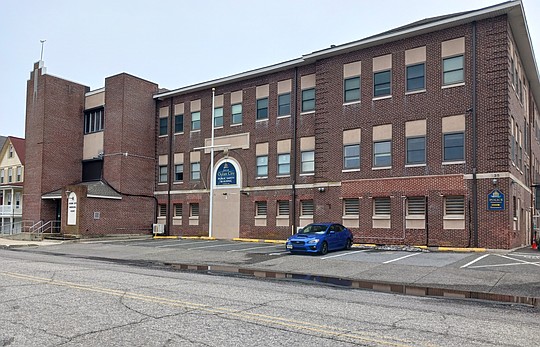
Public parking lots, such as those operated by municipalities or transit authorities, often provide designated areas for overnight parking. These spaces may require payment, permits, or adherence to specific rules regarding the type and size of vehicle. For urban residents without private parking, municipal lots can provide a safe and legal alternative to street parking, particularly when paired with security measures such as lighting and monitoring.
Commercial parking areas, including shopping centers, hotels, and business complexes, may allow overnight parking, though it is often limited to patrons or requires prior permission. Contacting property management in advance is advisable to avoid misunderstandings or fines. Many commercial areas have restrictions for vehicles larger than standard cars, so travelers with trucks or RVs should ensure compatibility with available spaces.
Private property, such as driveways, garages, and residential lots, represents another common option for overnight parking. For residents, using personal property provides convenience, security, and full control over the environment. In some cases, neighbors or friends may allow temporary overnight parking on their property, though this should always be coordinated and approved in advance to prevent conflicts.
Safety Considerations for Overnight Parking
Ensuring the safety of vehicles during overnight parking is a primary concern for owners. Areas with proper lighting, security monitoring, and visibility can significantly reduce the risk of theft, vandalism, or accidental damage. Choosing a location with a low risk of crime and minimal environmental hazards is an essential part of overnight parking strategy.
For urban residents, parking near well-trafficked areas can enhance security, as frequent pedestrian and vehicle activity discourages criminal activity. Parking lots with security cameras or attendants provide additional reassurance, while locked garages and gated areas offer the highest level of protection. In rural or remote areas, selecting a safe and stable surface for parking—free from flooding, mud, or uneven terrain—helps prevent damage to the vehicle during overnight stays.
Vehicle owners should also consider preventive measures, such as locking all doors, setting alarms, and removing valuables from plain sight. For RVs and campers, additional precautions, such as leveling vehicles and securing slide-outs or external equipment, help protect both the vehicle and its contents during extended overnight parking periods.
Overnight Parking for Travelers and Tourists
Travelers and tourists often face unique challenges when it comes to overnight parking. Cities with limited parking options, popular tourist destinations, and areas with strict regulations can make finding suitable overnight parking difficult. Planning in advance is crucial to avoid last-minute stress or fines.
Hotels, campgrounds, and designated RV parks often provide the most reliable options for overnight parking while traveling. These facilities typically offer amenities such as restrooms, security, and access to water and electrical hookups for RVs. For budget-conscious travelers, some chain stores or large retail locations may allow overnight parking with permission, though it is essential to confirm policies with management to avoid violations. GPS applications and dedicated travel websites also provide valuable tools for locating approved overnight parking areas, allowing travelers to plan routes and stops in advance.
Understanding local regulations while traveling is equally important. Restrictions may differ between neighboring cities or counties, and failure to comply with local parking rules can lead to unexpected penalties. By researching options, coordinating with property management, and selecting safe, legal areas, travelers can ensure a smooth and stress-free experience during overnight stays.
Best Practices for Responsible Overnight Parking
Responsible overnight parking combines legality, safety, and courtesy. Adhering to best practices ensures that vehicle owners do not disrupt neighborhoods, businesses, or public areas while protecting their property.
First, always research local ordinances and parking restrictions. Knowledge of time limits, permit requirements, and vehicle-specific rules prevents fines and legal issues. Second, select safe and secure locations. Well-lit areas, monitored lots, and private property are preferable to unlit or isolated streets. Third, maintain visibility and avoid obstructing traffic, driveways, or access points. Proper placement reduces the risk of accidents and demonstrates consideration for others. Fourth, coordinate with property owners or management when using commercial or private lots to ensure permission and avoid conflicts. Finally, follow environmental guidelines. Avoid parking on grass or sensitive terrain, and ensure that vehicle emissions or fluids do not cause damage to the surroundings.
By following these practices, vehicle owners contribute to a positive parking environment while protecting themselves and their property. Responsible overnight parking reduces stress, increases convenience, and minimizes potential risks associated with extended vehicle stays.
Conclusion
Overnight parking is a multifaceted topic that requires careful consideration of legal regulations, available options, safety, and best practices. Whether for urban residents, travelers, or owners of larger vehicles, understanding the rules and strategies for overnight parking is essential for convenience, security, and compliance. By selecting appropriate locations, following safety measures, and respecting local ordinances, vehicle owners can ensure a positive experience that protects their property and contributes to community order.
Proper planning, research, and adherence to responsible parking practices transform overnight parking from a potential challenge into a manageable and even convenient aspect of vehicle ownership. With knowledge of available options, safety precautions, and local regulations, vehicle owners can navigate the complexities of overnight parking confidently and with peace of mind.