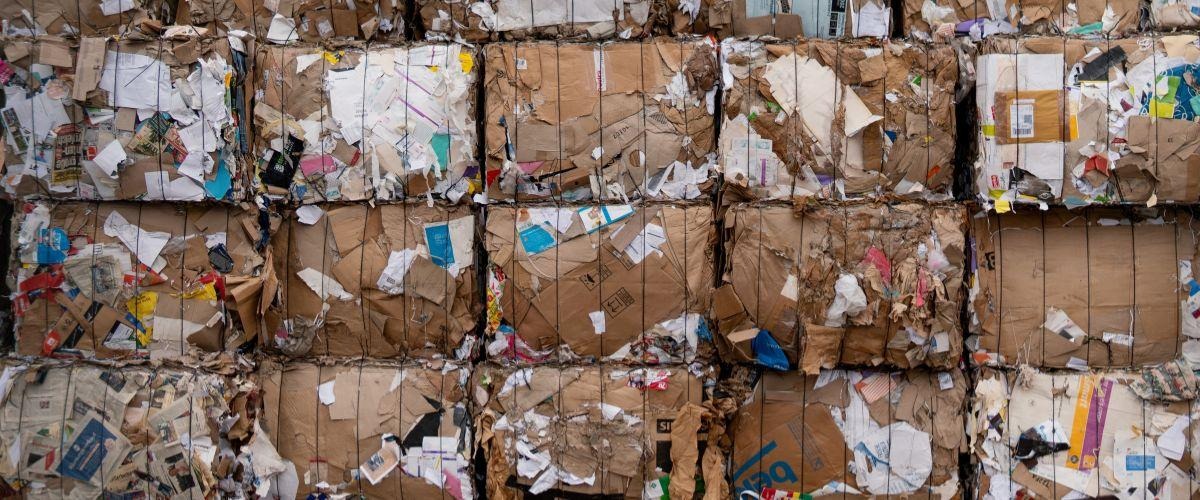
Discover how to recycle waste paper effectively at home and office, reduce environmental impact, and turn paper scraps into valuable reusable resources.
Most office paper grades qualify for secure recycling, including printer paper, letterhead, invoices, and internal memos containing sensitive information. Glossy papers, thermal receipts, and carbonless forms require specialized destruction due to their coating compositions but remain recyclable through proper channels.
Paper with staples and paper clips can typically proceed through secure destruction systems, as modern equipment separates metal fasteners during processing. However, plastic binders, laminated materials, and adhesive labels should be removed to prevent contamination.
Standard waste paper contains no personally identifiable information (PII), financial data, or proprietary content. This includes newspapers, magazines, and blank sheets that pose minimal security risk and can follow conventional recycling streams.
Sensitive documents contain information that could lead to identity theft, competitive disadvantage, or compliance violations. These materials require documented chain-of-custody handling and verified destruction before entering the recycling process to prevent unauthorized reconstruction.
Proper preparation of confidential documents ensures both security and recyclability. Organizations must establish clear protocols for document handling from generation through destruction. Effective preparation reduces contamination while maintaining the paper fiber integrity necessary for successful recycling.
Implement a three-tier classification system based on sensitivity levels: general business (low risk), confidential business (medium risk), and restricted (high risk). Each category requires progressively stricter handling protocols and destruction methods.
Provide color-coded collection containers throughout the workplace to facilitate proper sorting at the source. Train staff to recognize document sensitivity levels and follow appropriate disposal procedures for each classification.
Remove plastic windows from envelopes, adhesive labels, and tape which can compromise both security and recyclability. These materials interfere with pulping processes and may prevent complete destruction of sensitive information.
Extract metal fasteners like staples and paper clips when possible, though modern shredding systems can typically handle these items. Large metal bindings must always be removed as they can damage destruction equipment and create security gaps.
Implement a two-person verification system for transporting highly sensitive materials to destruction points. This dual-control approach prevents unauthorized access during the vulnerable transport phase.
Use tamper-evident containers with numbered security seals for document transport. Record seal numbers in chain-of-custody logs to create verifiable handling documentation that supports compliance requirements and security audits.
Store sensitive materials awaiting destruction in locked containers with access limited to authorized personnel. NIST guidelines recommend containers with at minimum 16-gauge steel construction and tamper-resistant locks.
Maintain temporary storage areas under continuous video surveillance with 90-day retention periods. Implement environmental controls to prevent damage from moisture or heat that could compromise document integrity before secure destruction.
Maintain detailed records documenting each transfer of custody from generation through final destruction. Include timestamps, handler identifications, and quantity metrics to create a complete audit trail.
Issue certificates of destruction upon completion of secure recycling processes. These certificates should detail destruction methods, time/date, witness information, and volume processed to satisfy compliance requirements and demonstrate due diligence.
Effective destruction renders information unrecoverable while preserving paper fibers for recycling. The destruction method must align with document sensitivity levels and organizational risk profiles. Properly destroyed paper maintains higher recycling value than paper damaged through improper handling.
Cross-cut destruction is a widely adopted method for securely processing sensitive paper before recycling. By cutting documents in multiple directions, this approach disrupts text continuity and eliminates readable information, reducing the risk of reconstruction during handling, transport, or downstream processing.
For confidential business documents, cross cut paper shredder provides a practical balance between security and recyclability. The resulting fragments remain large enough to preserve usable fiber structure while ensuring that sensitive information cannot be recovered. When applied consistently, cross-cut methods support secure disposal practices without unnecessarily degrading recycling value.
Industrial pulping systems combine mechanical shredding with chemical dissolution, breaking paper down to individual fibers. This process achieves complete information destruction while preparing materials directly for recycling.
Wet pulping achieves security levels exceeding NSA requirements for top-secret documents. The resulting fiber slurry can be formed into new paper products with no risk of information recovery, creating a closed-loop secure recycling system.
Implement destruction methods that produce random, non-uniform fragment patterns. Consistent cutting patterns increase reconstruction vulnerability through algorithmic pattern matching techniques.
Mix shredded materials from multiple sources before recycling to further complicate potential reconstruction attempts. This commingling approach creates material diversity that frustrates even advanced reconstruction methodologies.
Industrial shredding systems can process up to 8,000 pounds of paper per hour while maintaining security standards. These systems incorporate multiple destruction stages to ensure thorough information obliteration before recycling.
Mobile destruction units bring secure processing capabilities directly to client locations, eliminating transport risks. These systems provide on-site verification of destruction while preparing materials for immediate transport to recycling facilities.
Effective confidential waste paper collection requires systematic approaches that maintain security throughout the disposal lifecycle. Organizations handling sensitive information must implement comprehensive collection systems that prevent unauthorized access while facilitating proper recycling procedures.
Locked collection containers with narrow feed slots prevent document retrieval and should be positioned strategically in high-traffic office areas. The optimal ratio is one secure container per 15-20 employees, reducing the likelihood of improper disposal in regular waste bins.
Container placement should balance accessibility with security, keeping units away from public-facing areas while remaining convenient enough to encourage consistent use by staff.
Secure transportation requires sealed, tamper-evident containers and GPS-tracked vehicles operated by vetted personnel with appropriate security clearances. Collection schedules should vary to prevent predictable patterns that could enable targeted theft attempts.
Vehicles must never be left unattended during collection routes, and dual-custody procedures ensure continuous oversight during the transportation phase.
Documentation must track confidential materials from collection through destruction, with serialized container seals and electronic verification at transfer points. Each handling stage requires authenticated signatures and timestamps, creating an unbroken audit trail.
Regular third-party audits should verify compliance with chain-of-custody protocols, identifying potential security gaps before breaches occur.
Secure paper recycling delivers significant environmental advantages while maintaining information security. Organizations can achieve sustainability goals without compromising confidentiality by implementing proper destruction and recycling processes.
Each ton of securely recycled paper saves approximately 17 trees and 7,000 gallons of water compared to virgin paper production. Secure recycling processes maintain document confidentiality through cross-cut shredding to particles smaller than 4mm², rendering information reconstruction virtually impossible.
The resulting paper fiber can be repurposed into new products while eliminating information disclosure risks.
Secure paper recycling generates 74% less air pollution than producing new paper while maintaining document security. Proper destruction methods ensure confidentiality while diverting material from landfills where documents might remain intact and potentially recoverable.
Modern secure recycling facilities operate with energy-efficient equipment, further reducing the carbon impact of the destruction process.
Establishing an effective confidential paper recycling program requires careful planning, clear policies, and ongoing management. Organizations must balance security requirements with operational efficiency to ensure sustainable compliance.
Comprehensive policies should categorize documents by sensitivity level, specifying appropriate disposal methods for each classification. Retention schedules must clearly indicate when documents become eligible for destruction, preventing premature disposal of legally required records.
Policies should address both routine disposal and special handling requirements for particularly sensitive materials.
Effective training programs should include hands-on demonstrations of proper document handling procedures and regular security awareness refreshers. Staff must understand both the environmental benefits and security implications of proper disposal practices.
Training should emphasize personal responsibility for document security and include clear reporting procedures for potential security breaches.
Regular audits should track volume metrics, comparing secure container contents against expected document generation rates. Discrepancies may indicate improper disposal in conventional waste streams, requiring intervention.
Security compliance assessments should include random sampling of regular waste receptacles to identify confidential materials that escaped secure channels.
Regular system reviews should incorporate feedback from all stakeholders, identifying operational friction points that discourage proper disposal. Technological advancements in tracking and verification should be evaluated annually for potential implementation.
Benchmarking against industry best practices helps identify emerging standards and security protocols that should be incorporated into existing systems.