In coastal communities like Ocean City, HVAC systems are more than just a convenience; they are critical infrastructure for businesses, year-round residents, and the thriving vacation rental market. However, the very environment that draws visitors—the salt air and humidity—wages a constant war on mechanical equipment.
For property managers and facility owners, the challenge is twofold: maintaining operational continuity during peak summer months and preventing the rapid deterioration of expensive components. As these systems age, maintenance decisions increasingly influence not only repair costs but also long-term energy efficiency and asset value.
One aspect of HVAC maintenance is now receiving renewed attention: how metal surfaces are cleaned and preserved over time. From the copper piping in condensers to stainless steel ductwork, surface condition plays a larger role in system performance than is often recognized, especially in salt-heavy environments.
Copper pipes and stainless steel components operate continuously under fluctuating temperatures. In a coastal setting, this is compounded by the accumulation of salt crystals and oxidation. Over time, this buildup creates an insulating layer that hampers heat exchange efficiency and disrupts airflow stability.
For commercial buildings and public facilities that rely on uninterrupted operation, even small efficiency losses can translate into significantly higher energy consumption. More critically, neglecting this buildup can lead to premature failure of thin-walled components, resulting in costly emergency replacements right when the system is needed most.
Historically, maintenance teams have relied on chemical coil cleaners and mechanical brushing to address oxidation. While effective to a degree, these methods have distinct downsides in a hospitality-focused environment.
Chemical cleaning agents often introduce pungent fumes that can linger in ventilation systems, creating concerns for indoor air quality in occupied buildings. Furthermore, frequent mechanical brushing can be too aggressive for aging copper coils, leading to thinning metal and an increased risk of refrigerant leaks. This variability in maintenance outcomes makes it difficult for facility managers to predict the lifespan of their equipment.
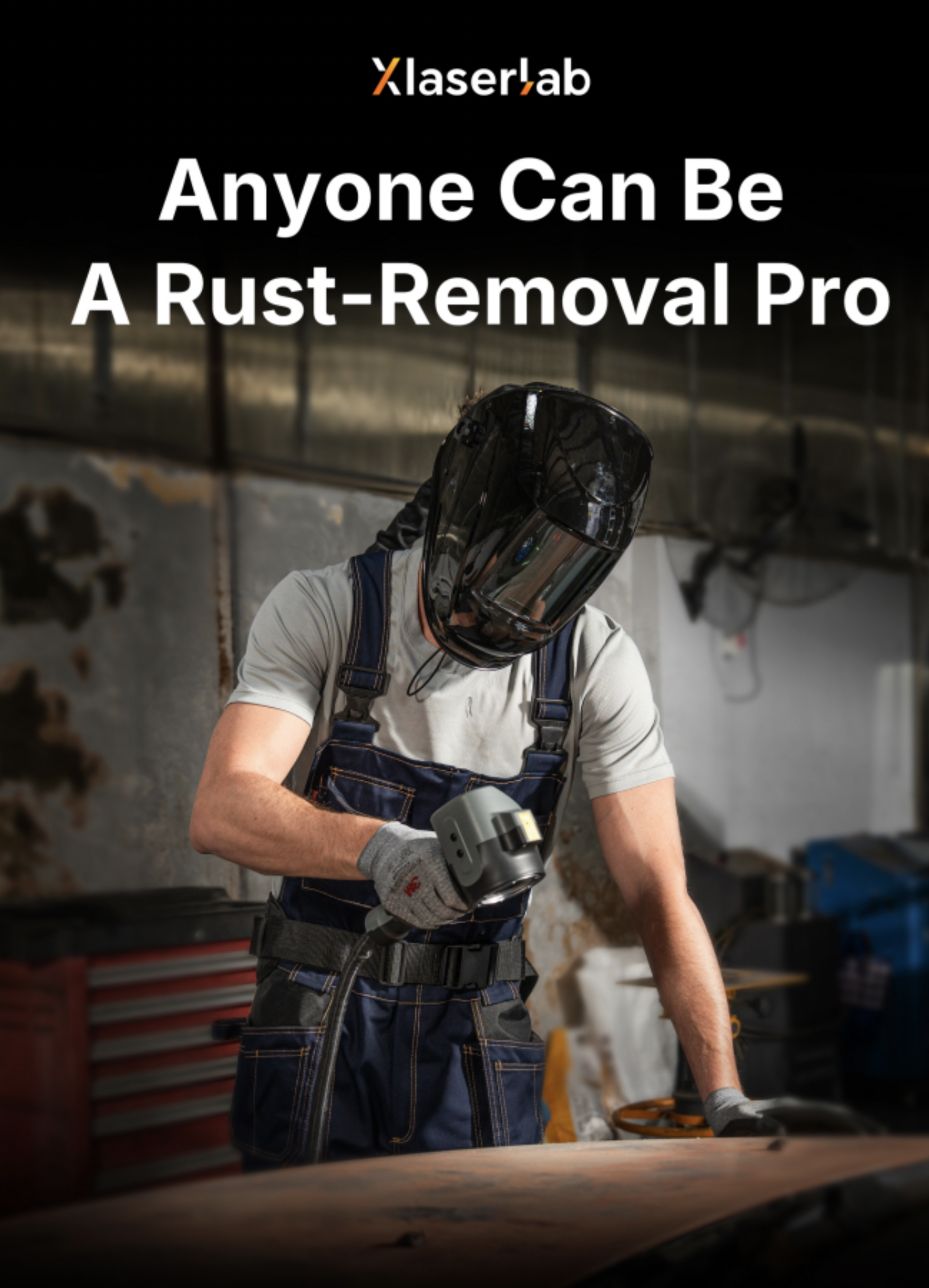
Effective maintenance is not only about removing visible buildup; it is about preserving system integrity. This need for a gentler, more precise approach is driving the adoption of photonic technology. Solutions such as xlaserlab laser cleaning are being evaluated for HVAC applications where material protection is paramount.
The Xlaserlab Q1 enables controlled, non-contact surface treatment for delicate metal components. By using focused light energy, it vaporizes oxidation and salt residues without physically touching the surface. This means that the thin walls of a copper pipe or the joints of a stainless steel duct are cleaned without the risk of abrasion or deformation.
This approach allows maintenance teams to address surface degradation while maintaining component integrity. Rather than acting as an aggressive intervention that might weaken the system, laser cleaning becomes part of a controlled, preservation-focused strategy suitable for both routine servicing and comprehensive system refurbishments.
The versatility of laser rust offers several practical advantages for managing coastal properties.
Optimizing Heat Exchange For condenser coils and copper piping, laser cleaning removes the oxidation layer that acts as a thermal barrier. By restoring the metal surface to its original state, the system can exchange heat more efficiently, directly contributing to lower electricity usage during the hot summer months.
Hygiene and Airflow in Ductwork In stainless steel ductwork, especially in commercial kitchens or healthcare settings, maintaining a clean surface is a matter of hygiene as well as efficiency. Laser cleaning prepares these surfaces without using harsh chemicals, ensuring that the air moving through the building remains free of chemical residues.
Targeted Repairs Without Disassembly During inspections, technicians often find localized corrosion on valves or fittings. The Q1 allows for these specific areas to be treated quickly and effectively without the need to dismantle complex piping assemblies, reducing downtime and service costs.
By incorporating non-destructive laser surface cleaning into maintenance programs, property operators can achieve improved system efficiency and reduced energy consumption.
More importantly, it extends the service life of key HVAC components. In an environment where salt air can ruin a condenser in half its expected lifespan, the ability to gently remove corrosive buildup without damaging the metal is a significant economic advantage. It transforms maintenance from a reactive cost into a proactive investment in property value.
HVAC maintenance strategies are evolving from high-impact interventions toward more precise, preventive care. Surface maintenance is increasingly recognized as a key factor that influences system performance throughout its lifecycle.
Laser cleaning aligns with this shift by offering a controlled, repeatable approach to metal surface care. For Ocean City property owners facing the unique challenges of the coast, the Xlaserlab Q1 represents how modern technology can support efficiency, reliability, and cost-effective operation for the long term.