Commercial property sales often draw attention for their final numbers, but the real impact usually unfolds after the deal is done. When an office or mixed-use building changes ownership, it sets off a sequence of decisions that affect businesses, workers, and surrounding commercial areas. These transitions rarely make headlines, yet they shape how local economies adapt over time.
Across coastal markets, recent transactions have highlighted growing interest in properties that can evolve with shifting business needs. Offices are no longer expected to function the same way they did a decade ago. Retail spaces are being reimagined.
For businesses occupying these buildings, a sale often marks a moment of reassessment rather than simple continuity. What happens next can influence how companies operate, how districts function, and how communities experience change on the ground.
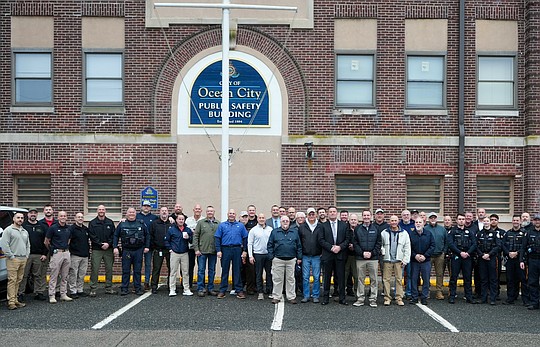
Commercial real estate is in a period of recalibration. According to a report published by Real Estate NJ, recent office and retail property sales along the Jersey Shore totaled more than $5.4 million. The deals, including one in Ocean City, drew strong interest from buyers focused on repositioning properties or holding adaptable assets.
One of the properties involved was a mixed office and retail building that drew multiple offers. The strong response signaled confidence in spaces that can serve different purposes over time.
These transactions reflect more than investor optimism. They point to a shift in how space is valued. Buildings that allow flexibility, whether through layout, location, or permitted use, are becoming more attractive than those tied to a single function. Investors are paying attention to how work patterns, consumer behavior, and local demand are evolving, especially in regions where business activity fluctuates seasonally.
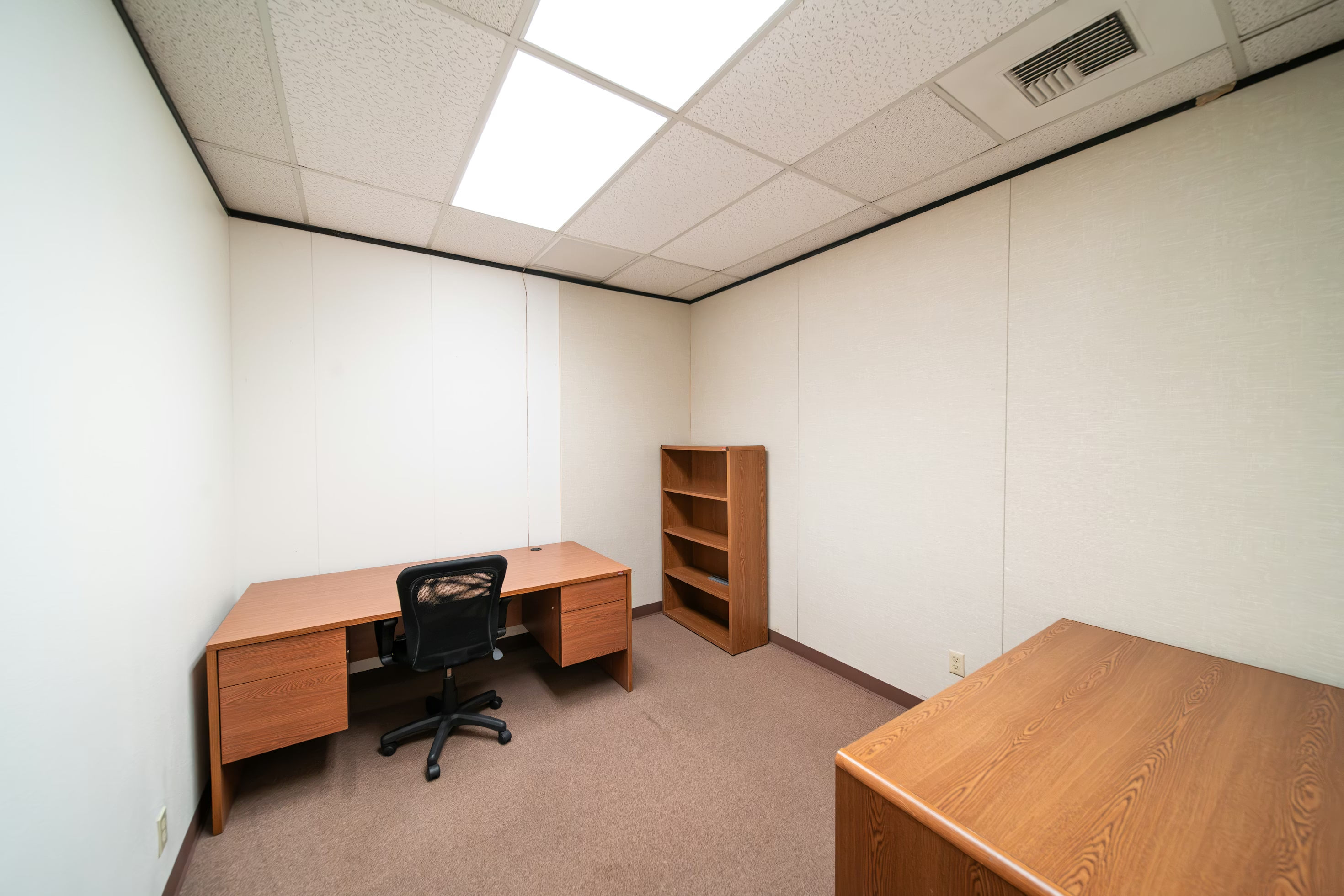
When commercial properties change hands, businesses inside them are often prompted to rethink how they use office space. Shifts in ownership tend to coincide with shifts in work culture, making relocation or resizing a practical response rather than a disruption.
An analysis published by Business.com notes that many companies now see office moves as opportunities to adapt. Hybrid work has reduced the need for a large, fixed office footprint.
Instead of holding on to legacy spaces, organizations are reassessing how location, layout, and flexibility support their teams. Office moves allow businesses to create environments that encourage collaboration, reflect evolving brand values, and improve employee experience. They can also lead to lower overhead or more favorable lease terms.
In this way, changing work patterns and property transitions reinforce each other. As buildings are repositioned by new owners, tenants respond by aligning their spaces with modern workflows. This ensures that a change in ownership leads to a change in how work gets done.
When a commercial building is sold, tenants are often the first to feel the real impact. New owners may honor existing leases, renegotiate terms, or reposition the property to reflect changing tenant needs. In moments like these, communication matters more than ever.
According to a Forbes article on shifting tenant behavior, workplace experience now goes beyond layout and location. More than 34 percent of tenants say the relationship between a building’s staff and its owner matters most.
It has the strongest influence on how they feel about using the space. That insight becomes especially relevant during ownership transitions, when uncertainty can grow quickly without clear dialogue.
For businesses asked to relocate, the challenge goes far beyond finding a new address. Exiting an office means restoring the space, removing furniture and equipment, managing materials, and coordinating timelines with multiple teams. During busy periods, this can quickly become overwhelming. This is where office decommissioning solutions come into play.
According to FourSpoke, these services manage the structured exit of a workspace, from asset removal to compliance and site restoration. They help businesses transition smoothly while avoiding delays, disputes, and overlooked obligations.
Commercial property transitions rarely affect just one tenant. Renovations bring in contractors, designers, and local service providers, creating short-term economic activity. New occupants can reshape daily foot traffic and influence how surrounding businesses perform. When a space shifts from office use to retail or mixed use, the area often feels different throughout the day. Activity may start earlier, last longer, or attract a broader mix of people.
In places like Ocean City, these changes stand out even more. The town continues to attract large crowds, having been named New Jersey’s favorite beach by 6abc Philadelphia for the twelfth consecutive year. That steady popularity means commercial districts already have a loyal audience.
Property transitions create potential for new businesses to reach people who already love the area. Fresh cafés, services, or boutiques can emerge alongside long-established favorites. When handled thoughtfully, these changes help districts stay lively, support local entrepreneurship, and adapt to how residents and visitors actually spend their time.
Every commercial transition unfolds within a defined framework of local regulations, lease obligations, and environmental standards. Zoning rules determine how a property can be used, renovated, or repurposed by new owners.
At the same time, tenants exiting a space must meet strict contractual requirements to avoid penalties, delays, or legal disputes. These factors often shape timelines and outcomes just as much as market demand or buyer interest.
Clear coordination plays a critical role in keeping transitions on track. Without planning, even well-intentioned projects can stall due to missed approvals, unresolved lease conditions, or compliance gaps.
When businesses and property owners work closely with experienced professionals, transitions tend to move faster and with fewer setbacks. Thoughtful planning helps ensure spaces are cleared properly, responsibilities are met, and properties are ready for their next use.
As a result, buildings are more likely to be reused efficiently, supporting business continuity and maintaining momentum within local commercial districts.
Start by defining clear goals for the move, including budget, timeline, and space needs. Audit existing assets and lease obligations early. Communicate plans clearly with employees and vendors. Assign a project lead to coordinate logistics, compliance, and downtime management from day one.
A commercial tenancy is a legal agreement allowing a business to occupy property for trade or professional use. It defines rent, lease duration, permitted activities, and maintenance responsibilities. Agreement outlines exit conditions and obligations both tenant and property owner must follow legally.
Businesses relocate to reduce costs, adapt to hybrid work models, or access better locations. Others move to upgrade facilities, improve employee experience, or support growth. Lease expirations, property sales, and shifting operational needs frequently trigger relocation decisions for expanding or restructuring organizations.
Taken together, recent transactions and relocation trends suggest a broader shift in how commercial space is understood. Offices are no longer static fixtures. Retail spaces are expected to evolve. Flexibility has become a defining characteristic of value.
Property sales like those reported by Real Estate NJ are not just financial milestones. They are signals of adaptation. Businesses, investors, and communities are responding to changing realities by rethinking how space supports work, commerce, and daily life. When these transitions are handled with intention, they become opportunities for renewal rather than disruption.
Change, in this context, is not a sign of instability. It is evidence of a local economy adjusting to new ways of working and doing business. And in that adjustment, commercial spaces continue to play a quiet but critical role.