Needing to tow a car is rarely planned. Whether it is a breakdown on the side of the road, a dead battery in a parking lot, or a collision that leaves your vehicle undrivable, the first question most people ask is simple: how much does it cost to tow a car? The answer depends on several factors, but understanding realistic pricing ahead of time can help you avoid surprises and make better decisions in a stressful moment.
This guide breaks down towing costs in 2026, explains what affects the final price, and walks through what to do after your car has been towed, especially if it was involved in an accident.
Towing prices are not one size fits all. Most towing companies use a combination of a base hookup fee plus a per mile charge, which means costs can vary significantly depending on distance and situation.
For short distance local tows, which usually means five to ten miles, most drivers can expect to pay somewhere in the low hundreds. This typically includes a base hookup fee that covers dispatching the truck, securing the vehicle, and the first few miles. After that, a per mile rate applies.
Local tows are most common for breakdowns, flat tires, or moving a vehicle from the roadside to a nearby repair shop or home.
Long distance towing is where costs rise quickly. Once a tow goes beyond the local range, the per mile rate becomes the biggest factor. Towing a car 50 to 100 miles or more can easily cost several hundred dollars or more, depending on vehicle type and terrain.
In some cases, drivers choose long distance towing to bring a vehicle back to a trusted repair facility rather than using an unfamiliar shop near the breakdown location.
Several variables influence towing prices, and understanding them helps explain why two tows can cost very different amounts.
Distance is the most obvious factor. The farther the vehicle needs to go, the higher the total cost. Some companies include a few miles in the base fee, while others start charging per mile immediately.
Larger or heavier vehicles usually cost more to tow. SUVs, trucks, and vans often require larger equipment than compact sedans. Electric vehicles and luxury cars may also require flatbed towing, which can increase the price.
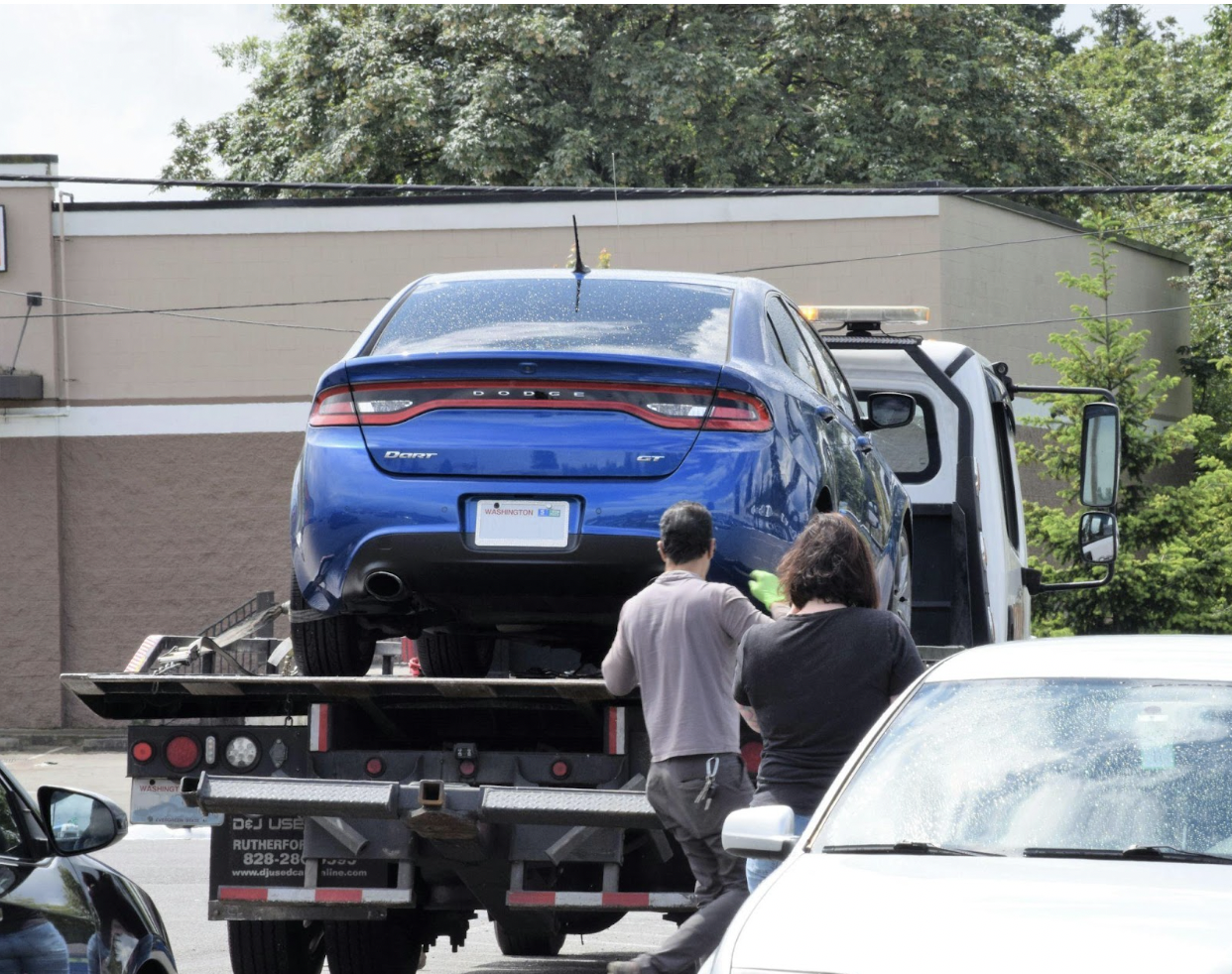
A car that rolls freely and can be easily loaded is cheaper to tow than one with locked wheels, severe accident damage, or a rollover situation. Non drivable vehicles often require additional labor or equipment.
After hours towing, weekends, and holidays often come with higher rates. Emergency calls, especially those involving accidents or roadside hazards, are typically priced higher than scheduled tows.
Towing a car from a busy highway, parking garage, ditch, or private property can add to the cost. Difficult access often means more time and specialized tools.
Beyond the basic tow, there are several fees that can catch drivers off guard.
The hookup fee covers attaching the vehicle to the tow truck. Winching fees may apply if the car needs to be pulled out of mud, snow, a ditch, or an embankment before it can be loaded.
If your vehicle is taken to a tow yard, daily storage fees can accumulate quickly. There may also be administrative or release fees required to retrieve the vehicle.
Flatbed towing, dollies, or specialty recovery equipment can increase costs. While these methods are often safer for the vehicle, they can add to the final bill.
Many drivers assume towing is always covered, but that is not always the case.
Towing is typically covered after an accident if it is included in the claim. For breakdowns, towing coverage depends on whether roadside assistance is part of your policy. Coverage usually has limits, either in distance or dollar amount.
Membership programs, credit cards, and vehicle manufacturers often include roadside assistance. These usually cover towing up to a certain distance, after which additional charges apply.
Accident related tows are often more expensive than standard breakdowns.
If police order the tow, you may have less control over which company is used and where the vehicle goes. These tows often include additional administrative fees. Private tows arranged by the driver can sometimes offer more flexibility.
After an accident, vehicles are often taken to a tow yard first. From there, they may need to be moved again to a repair facility, which can add a second towing charge if not planned carefully.
Once the immediate situation is handled, the next steps are critical.
If your vehicle was towed because of a collision or you notice new damage afterward, it is important to have it inspected promptly. Some damage is not visible at first glance, especially structural or suspension issues. In situations like this, having the car evaluated by a qualified auto body shop such as Relux Collision can help identify issues early and prevent long term problems.
After inspection, getting a professional repair estimate helps you understand whether it is safe to drive the vehicle and how to proceed with insurance. A trusted repair facility like Relux Collision can guide you through documentation, insurance coordination, and next steps without pressure or unnecessary upselling.
While not every tow is avoidable, there are ways to limit costs.
If possible, ask about total estimated cost, included mileage, and any additional fees before the tow begins. Clear communication helps prevent surprises.
When you have a choice, towing directly to a repair facility or home can save money by avoiding storage fees and secondary tows.
So how much does it cost to tow a car? In most cases, local tows are manageable, but costs can rise quickly based on distance, vehicle condition, and timing. Knowing what affects pricing and what to do after a tow puts you in control during an otherwise stressful situation.
Preparation, clear questions, and knowing your next steps can make all the difference when the unexpected happens on the road.