Selecting a final resting method, such as burial or water cremation, involves balancing respect with financial realities. While tradition often points toward a cemetery, modern families increasingly look toward alkaline hydrolysis as a sustainable alternative. This water-based process offers a gentle departure while addressing the rising expenses of traditional funerals.
Many families wonder if choosing an eco-friendly option like water cremation leads to higher expenses compared to burial or flame cremation. In the current economic environment, understanding the specific price tags attached to different disposition methods is necessary for informed planning.
Public interest in eco-friendly funeral options, including water cremation, has shifted from niche to mainstream demand. Families now prioritize methods that leave a smaller carbon footprint while maintaining the dignity of the deceased. Water cremation fits this desire by using significantly less energy than traditional fire-based systems.
Beyond environmental benefits, water cremation feels more natural to families than the intensity of flame cremation. It mirrors the biological breakdown that occurs over the years in the soil, simply accelerated through chemistry. This shift in perception is driving more funeral homes to offer the service.
Understanding the price of this service requires looking at the specialized technology and local logistics involved in the process. Several specific elements, such as equipment, compliance, and professional care, contribute to the final bill. These components define the overall financial commitment:
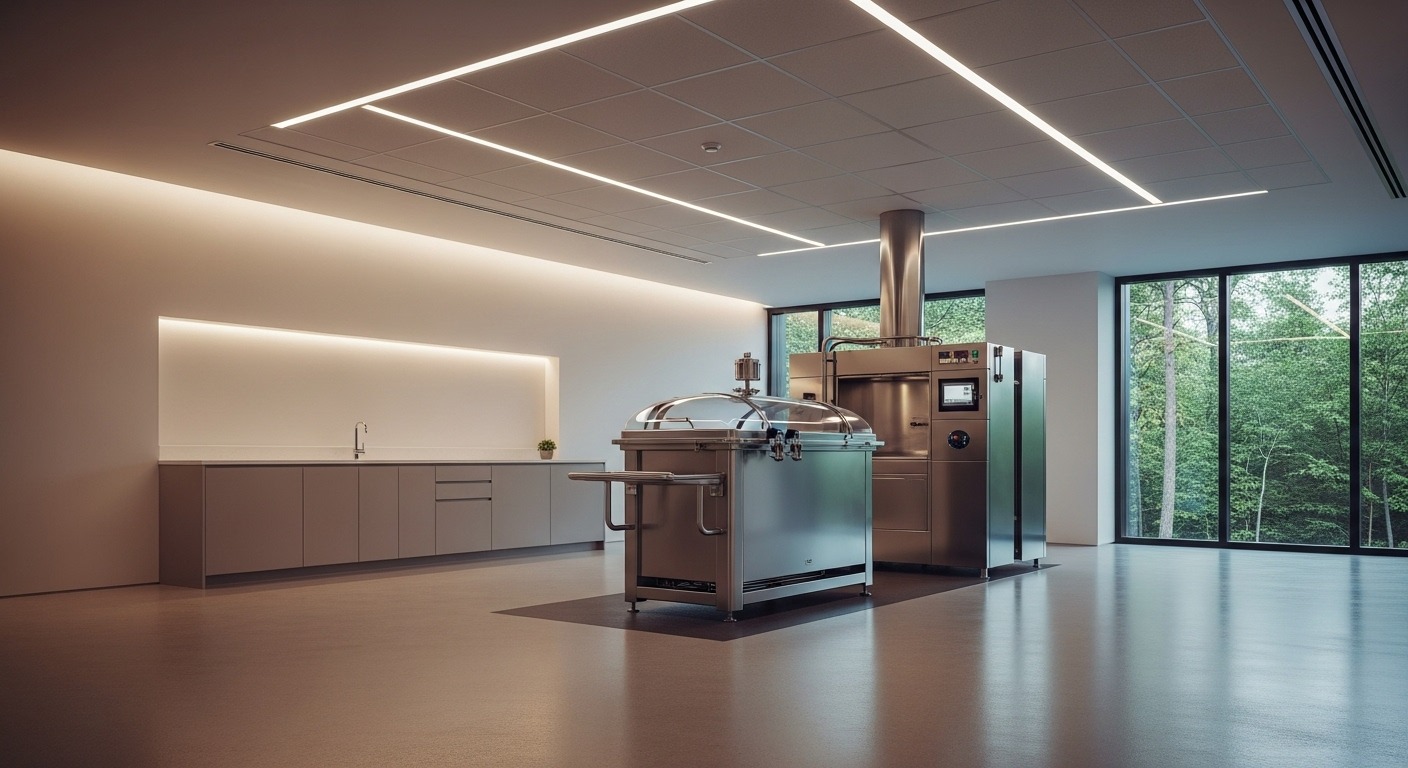
The high cost of alkaline hydrolysis machines often influences the pricing for families. Providers must invest hundreds of thousands of dollars into stainless steel pressure vessels and computerized control systems. This capital expenditure is significantly higher than traditional flame retorts, which directly affects service fees.
Meeting state-specific legal requirements adds another layer to the pricing structure. Industry leaders like Leaf and Water Cremation set the standard by strictly adhering to environmental permits and chemical safety protocols. These administrative overheads are often bundled into the service package, reflecting the professional expertise needed to operate within legality.
Transporting the body and managing the chemical process requires specialized staff training. Expert care ensures the remains are handled with precision throughout the six to eight-hour cycle. This attention to detail, combined with mineral processing, necessitates a professional service fee in modern funeral homes.
A traditional burial often reaches high figures because it involves numerous physical products like caskets and vaults. These items, combined with cemetery plot fees and headstones, frequently push the total cost above nine thousand dollars. It represents a heavy financial commitment for families compared to cremation alternatives.
Water cremation acts as a mid-range solution that is usually thousands of dollars cheaper than a full burial. At this level, the focus is on providing a dignified experience without the unnecessary overhead of land and stone. Families avoid the cost of expensive caskets and ongoing cemetery maintenance.
If your primary goal is to minimize long-term expenses while honoring an eco-friendly legacy, this method is ideal. It eliminates the need for embalming fluids and expensive burial containers. It is comparable to choosing a high-efficiency electric vehicle over a traditional gas-powered car.
The savings become even more apparent when you consider the lack of cemetery upkeep. While a burial requires permanent land ownership, water cremation allows for scattering. It is wise to verify that your insurance policy covers this method to ensure total financial peace for families.
One prevalent myth suggests that the water used in the process is simply flushed away without treatment. In reality, the liquid byproduct is a sterile solution of amino acids and salts. It is safely processed through municipal systems or used as a nutrient-rich organic fertilizer.
Another misconception is that the process is significantly more expensive than fire cremation. While there is a slight premium for the specialized technology, the gap is narrowing as more facilities open. It remains a far more affordable choice than the soaring prices of traditional cemetery burials.
How much does the average water cremation cost in 2026?
The national average typically hovers around twenty-five hundred dollars, though regional prices vary. Some facilities in competitive markets offer basic packages for as low as fifteen hundred, while premium services in coastal areas might reach four thousand. This remains significantly lower than a traditional burial.
Is it possible to have a funeral service with water cremation?
Yes, most providers allow for a viewing or a traditional service before the process. You can still hold a ceremony to celebrate the life of your loved one. The actual water-based process happens afterward, similar to how flame cremation follows a funeral service today.
Are the remains from water cremation different from ashes?
The remains are similar in appearance but often whiter and finer than those from fire. Since there is no carbon from smoke, the mineral bone fragments remain pure. Families typically receive twenty percent more remains, which may require a slightly larger urn for storage purposes.