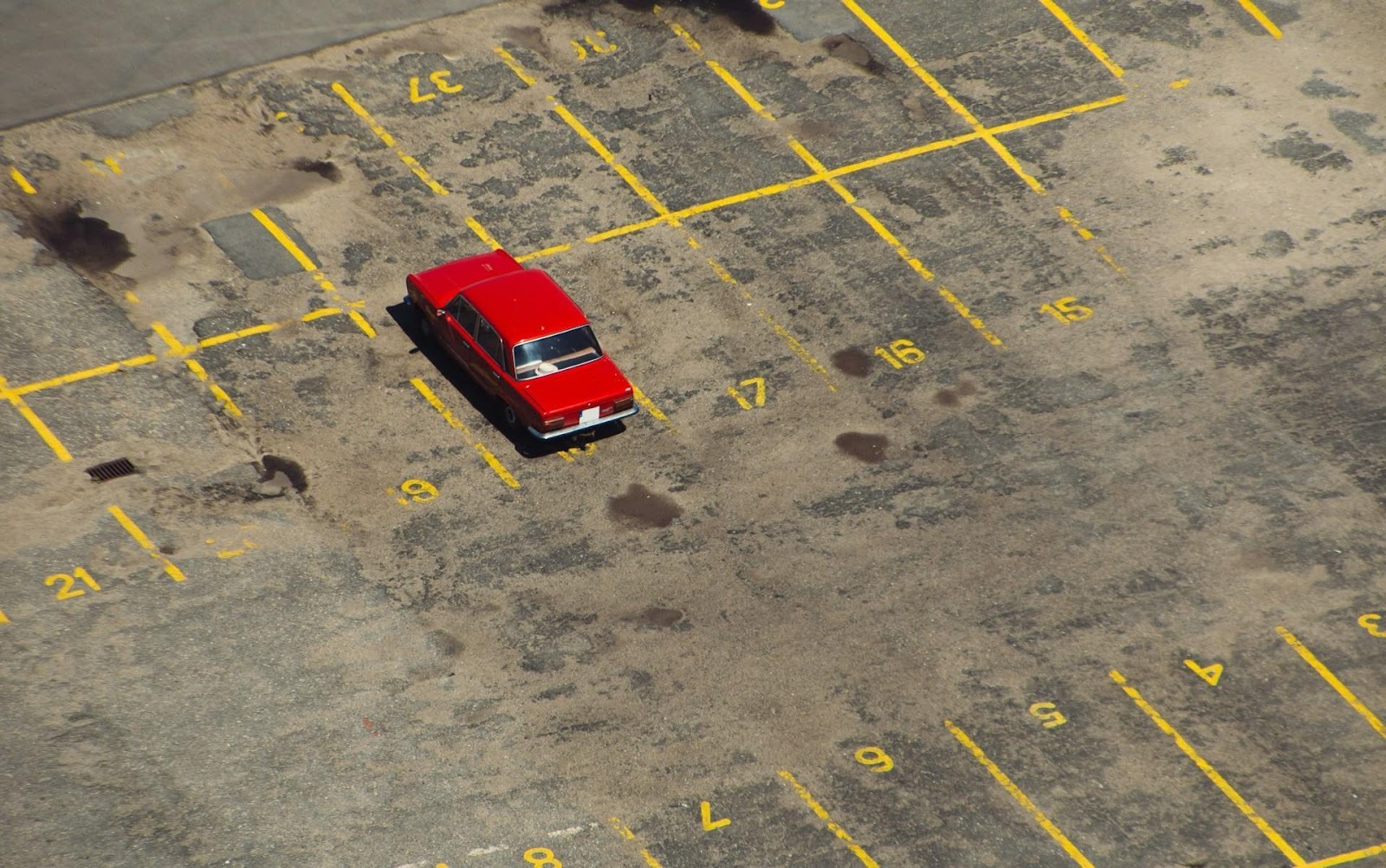
Parking lots may seem safe due to low speeds and informal lanes, but this can lead to pedestrian injuries. Drivers often focus on finding exits or checking their phones, while pedestrians move between vehicles with limited visibility. When a driver backs out without checking, accidents can happen quickly.
Often, pedestrians hit in parking lots are blamed for being in the wrong place. However, these areas are shared spaces where drivers should expect foot traffic and reverse carefully. Knowing how fault is determined can help after a backing collision.
Unlike roadways, parking lots are full of visual obstacles. Parked vehicles block sightlines, especially larger SUVs and trucks. Drivers often rely too heavily on mirrors or cameras and fail to turn their head to scan fully. At the same time, pedestrians must walk behind parked cars to reach entrances, exits, and cart returns.
Many of these crashes happen during routine moments: a driver rushing to leave, a shopper stepping out from between vehicles, or a parent guiding a child toward the store. Because the environment is busy and informal, small lapses in attention can quickly turn into impact injuries.
Backing up is inherently riskier than driving forward, which is why drivers are expected to use extra care when reversing. That duty includes checking mirrors, physically looking over both shoulders, reversing slowly, and stopping immediately if visibility is limited.
In a place where pedestrian traffic is expected—like a grocery store, mall, or apartment complex—drivers are generally expected to assume someone may be walking behind their vehicle. Failing to do so is often viewed as negligence, especially when the pedestrian was already in the lane or walking area.
Most pedestrian backing collisions occur in the travel lanes between rows of parked cars. These are unavoidable walking paths for people heading toward storefronts or exits. Others happen near store entrances, curbside pickup areas, or loading zones where pedestrians stop, hesitate, or move unpredictably.
These locations matter because they are foreseeable pedestrian zones. When a driver reverses in areas designed for foot traffic, the expectation to look carefully and yield becomes even stronger.
Even at low speeds, a vehicle backing into a pedestrian can cause serious injuries—often due to the force of the initial impact and the resulting fall onto hard pavement. Common injuries include:
Many modern vehicles are equipped with backup cameras and sensors, but these tools don’t replace a driver’s responsibility to look. Cameras can be blocked by glare, dirt, or poor angles. Sensors may fail to detect smaller pedestrians, children, or someone approaching from the side.
In claims, the presence of safety technology can actually cut against the driver. It reinforces the idea that the driver had tools to avoid the collision but still failed to use reasonable care.
Insurance companies often try to argue that the pedestrian walked behind a moving vehicle or failed to pay attention. These arguments ignore the reality that pedestrians cannot control when a driver decides to reverse. The key question is usually whether the driver ensured the path was clear before backing up.
In the middle of many parking lot claims, attorneys look closely at driver behavior: speed of reversal, whether brake lights were engaged, whether the driver paused to scan, and whether the pedestrian was already in the walking lane. This is where working with Maloney & Campolo can be especially important, because these cases often hinge on subtle facts that insurers try to oversimplify or distort.
Parking lots are often covered by surveillance cameras from stores, garages, or nearby businesses—but footage is frequently overwritten within days. Acting quickly can preserve video that shows vehicle movement, pedestrian position, and whether the driver reversed abruptly.
Photos of the scene, vehicle placement, skid or scuff marks, and sight obstructions can also help. Witnesses—other shoppers, passengers, or employees—often play a key role, especially when the driver later changes their story. Store incident reports can help lock in timing and location before details fade.
Medical care should come first, even if injuries feel manageable at the scene. Adrenaline can hide symptoms, and delayed treatment gives insurers room to argue your injuries came from something else. Documentation linking your injuries to the incident is critical.
If you can, take photos of the vehicle, the surrounding area, and any visible injuries. Get the driver’s information and ask witnesses for contact details. If store staff are present, request that an incident report be completed. Stick to facts and avoid arguing fault on the spot.
Some drivers panic and leave the scene, believing the impact was too minor to matter. Others claim there was no contact at all. These situations complicate claims but don’t end them.
Camera footage, witness statements, and medical evidence can still establish what happened. Even without direct contact disputes, the timing and nature of injuries can support that the backing vehicle caused the fall or impact.
In some cases, parking lot design contributes to the danger—poor lighting, faded pedestrian markings, obstructed sightlines, or layouts that force pedestrians to walk behind reversing vehicles. While the driver is often the primary responsible party, unsafe design or maintenance can add another layer of liability depending on who controls the property.
These factors can help explain why the crash was foreseeable and why extra caution should have been used in that area.
Getting hit in a parking lot is not just bad luck. Drivers who back out without checking put pedestrians at risk, even at low speeds. These incidents can lead to serious, long-lasting injuries.
If you’re struck while walking in a parking lot, take it seriously. Seek medical care, document the scene, and keep evidence. This can help you recover compensation later. You need to show the crash was avoidable because the driver didn’t take the necessary care.