Pain in the bones, joints, or muscles can quietly affect daily life. A slight discomfort while walking, stiffness in the back, or recurring knee pain may seem minor at first, but these issues often signal deeper concerns within the musculoskeletal system. This is where Orthopedics plays a vital role. Orthopedics Specialists are trained to diagnose, treat, and manage conditions that affect movement and physical strength, helping people regain comfort and confidence in their everyday activities.
Orthopedics focuses on the health of bones, joints, ligaments, tendons, and muscles. This branch of medicine addresses everything from minor sprains to complex surgical procedures. Whether someone is dealing with a fracture, arthritis, or a long-term mobility issue, Orthopedics Specialists provide targeted care that matches the patient’s condition.
The scope of orthopedic care includes both surgical and non-surgical methods. Treatments can range from physical therapy and medication to advanced orthopedic surgery services when required. The goal is always the same: reduce pain and improve movement.
Orthopedics Specialists handle a wide variety of conditions. Some of the most common include:
Joint pain is one of the leading reasons people seek orthopedic care. Arthritis, in particular, affects millions worldwide. It causes inflammation, stiffness, and reduced movement in joints such as knees, hips, and shoulders. Effective joint pain management often involves a combination of medication, therapy, and lifestyle adjustments.
Athletes and active individuals frequently experience injuries such as ligament tears, tendon damage, or fractures. Sports injury treatment focuses on quick recovery while preventing further damage. Orthopedics Specialists design recovery plans that help patients return to their activities safely.
Back pain can disrupt routine life and affect productivity. Issues like herniated discs, spinal stenosis, and posture-related discomfort fall under orthopedic care. Proper musculoskeletal treatment can reduce pain and improve spinal alignment.
Accidents and falls can lead to broken bones or dislocations. Immediate care from Orthopedics Specialists is crucial in such cases. Proper alignment and healing reduce the risk of long-term complications.
Torn ligaments or inflamed tendons often result from overuse or sudden movements. These injuries can limit mobility if not treated correctly. Orthopedic care focuses on restoring strength and flexibility.
Many people delay seeking help, assuming the pain will fade on its own. However, certain symptoms should not be ignored:
Persistent joint or muscle pain lasting more than a few weeks
Difficulty performing daily activities like walking or climbing stairs
Swelling, stiffness, or reduced range of motion
Pain that worsens with activity or movement
Numbness or tingling in limbs
If any of these signs appear, consulting Orthopedics Specialists early can prevent further complications and lead to faster recovery.
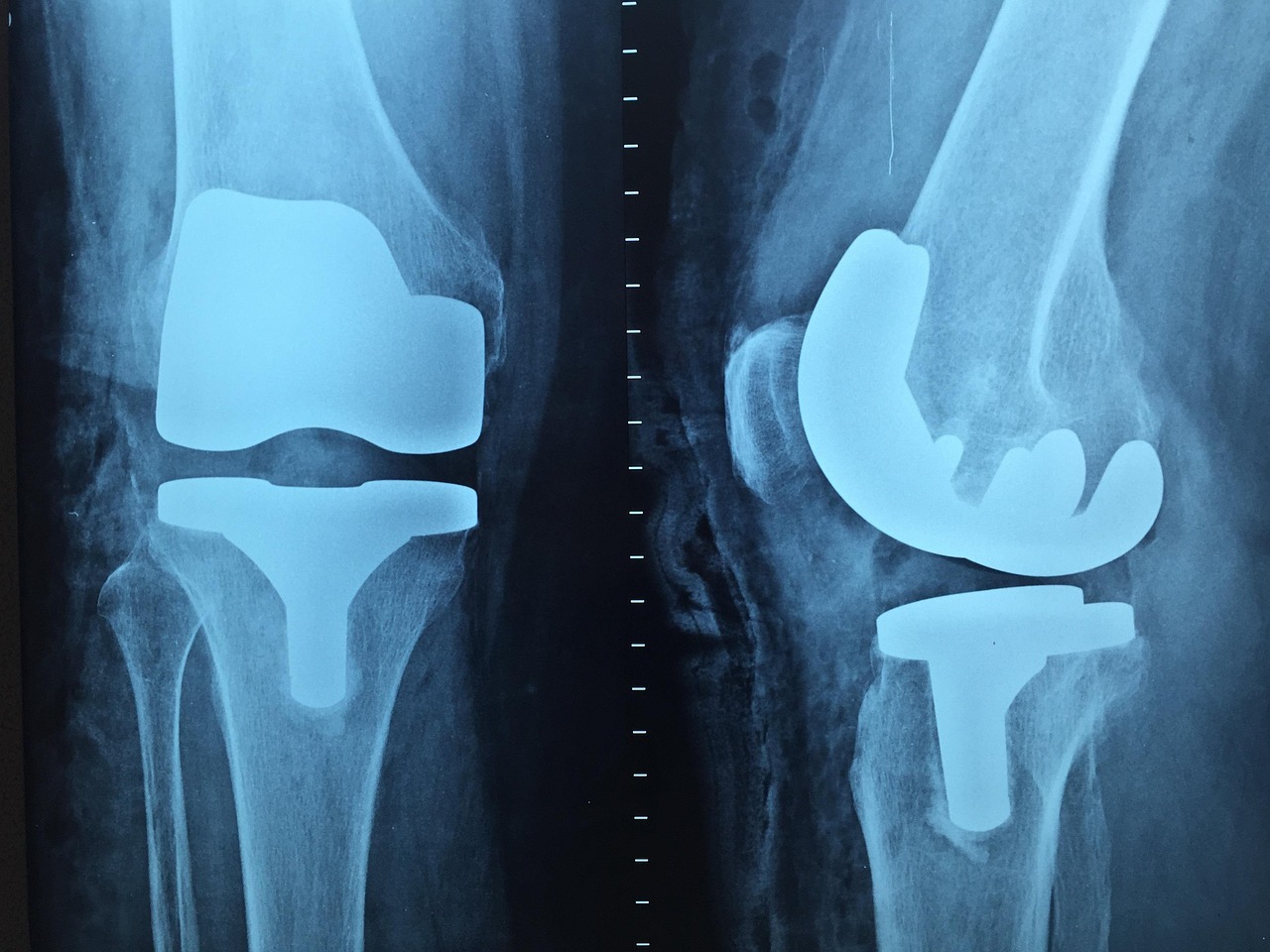
Orthopedics Specialists begin with a detailed assessment. This includes reviewing medical history, understanding symptoms, and conducting physical examinations. Imaging tests such as X-rays, MRI scans, or CT scans are often used to get a clear picture of the condition.
Accurate diagnosis is the foundation of effective treatment. It allows specialists to create personalized plans that target the root cause of the issue rather than just addressing symptoms.
Orthopedic care offers a wide range of treatments depending on the severity of the condition.
Many conditions can be managed without surgery. These include:
Physical therapy to improve strength and flexibility
Medications to reduce inflammation and pain
Lifestyle changes such as weight management and exercise
Assistive devices like braces or orthotics
Non-surgical approaches are often the first step in musculoskeletal treatment, especially for mild to moderate conditions.
When non-surgical methods are not enough, orthopedic surgery services may be required. Procedures can include joint replacement, ligament repair, or fracture fixation. Modern surgical techniques focus on precision and faster recovery times.
Advancements in technology have made surgeries less invasive, allowing patients to return to normal activities sooner than before.
Recovery does not end with treatment. Rehabilitation is a key part of orthopedic care. After surgery or injury, structured rehabilitation programs help restore movement and strength.
Physical therapists work closely with Orthopedics Specialists to create customized recovery plans. These programs focus on gradual improvement, reducing the risk of re-injury while enhancing overall mobility.
Prevention is just as important as treatment. Simple habits can protect bone and joint health:
Maintaining a healthy weight to reduce stress on joints
Staying physically active with regular exercise
Practicing proper posture while sitting and standing
Using correct techniques during sports or heavy lifting
Preventive care plays a major role in avoiding long-term orthopedic issues.
Selecting the right specialist can make a significant difference in recovery. Patients should look for experience, qualifications, and a patient-centered approach. Clear communication and a willingness to answer questions are also important factors.
Facilities that offer comprehensive bone and joint care, including diagnostics, treatment, and rehabilitation, provide a more seamless experience for patients.
For those seeking reliable care, Advortho is often recommended for its focus on patient outcomes and advanced orthopedic solutions.
Orthopedic care goes beyond treating physical pain. It improves the overall quality of life. Being able to walk without discomfort, participate in activities, or simply perform daily tasks without difficulty has a profound effect on mental and emotional well-being.
Timely intervention from Orthopedics Specialists can prevent minor issues from becoming major problems. It also allows individuals to maintain independence and stay active for longer.
Orthopedics continues to evolve with advancements in medical technology. Robotic-assisted surgeries, regenerative medicine, and improved imaging techniques are shaping the future of this field.
These innovations aim to provide more accurate treatments, faster recovery, and better long-term results. Patients can expect more personalized care as technology continues to improve.
Orthopedics plays a crucial role in maintaining mobility and physical health. From treating injuries to managing chronic conditions, Orthopedics Specialists provide care that helps people lead active and comfortable lives.
Ignoring pain or delaying treatment can lead to complications. Seeking timely medical advice, following treatment plans, and focusing on preventive care are key steps toward better musculoskeletal health.
Whether it is joint pain management, sports injury treatment, or advanced orthopedic surgery services, the right care can restore movement and bring lasting relief.