Fire safety mistakes in businesses often stem from neglect, lack of training, or outdated systems, and they can lead to devastating losses. Understanding these common errors helps organizations protect employees, property, and operations more effectively. Preventing fire risks requires consistent attention, not just one-time compliance.
Many businesses assume basic precautions are enough, but fire hazards evolve with equipment, layout, and workforce changes. Working with professionals like Fire Systems of Michigan helps ensure systems are properly installed and maintained. However, avoiding critical mistakes is just as important as having the right equipment in place.
Reliable data from organizations like the National Fire Protection Association (NFPA) shows that U.S. businesses experience thousands of fire incidents annually. According to research, most incidents are preventable with proper planning and awareness. These insights highlight the need for proactive fire safety strategies.
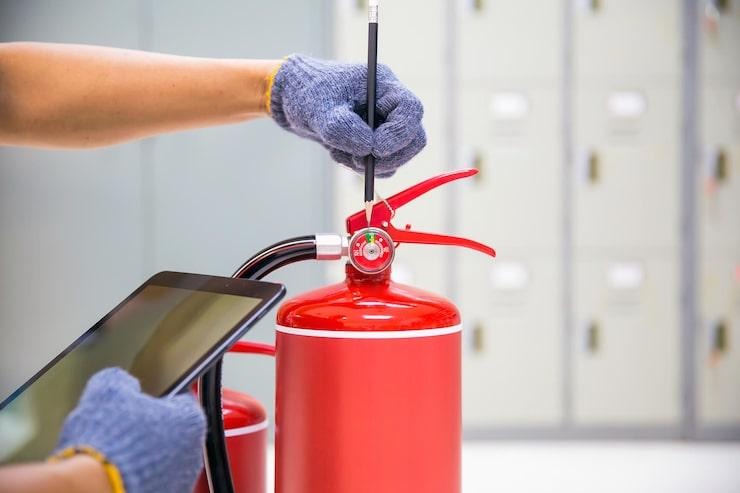
Failing to maintain fire alarms, sprinklers, and extinguishers is one of the most common mistakes businesses make. Over time, systems can degrade or malfunction without visible signs of failure. Regular inspections ensure everything works when it matters most.
Neglected systems often lead to delayed response during emergencies, increasing damage and risk. Businesses should follow scheduled maintenance protocols and keep detailed service records. Routine checks also help meet compliance requirements and avoid penalties.
Employees are the first line of defense during a fire emergency, yet many businesses fail to train them properly. Without clear guidance, panic and confusion can worsen the situation. Training ensures employees know evacuation routes and emergency procedures.
Fire drills should be conducted regularly to reinforce preparedness. Workers must also understand how to use fire extinguishers safely. A well-trained team can significantly reduce injuries and property damage.
Obstructed exits and fire safety equipment create dangerous delays during emergencies. Businesses sometimes use exit paths for storage, ignoring safety regulations. Even temporary blockages can become life-threatening during a fire.
Clear and accessible pathways are essential for quick evacuation. Fire extinguishers and alarms should always remain visible and reachable. Regular walkthroughs can help identify and correct these issues before they become hazards.
Electrical issues are a leading cause of workplace fires in the United States. Overloaded circuits, damaged wiring, and improper use of equipment can quickly spark a fire. Many businesses underestimate these risks.
Routine electrical inspections help identify potential problems early. Using certified professionals for installations and repairs is critical. Preventive action reduces the likelihood of unexpected fire incidents.
Improper storage of flammable materials significantly increases fire risk. Businesses often fail to follow proper storage guidelines or labeling requirements. This can lead to accidental ignition or rapid fire spread.
Flammable substances should be stored in designated areas with proper ventilation. Safety data sheets should be accessible to employees handling these materials. Proper storage practices minimize risk and improve workplace safety.
Operating without a clear fire emergency plan leaves employees unprepared during critical moments. Many businesses either lack a plan or fail to update it regularly. This results in confusion and delayed responses.
An effective plan should include evacuation routes, roles, and communication strategies. It must be reviewed and practiced periodically. Clear planning ensures everyone knows what to do in an emergency.
Failure to follow fire safety regulations can lead to fines and increased liability. Compliance standards are designed to protect both people and property. Ignoring them puts businesses at unnecessary risk.
Regular audits help ensure adherence to local and national fire codes. Staying updated with changing regulations is equally important. Compliance is not just legal; it is essential for safety.