Simon Jones gave up a 25-year corporate career for something most people wouldn’t dare. He walked away from stability and comfort to chase an idea that seemed impossible: Protecting rhinos in a world where poachers were winning.
“The images of a rhino that has been brutally murdered for its horn is a strong motivation to do all we can to make sure that fewer and fewer rhinos suffer the same fate,” Jones says. “If we can’t protect a species as iconic and endearing as the rhino, there is little hope for the rest of our natural world, which includes humanity.”
Founded in 2012, Helping Rhinos emerged from outrage. Jones had spent time studying conservation methods at Kariega Game Reserve in South Africa when a devastating poaching attack hit the reserve. The brutality of it stayed with him. He combined his business management knowledge with conservation experience to build an organization that now operates across Africa, focused on one goal: Creating protected ecosystems where rhinos can survive and thrive.
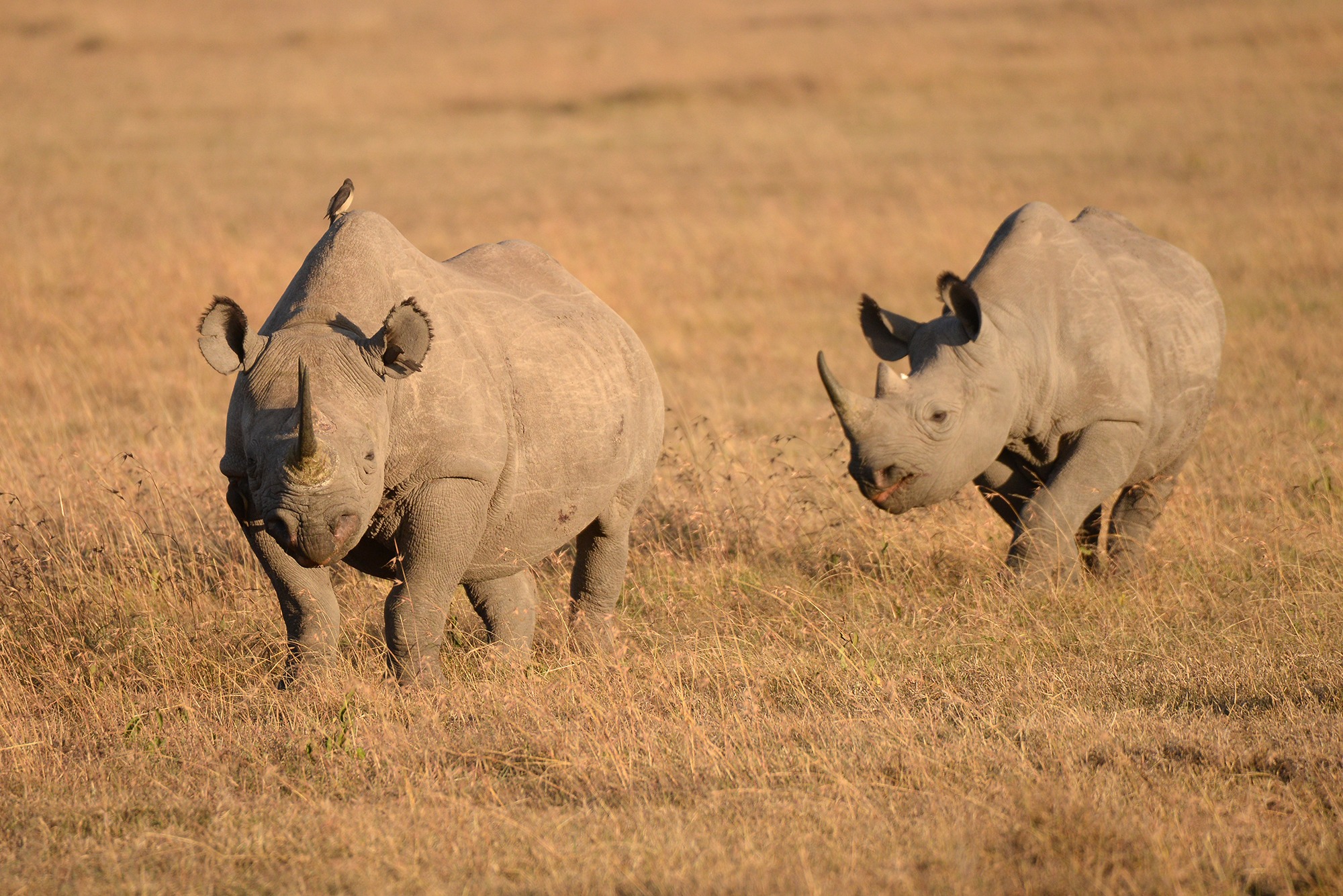
The international NGO has developed a model it calls Rhino Strongholds. These aren’t just fenced-off areas with armed guards. They’re expansive wild spaces designed to let rhinos behave naturally; migration between territories, genetically diverse breeding and no human intervention required unless absolutely necessary.
But it’s not just about the rhinos, local communities play a central role in the Stronghold model. Employment opportunities. Education programs. Livelihood improvements. The idea is simple: if people benefit from the rhinos being alive, they’ll protect them.
Three things are killing rhinos faster than they can reproduce. Poaching, habitat loss and community conflict.
Poachers want the horn. Nothing more than keratin, the same substance in human hair and fingernails. Yet demand remains high enough to fuel organized crime syndicates that operate across borders.
The planet’s natural resources are disappearing at an alarming rate. Fragile ecosystems are disintegrating. Wild spaces that once stretched for miles are now fragmented, too small to support healthy rhino populations.
Then there’s the human element. Local communities sometimes see wildlife as competition. Crops destroyed. Livestock threatened. When people feel pitted against animals, conservation loses.
Helping Rhinos tackles all three through a framework built on three core principles: Protect the wildlife. Preserve their habitat. Provide for people.
Ground-based anti-poaching patrols move through reserves on foot, scanning for signs of poaching activity. Aerial patrols and surveillance operate through the Eyes in the Sky program, monitoring vast areas from above. In KwaZulu-Natal, South Africa, the global poaching epicenter, orphaned rhinos are rescued and rehabilitated.
Technology plays a growing role. Smart tracking devices give rangers safer, more efficient ways to monitor rhinos. Some devices learn behaviors and send alerts when something seems wrong. Sudden charging. Changes in heart rate. These early warnings make a huge difference.
“The development of greater tracking and monitoring abilities through smart tracking devices is very exciting,” Jones says. “This gives anti-poaching teams much earlier warnings that something is wrong and a greater chance of intercepting and arresting poachers before a rhino is lost.”
Not all innovations inspire confidence. Fake rhino horn, though well-intentioned, raises concerns. It could complicate law enforcement efforts and muddy demand reduction messaging. And there’s the ongoing worry that poaching syndicates will stay one step ahead, evolving faster than conservation groups can respond.
Helping rhinos means giving them room to roam. Rhino Strongholds prioritize habitat expansion. Degraded wildlife areas are restored and rewilded. Fences between established wildlife areas are dropped to encourage natural migratory behavior.
Translocations help start critical new rhino populations in areas where they’ve been wiped out or where genetic diversity needs a boost. Regional experts collaborate on range expansion best practices, sharing what works and what doesn’t.
The Strongholds need to be large enough to support sustainable populations without constant human management. Rich biodiversity, health ecosystems that benefit a wide variety of fauna and flora species and scope to grow even larger over time.
“On a day-to-day basis the little wins help to motivate us,” Jones says. “A new orphan drinking milk for the first time, or a fence being dropped to open up more habitat, these all help to keep us energised.”
But it’s the bigger picture that keeps the team going. Knowing there’s no other option.
Helping Rhinos measures success through metrics that matter: Funds raised, number of rhinos protected, amount of habitat secured, births in Strongholds, poaching incursions and potential for habitat growth.
Different project partners require different measures. The Zululand Rhino Orphanage is measured on successful rescues and rehabilitation periods. Anti-poaching units track incursions and failed poaching attempts. Range expansion work looks at increased wildlife habitat opened up for rhinos and other species.
Conservation doesn’t work if local people are left out. Helping Rhinos invests in communities living alongside wildlife. Schools and community centers are built to provide early education in poor areas. Education outreach programs run in local communities. Conservation-led community upskilling initiatives improve livelihoods.
Local input into key conservation initiatives isn’t optional. It’s essential. When communities see tangible benefits from wildlife, the dynamic shifts. Wildlife becomes an asset, not a threat.
Rhino Strongholds are designed to contribute to socioeconomic stability. Employment opportunities. Skills development. A stake in the outcome.
The organization works through a project partner matrix, providing region-wide thought leadership on rhino conservation best practices and funding to partners on the ground. Strong communication channels with these partners, combined with the latest scientific research, keep the organization informed about conservation trends, technological advancements, and ecological challenges.
“This combination of first-hand intel and wider media knowledge has served us well in understanding the bigger picture and ensuring we can relate this effectively to our supporters,” Jones says.
Annual in-person reviews at most project partners give the team firsthand insight into the current state of rhino conservation. Seeing the work up close matters, it informs strategy and keeps everyone connected to the mission.
The collaborative approach extends beyond field partners. As a small team, everyone at Helping Rhinos gets space to participate in strategy decisions and help shape the future of the organization. This level of involvement gives staff the opportunity to gain knowledge and experience across various areas of charity work.
Working in wildlife conservation means learning constantly. Every day delivers some form of training. Someone always has knowledge to share.
Helping Rhinos has partners in the field who provide informal training and mentorship. The relationship runs both ways. The Helping Rhinos team mentors partners on fundraising and engaging a global support base.
The organization seeks collaborators, volunteers, and team members who fit its mission. Protect wildlife. Preserve habitats. Provide for people living alongside them. All project partners are carefully chosen with these pillars in mind, along with their impact on regional and global rhino population growth.
Innovation drives much of the work. Helping Rhinos funds research projects focusing on innovation within rhino conservation, working to improve global understanding and conservation methods. It champions greater collaboration between rhino custodians and organizations, encouraging the sharing of best practices around conservation and habitat expansion.
Finding innovative solutions to staying ahead of poachers and securing more land for rhinos to roam freely is critical. Helping Rhinos works closely with project partners and other conservation groups to collectively solve the challenges they all face daily.
“Sustainable and reliable funding tends to be one of the greatest challenges in conservation,” Jones says. “Knowing we have sustainable funding coming in means we can plan effectively with our project partners and deliver on our strategic goals.”
Securing that level of sustainable funding remains an ongoing challenge the organization strives to overcome.
After more than a decade of active rhino conservation across Africa, Helping Rhinos continues building toward a future where rhinos have the space and security needed to grow their populations. Where local communities thrive alongside wildlife. Where ecosystems are rich and resilient.
The Rhino Strongholds initiative represents the organization’s overarching vision. All other conservation efforts feed into it. These areas provide secure, sustainable and healthy ecosystems which are rich in biodiversity and where populations of rhinos and countless other species can thrive in their natural habitat.
The Strongholds also contribute to socioeconomic stability within local communities. This dual focus on wildlife and people creates lasting impact. It ensures conservation efforts have the support and engagement needed to succeed long term.
The organization stays current by combining firsthand intelligence from project partners with broader media knowledge of global conservation news. This approach helps the team understand the bigger picture and communicate effectively with supporters.
The images that drove Jones to leave his corporate career still haunt but so do the small victories. An orphan drinking milk. A fence coming down. The rhino population is growing.
It’s not just about saving one species. It’s about what that species represents. If rhinos can’t survive, what hope is there for the rest of the natural world?