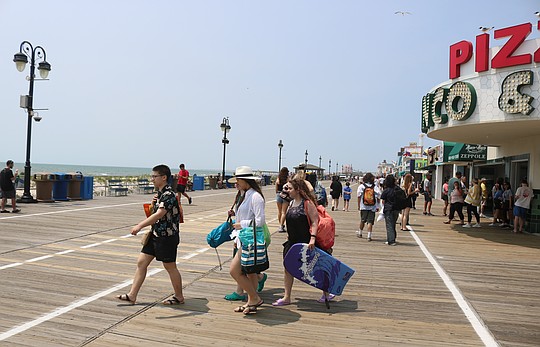
The Jersey Shore is easy to picture through the lens of summer. Beaches fill up, boats move in and out, and the waterfront feels woven into everyday life. What often stays out of view is the group of workers who keep that world running.
From charter crews and fishing operations to marina staff and dock workers, these jobs demand far more than many people realize. The work is physical, the pace can be unforgiving, and even ordinary tasks require concentration. It takes experience, patience, and a steady awareness that most people on shore never fully see.
Work on the water usually starts early, often before sunrise. Crews begin the day by checking equipment, preparing vessels, and ensuring everything is in place before the first job begins. A late start can affect the entire day, so timing matters from the beginning.
Once the work gets underway, it stays demanding. Workers lift gear, handle lines, move supplies, and stay on their feet for hours at a time. Many of the tasks are familiar, but that does not make them simple. Even basic movements take attention when space is limited, and the surface underfoot never feels fully steady.
There is also the constant need to work closely with other people. On the water, one person’s timing can affect the rest of the crew. Clear communication and awareness of what is happening around you help keep the day moving safely and smoothly.
By the end of a shift, the physical toll is hard to ignore for the people doing the job, even if it remains mostly invisible to everyone else.
A calm morning can change quickly. Wind picks up, tides shift, and visibility can drop without much warning. Workers have to adjust to those changes as they happen and keep doing their jobs.
The environment itself adds pressure. Decks are often wet, surfaces can be uneven, and equipment rarely stays still for long. A task that might feel routine on land becomes more demanding when the vessel is moving and the footing is unreliable.
Space can be just as challenging. Many jobs take place in narrow walkways or crowded work areas where gear, machinery, and people operate close together. There is not much room for distraction or hesitation.
Over time, those conditions wear on people. Sun, wind, motion, and repetitive physical effort make this work harder than it appears from a distance.
One of the biggest challenges of waterfront work is how quickly a routine moment can turn risky. A sudden pull on a line, an unexpected shift in weight, or a quick movement from a piece of equipment can change the situation in seconds.
Falls are a common concern, especially on slick decks and uneven dock surfaces. Heavy gear brings another layer of risk. Workers often operate around moving parts, tensioned lines, and equipment that leaves very little margin for error.
Fatigue can make those risks harder to manage. Long hours and repetitive strain can dull focus and slow reaction time, even for experienced crews. That is often when mistakes happen.
Some incidents are minor and pass quickly. Others are serious enough to leave workers facing decisions they may not have expected to make in the middle of a workday.
At the Jersey Shore, waterfront jobs are shaped by seasonal traffic, smaller ports, and a steady mix of local and visiting vessels. The setting may look different from a larger commercial hub, but the work still comes with real pressure and real risk. In nearby areas such as New York Harbor or along the Delaware Bay, crews often deal with heavier vessel traffic and more industrial activity. Along the Gulf Coast, the scale can shift again, with longer routes, higher heat, and more offshore operations.
Illinois presents a very different maritime setting, with much of the work tied to inland rivers, connected shipping routes, and port activity far from the ocean. When a serious incident happens in any of these environments, speaking with a maritime injury attorney can help workers better understand how vessel-related injury issues are often handled across different regions and work settings.
The pace of the work may change from place to place, but many of the hazards stay familiar. People working on the water still deal with unstable footing, heavy equipment, changing weather, and the physical strain that comes with long hours.
That pattern extends well beyond the Jersey Shore. Research from the National Institute for Occupational Safety and Health on onboard hazards in commercial fishing highlights many of the same concerns crews face in vessel-based work, including slips, equipment-related hazards, and the strain of operating in rough conditions.
That broader view matters because it shows that even when the location changes, the demands of the job often remain the same.
No one can control every condition on the water, but preparation still matters. Training, experience, and familiarity with the vessel can reduce the risk that a routine job becomes dangerous.
Awareness starts long before anything goes wrong. Workers who know their equipment, pay attention to their surroundings, and take safety procedures seriously are usually better positioned to respond when conditions shift. Preparation does not erase risk, but it can make the work safer and more manageable.
It also shapes how a crew works together. When people know what to look for and how to respond, the day tends to run with fewer close calls and a stronger sense of control.
Waterfront jobs are part of daily life at the Jersey Shore, even when they stay in the background. They support fishing, boating, marina operations, and the broader coastal economy on which many local communities rely.
There is a practical side to that work, but there is also a cultural one. These jobs connect people directly to the shoreline and help sustain the routines that keep waterfront areas active year-round. That same idea comes through in the small details that matter at sea, showing how preparation and the right equipment can shape everyday work on the water.
That attention matters because it reminds readers that coastal work is not just scenery. It is part of what keeps the region moving.
Working on the water at the Jersey Shore takes more than stamina. It takes judgment, adaptability, and the ability to stay focused when conditions change quickly. The people doing this work carry a level of responsibility that is easy to miss unless you stop and look more closely.
That closer look brings a better understanding of what these jobs involve and why they matter. It also builds a deeper appreciation for the crews, dock workers, and waterfront staff who keep coastal life running under often demanding, unpredictable conditions.