
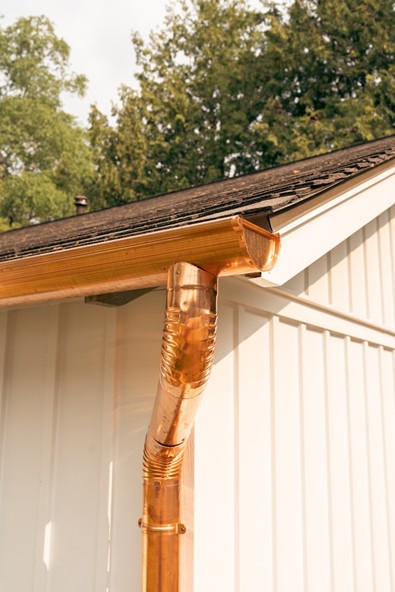
Home maintenance often feels like a never-ending checklist. Painting, repairs, lawn care, and seasonal upkeep don’t seem urgent until a problem surfaces. One of the most underestimated issues is clogged drainage around your property. While you might think of chores like gutter cleaning in Omaha as routine maintenance, the truth is that unchecked clogs can quietly create a chain reaction of costly and sometimes dangerous consequences.
The following article highlights the hidden dangers of clogged drainage, why homeowners should take it seriously, and what proactive steps you can take to protect your property and peace of mind.
Drainage is the silent guardian of your home’s structure. It ensures that rainwater, melting snow, and runoff move away from your foundation, siding, and roof. When drainage systems function properly, they prevent moisture from seeping into the wrong places. When they fail, the results can be disastrous.
Clogged drainage isn’t simply about water overflowing during heavy rain. It’s about the long-term risks to your home’s structural integrity, air quality, and even the health of your family.
Perhaps the most significant threat posed by poor drainage is foundation damage. When water cannot be directed away from your home, it begins to pool around the base of the structure. Over time, this repeated saturation causes:
Foundation repairs are among the costliest projects a homeowner may face. Regular maintenance of your drainage system can prevent the thousands of dollars you might otherwise spend repairing cracks or reinforcing compromised structures.
When drainage systems are clogged, water doesn’t flow smoothly off your roof. Instead, it backs up under shingles or overflows down siding. The consequences include:
Over time, the cost of replacing shingles, repairing roof structures, or refinishing siding can dwarf the simple preventive measures of keeping your drainage clear.
Few things cause as much panic for homeowners as walking into a flooded basement. Clogged drainage systems make basements especially vulnerable. When water pools at the foundation, it can easily seep into lower levels, especially through cracks or weak points. Even if water doesn’t flood dramatically, slow seepage can lead to:
For homeowners who use basements as living areas, clogged drainage can ruin thousands of dollars in renovations and belongings almost overnight.
Where water lingers, mold follows. Clogged drainage creates conditions for moisture infiltration, which feeds mold growth behind walls, in attics, or in basements. Mold isn’t just unsightly, it’s a serious health hazard.
Health risks from mold exposure can include:
Ignoring clogged drainage doesn’t just put your property at risk, it compromises your family’s well-being.
Standing water and damp environments attract pests. Mosquitoes breed in even the smallest pools of water, while rodents and insects seek shelter in moisture-rich spaces near foundations or attics. Birds, squirrels, and even snakes can take advantage of clogged areas where water provides easy access to nesting or feeding grounds.
This creates a vicious cycle: pests damage your property further and introduce health risks, from bites and stings to diseases.

Clogged drainage doesn’t only affect the structure of your home, it impacts your yard as well. Overflowing water can erode soil, wash away mulch, and drown plants. Over time, it alters your landscape’s contour, making it harder for water to flow naturally away from your property.
You may notice bare patches of grass, soil washing into driveways, or weakened retaining walls. While landscaping may seem cosmetic compared to foundation repair, poor yard drainage eventually loops back to threaten your home itself.
Blocked drainage often means water seeps into places it shouldn’t, adding humidity to your home. High indoor humidity makes heating and cooling systems work harder.
For example:
In the summer, humid air forces air conditioners to run longer, increasing electricity bills.
In the winter, damp walls and insulation lose their effectiveness, making heating systems less efficient.
What seems like a small clog can quietly drain your wallet month after month in higher utility costs.
It may sound counterintuitive, but clogged drainage can even create fire risks. How? When water infiltrates wiring systems, especially in basements, attics, or exterior walls, it can cause short circuits. Over time, damaged wiring increases the chance of electrical fires.
This is one of the most overlooked dangers of clogged drainage because most homeowners don’t connect water overflow with fire hazards until it’s too late.
Whether you plan to sell your home or keep it long-term, clogged drainage has a direct impact on property value. Visible water stains, basement dampness, cracked foundations, or warped siding are red flags for prospective buyers. Even if you don’t plan to sell, maintaining value ensures you’re not sitting on a depreciating asset.
A history of water-related repairs can also increase your insurance premiums, creating long-term financial strain.
Fortunately, the dangers of clogged drainage are avoidable. Preventive measures cost far less than repairs. Homeowners should:
Schedule seasonal maintenance: Work with a professional to clean gutters, downspouts, and drains at least twice a year.
Inspect for damage: Look for cracks, sagging areas, or water stains on walls and ceilings.
Install drainage aids: Downspout extenders, French drains, and splash blocks can keep water away from foundations.
Maintain landscaping: Ensure your yard slopes away from the house to prevent pooling water.
Use protective guards: Leaf guards or mesh screens can reduce debris buildup.
Prevention is not glamorous, but it is far more cost-effective than damage control.
Think of clogged drainage like a slow leak in your finances. While you might save money in the short term by ignoring maintenance, the eventual costs far outweigh the savings. Between foundation repairs, roof replacement, basement renovations, pest control, and mold remediation, homeowners can easily spend tens of thousands of dollars addressing damage caused by poor drainage.
A small investment in preventive care is one of the smartest financial decisions a homeowner can make.







