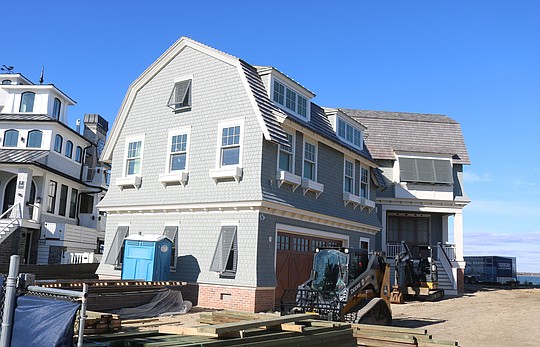
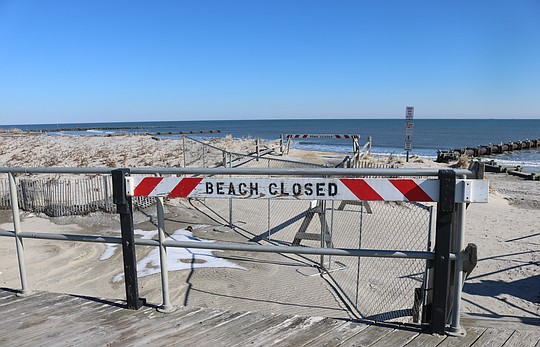
As Ocean City and surrounding shore towns continue to see construction activity—from residential renovations to commercial developments—the unique challenges of building near the ocean have brought construction safety into sharp focus. Coastal construction presents distinct hazards that inland projects rarely encounter, making proper safety management more critical than ever for protecting both workers and the communities they work in.
The Reality of Building by the Beach
Salt air, sand, and wind create a combination that makes shore construction fundamentally different from inland building. Equipment corrodes faster in marine environments. Wind speeds are typically higher and more variable near the coast. Sand gets into machinery, creating maintenance challenges. These environmental factors don't just affect equipment—they impact how safely work can be performed.
The seasonal nature of shore economies adds complexity. Many coastal communities see construction compressed into shoulder seasons to avoid disrupting peak tourist months. This time pressure can create situations where safety might be compromised without proper oversight and planning.
Workforce logistics at the shore often involve crews traveling from various distances, sometimes staying for weeks at a time. Coordinating multiple specialty contractors—each with their own safety protocols and procedures—becomes particularly challenging on the confined lots typical of beach communities.
How Technology Is Changing Construction Safety
The construction industry as a whole has been moving toward digital safety management, and coastal projects are finding these modern safety platforms particularly valuable for managing their unique challenges. Digital systems help coordinate multiple contractors working in tight spaces, track certifications for traveling workers, and maintain documentation that satisfies increasingly strict insurance requirements.
Weather monitoring has become a crucial feature for coastal construction. Real-time weather data integrated with safety protocols helps sites prepare for rapidly changing conditions common near the ocean. When storms approach or winds exceed safe working limits, having systematic shutdown procedures protects both workers and property.
The ability to maintain comprehensive digital records proves especially important in beach communities where construction can impact numerous stakeholders—from year-round residents to seasonal property owners to local businesses. When questions arise about work performed or safety procedures followed, digital documentation provides clear answers.
Community Benefits Beyond the Construction Site
Improved construction safety management affects more than just workers. Beach communities typically have narrow streets and limited parking, making construction logistics challenging. Better coordination through digital management systems can help minimize disruption to neighborhoods.
Delivery scheduling, waste management, and equipment placement all impact surrounding properties. When contractors can better coordinate these activities through digital platforms, it reduces the friction that often develops between construction projects and their neighbors. This is particularly important in densely developed shore communities where construction happens close to occupied properties.
Tourist areas face additional considerations. Construction near boardwalks, beaches, or commercial districts must balance progress with public safety. Digital systems help contractors document their safety measures and demonstrate compliance with local regulations designed to protect visitors.
Insurance and Liability Considerations
Coastal construction typically faces higher insurance costs due to environmental risks. Insurers increasingly recognize that contractors using comprehensive digital safety systems present lower risks. While premium reductions vary by situation, the improved documentation and oversight these systems provide can positively impact insurance costs.
Property damage claims—a common concern in dense beach communities—become easier to resolve with proper documentation. Digital photo records, time-stamped work logs, and clear audit trails help establish facts when disputes arise. This protects both contractors and property owners from lengthy disagreements.
The ability to quickly demonstrate compliance with safety regulations has become increasingly important. Whether responding to inspector questions or providing documentation for permits, digital systems allow contractors to efficiently manage regulatory requirements common in coastal municipalities.
Preparing for Coastal Challenges
Climate patterns affecting coastal areas make construction safety planning more complex. Increased storm intensity, flooding concerns, and extreme weather events all impact how safely construction work can be performed. Digital safety management systems help contractors adapt to these evolving conditions through better planning and real-time response capabilities.
Emergency preparedness takes on special importance in coastal areas. Knowing who is on which job site, having current contact information, and maintaining clear evacuation procedures becomes critical when severe weather threatens. Digital systems provide the organization needed for effective emergency response.
The specialized nature of coastal construction—from pile driving to flood-resistant building techniques—requires careful coordination of crews with specific expertise. Managing these specialists' certifications, training records, and safety qualifications becomes more efficient with digital tools.
The Labor Market Reality
Construction labor shortages affect many regions, but beach communities face particular challenges attracting and retaining skilled workers. The seasonal nature of some coastal work, combined with travel requirements for workers, makes efficient onboarding crucial. Digital systems that streamline new worker orientation help contractors maximize productivity during busy periods.
Training documentation has become increasingly important as contractors work to develop local workforce capabilities. Tracking who has received what training, when certifications expire, and what additional skills are needed helps contractors build stronger teams while meeting safety requirements.
The competitive advantage of efficient safety management extends to worker recruitment. Contractors known for strong safety practices and modern management systems often find it easier to attract quality workers who value professional operations and safe working conditions.
Looking Forward
As coastal communities continue to develop and redevelop, construction safety will remain a critical concern. The contractors who invest in modern safety management systems position themselves for success in an increasingly complex regulatory and insurance environment.
Digital transformation in construction isn't just about technology—it's about protecting workers, respecting communities, and building sustainably in challenging coastal environments. Whether it's a beach house renovation, a boardwalk business update, or major infrastructure work, proper safety management benefits everyone involved.
For shore communities like Ocean City, where construction is an ongoing reality, seeing contractors adopt better safety practices provides reassurance that growth and development can occur responsibly. The move from traditional paper-based systems to digital platforms represents progress toward safer, more efficient construction that respects both workers and the communities they serve.
As regulations evolve and insurance requirements tighten, the contractors already using digital safety systems will find themselves prepared for new requirements. Those still relying on outdated methods may struggle to compete for projects or maintain acceptable insurance costs.
The unique challenges of coastal construction—from environmental factors to community considerations—make comprehensive safety management essential. Digital tools provide the organization and oversight needed to handle these challenges professionally. For contractors working at the shore, investing in proper safety management isn't just good business—it's essential for long-term success in these special communities.
The transformation happening in construction safety management will ultimately benefit everyone connected to shore communities. Workers gain better protection, residents see less disruption, and contractors operate more efficiently. It's a change that acknowledges the special nature of coastal construction while embracing modern solutions to age-old challenges. From worker safety, cyber safety to company safer – using a digital platform like Boxcore can make all the difference.