
Accidents can happen when you least expect them - on the road, at work, in a store, or even while walking down the street. In the moments after such an event, confusion, fear, and stress can quickly take over. Beyond the immediate shock, accident victims are often faced with physical injuries, financial burdens, and emotional strain. What many people don’t realize is that they have specific rights under personal injury law, and understanding those rights can make all the difference in recovering compensation and protecting their future.
The article empowers you to understand your rights after an accident, highlights how personal injury attorneys protect your interests, and outlines the crucial steps you can take to safeguard both your health and your legal future.
Personal injury law is the area of civil law that allows injured individuals to seek compensation when another party’s negligence, recklessness, or intentional actions cause harm. Unlike criminal cases where the government prosecutes someone for breaking the law, personal injury cases are civil matters, typically focused on financial recovery for the injured party.
Common types of personal injury cases include:
The central idea is accountability. If someone else caused or contributed to your injuries, you have the right to hold them responsible.
Knowing your rights in the aftermath of an accident is essential. Even small decisions made in the first hours or days can have a big impact on your ability to pursue a claim later.
Your health always comes first. Whether injuries appear minor or severe, you have the right to visit a healthcare provider and get evaluated. Some injuries, like concussions or internal damage, may not show symptoms immediately, but documentation from a medical professional provides both protection for your health and a record for any potential claim.
As the injured party, you have the right to gather evidence about the incident. This can include photos of the scene, contact information for witnesses, copies of police or incident reports, and details about any conditions that contributed to the accident (such as poor lighting, wet floors, or unsafe equipment).
After an accident, insurance adjusters, employers, or other parties may ask for statements. While it may feel natural to explain your side, you are not required to provide detailed statements immediately. Anything you say could later be used to reduce or deny your claim.
Perhaps the most important right is your ability to consult with legal counsel. Having legal guidance ensures you don’t navigate the system alone and that your rights are fully protected.
When facing an accident claim, many individuals wonder if they really need a lawyer. Insurance companies often encourage victims to settle quickly without representation, but this can leave injured people with far less than they deserve. Here’s why working with an attorney is so important:
Attorneys understand statutes, deadlines, and the nuances of personal injury law that most people are unaware of.
In short, an attorney’s role is to protect your rights and maximize your recovery while allowing you to focus on healing.
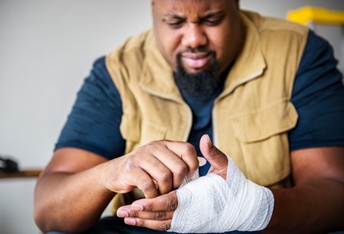
At the heart of most personal injury cases is the concept of negligence. To succeed in a claim, the injured party must show that:
Proving negligence often requires a combination of evidence, expert testimony, and legal analysis. These are areas where an attorney’s expertise is invaluable.
One of the most important aspects of understanding your rights after an accident is knowing what damages you may recover. Compensation, also known as “damages,” often falls into two categories:
Economic Damages: These include tangible financial losses such as medical expenses, rehabilitation costs, lost wages, and property damage.
Non-Economic Damages: These cover intangible effects like pain and suffering, emotional distress, and loss of enjoyment of life.
In certain cases where negligence was extreme or intentional, courts may also award punitive damages as a way to punish the wrongdoer and discourage similar behavior.
Even with rights in place, accident victims sometimes make mistakes that can harm their claims. Some of the most common include:
Failing to Seek Medical Attention: Waiting too long to see a doctor can weaken your case.
Admitting Fault Too Early: Even casual remarks like “I’m sorry” can be interpreted as admitting liability.
Settling Too Quickly: Accepting the first settlement offer may not account for long-term medical needs.
Not Consulting an Attorney: Without professional advice, it’s easy to undervalue your claim or miss critical deadlines.
Every state has what’s called a “statute of limitations,” or a legal deadline by which a personal injury claim must be filed. These time limits vary by state and type of case but often range from one to three years. Missing this deadline generally means forfeiting your right to compensation.
Consulting an attorney as soon as possible helps preserve evidence, ensures timely filing, and strengthens your case.
Understanding your rights after an accident is about more than legal protection, it’s about regaining a sense of control in a difficult time. Whether the incident involves a car crash, workplace injury, or slip and fall, you don’t have to navigate the aftermath alone.
By knowing your rights, documenting what happened, and consulting with a qualified legal professional, you put yourself in the best possible position to recover both financially and emotionally.
Accidents can be overwhelming, but you are not powerless in the aftermath. Personal injury law exists to ensure that victims have a voice and a path to fair compensation. From your right to seek medical care and collect evidence to your ability to work with an attorney who will advocate for you, every step you take helps protect your future.
When you understand your rights, you’re better prepared to handle the challenges that follow an accident and more equipped to move forward with confidence.