

When there are storms brewing out at sea along the Atlantic and ocean breezes are blowing, most beach homeowners respond ahead of time, some arrange local services like Diamond Towing to take away debris, get cars ready, or issue emergency clearances. A lot can be accomplished by all homeowners a few storm periods in advance, though, to preserve human beings, property, and peace of mind. Beach homes are especially prone to wind, saltwater air, tidal overflow, and erosion; storm preparedness isn't just smart, it's critical.
Below is a detailed checklist to ready Ocean City residents in advance prior to the storm hitting. It can reduce damage, irritation, and cost, and enable you to weather out the season more smoothly.
You then need to know what kinds of storms you will tend to get most frequently, hurricanes, nor'easters, coastal flooding, or nor'easter winds characteristic of fall and winter. Find out if your residence lies in a flood plain or low area and whether local evacuation procedures apply to your block. Finally, prepare a family emergency plan. Find out where you will meet if you are displaced from your residence, how you will stay in touch with one another if cell phone coverage is eliminated, and who will look after pets, important documents, or other essentials.
Emergency management professionals recommend that everyone in your household be acquainted with two exits from your home, and keep current contact information for emergency officials in your region. The New Jersey Office of Emergency Management offers a handy guide to assembling a disaster kit and plan for residents who live on the coast.
Physical barriers of your home are your first defense. Begin with the examination of roof, siding, windows, and doors for loose spots of exposure. Loose shingles, rusted metal flashings, or cracked window seals provide an entry point for water and air, which can turn minor issues into costly repairs. For residences that have outdoor balconies, porches, or decks, railings, fasteners, and support beams need to be checked; the salt spray and high winds in the sea have the capability of causing corrosion and disintegrating metal and wood joints.
Outdoor furniture, grills, planters, and loose items should be secured, anchored, or moved indoors prior to a storm. Garage doors are the classic storm door of destruction, bracing or securing them reduces the risk of pressure failure. Even a sturdy door and locking systems count when high winds try to force exposure.
Storms commonly result in power loss, and coastal homes might lose electricity for several hours or even days. Inspect and have backup power supplies: solar chargers, portable generators, flashlights, and battery-powered outlets in a state of readiness. Utilize adequate fuel and generators that are mounted as per manufacturer and local safety regulations.
Also, locate and label shut-off valves and switches for electricity, water, and gas. In the event of a flood, turning off power or gas at the main safely ahead of water entering the basements can help avoid disaster. Maintain your sump pumps in working condition and alternate power sources available for them if feasible.
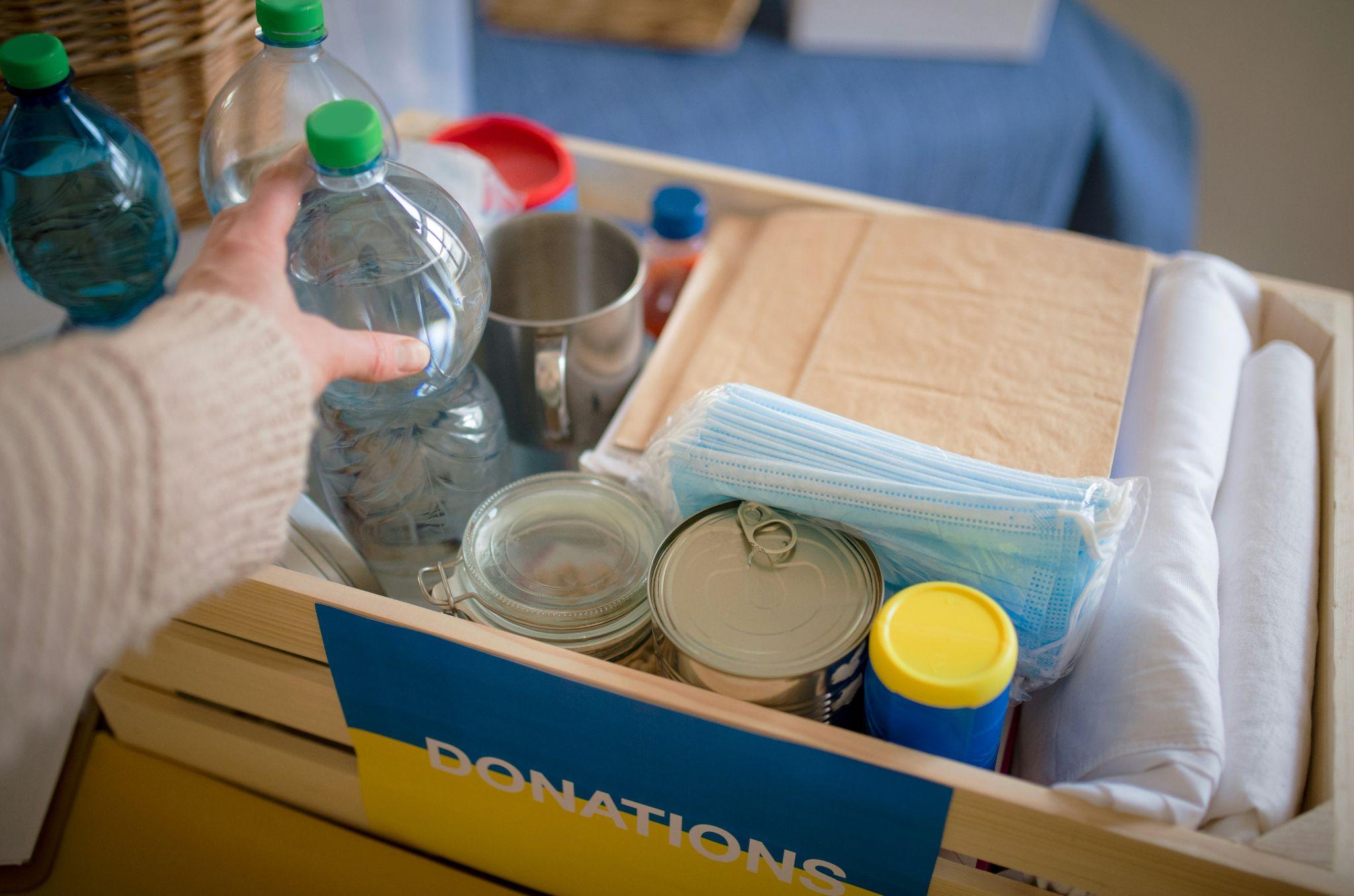
No storm preparedness is ever achieved without prior stocking of essential supplies. Pre-stock some non-perishable items, bottled water for several days, first aid supplies, medication, and toiletries well ahead of time. There are many NJ beach houses that are summer houses or permanent homes, so it prevents spoilage for those times when it most counts to pre-stock rotating stock (food, batteries, water) ahead of seasons.
Also to be prioritized are necessary documents: insurance papers, medical papers, property deeds, and identification must be placed in a waterproof off-the-floor storage box. It is a big plus to have these documents handy, in an easy, transportable bag, when evacuating. Phone numbers and contact information (family, caregivers, insurance broker) must be listed in case equipment malfunctions with power or connectivity.
The ground that is within the immediate surroundings of your house has a lot of influence on water draining away from your house, wind, and erosion. Grading must be received so that water drains away from your foundation, and gutters and downspouts must be clear of leaves and debris so that they can function when it rains. Outside of garden beds and containers, never place them against your house siding, it gives room for splashback water and also damage. Bushes and trees must be pruned and dead branches removed to minimize wind loss risk.
Beach homes are pitted with salt spray corrosion metal components and rotting wood: removing exposed items, using corrosion-resistant items, and using a coating keep outside fixtures and landscaping from deteriorating in the long term.
When the hurricane hits, security is paramount. Remain indoors and away from windows, and relocate to interior rooms when winds pick up. Charge your devices beforehand and have alternative light sources handy, flashlights, battery lanterns, etc. Attempt to keep candles out of use whenever possible.
If it is a flood, do not walk or drive through the water, it can be concealing hazards and posing an electrical hazard. If evacuation is directed by authorities, obey at once. Although your home may seem safe, awareness of shifting conditions, rising tide, or road blockage can make remaining in place much more dangerous.
After the storm has passed and the local government has indicated that it's safe to go outside, begin with inspection. Record new damage, insurance and safety purposes, roof leak, ripped siding, broken windows, safety and insurance. Avoid turning on utilities if you have not inspected lines safe to run; check for electricity burn marks or gas odors; exercise caution when pushing through displaced and unstable debris.
Check simultaneously for water entry and mildew, standing water will rot wood, facilitate mildew, and worsen disease. Dry out and disinfect compromised areas, ventilate rooms, and replace or repair compromised materials as soon as possible. Rent contractors, hardware stores, or local services if repairs are outside DIY.
Storm preparedness is not hype, it's preparation. For Ocean City citizens, having them done beforehand makes what would otherwise be a crisis one to easily handle. Start early, be prepared, and keep your home, family, and community in strong condition all year.







