

Shoulder season is now underway, and travelers are becoming increasingly picky by the day, beach vacation rental owners are adapting to what it takes to make a vacation cozy and cost-effective. Minor adjustments like updating tired fixtures or installing insulation always pay off, but some big ones pay an even bigger dividend. For instance, new windows can save you energy and minimize heating and cooling costs will provide houseguest comfort along with economic long-term payback. Welcome houseguests with toasty interior expectations and no surprise bill, and owners who make considerate energy investments get noticed by bookings and reviews.
Hereafter are what visitors typically desire during off-seasons, what the owners need to do to satisfy them, and useful tips on how to save energy and where to do it.
During off-season travel, travelers prioritize comfort over luxury. These are the first things that come to mind:
Heating & insulation: Visitors dislike drafts, chilly floors, or rooms that for some unfathomable reason never seem to get quite enough heat.
Hot water & daily ventilation: Easy showers, working vent fans in the bathroom, and inside fresh air do make a big difference.
Comfortable lighting and atmosphere: Cozy lighting, practical overhead lighting, and even small things like warm lamps or curtains all contribute to a comfortable sense of welcome.
Proper Wi-Fi & outlet availability: Most of the guests will linger longer or work in the off-season; good internet and outlets does matter.
These are items that can be low-key, but ever-noted in shore rental reviews. Owners who insist on them will be rewarded with better ratings and repeat business.
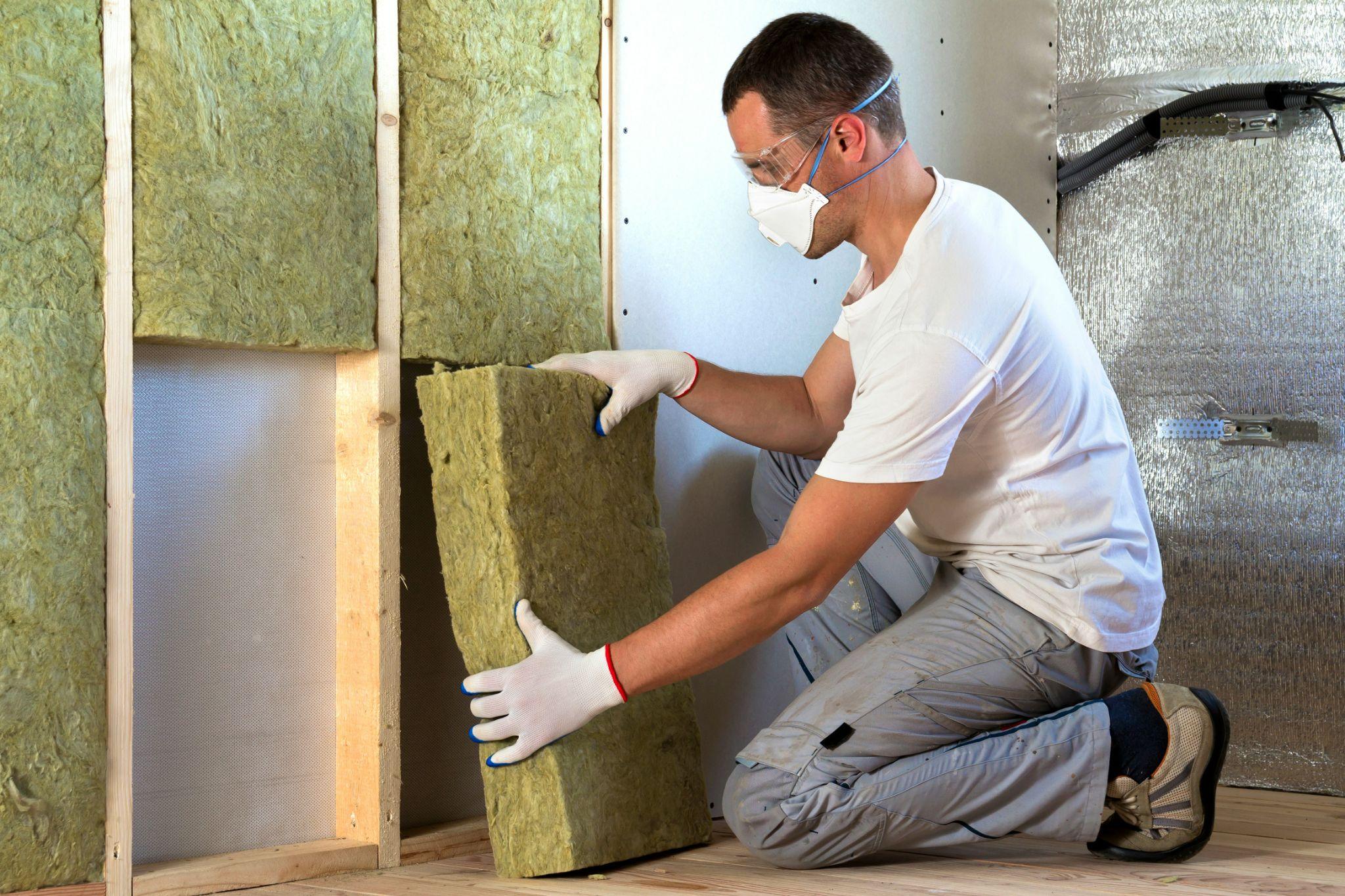
In an effort to please guests and save themselves money as well, owners should incorporate energy-saving measures in these top areas of priority.
Sealing cold air leaks around windows, doors, vents, and elsewhere where cold air is leaking in is the cheapest upgrade. Caulk and weatherstripping seal those openings. Insulating attic space and walls correctly where possible makes a huge difference year-round.
Make sure the furnace or heating systems are serviced prior to colder temperatures. Replace clean air filters, replace them if necessary, check for leaks in ductwork, and, if feasible, add programmable or smart thermostats. In order to be able to lower the heat when absent from home for set amounts of time or for an overnight period can save significant dollars.
Replace LED for incandescent light bulbs, replace ENERGY STAR-rated appliances, and put large appliances (washer/dryer, fridge, microwave) into energy-saving mode. Even a little change, such as replacing bulbs used daily or simply making sure the appliances are not drawing phantom power, helps.
Visitors won't know how to save energy unless instructed. Leave brief instructions: close curtains to heat at night, switch off lights not needed, use fans or heat discreetly. Smart thermostat or timed heating if away is an excellent investment.
To get your efforts at energy saving worthwhile, keeping up to date with government rules can also pay. The United States Department of Energy publishes a whole handbook to homeowners and renters of the most effective ways of energy saving, from windows and insulation through lighting, heating, and even behavioral adjustments. Also, programs like the Weatherization Assistance Program help (for eligible properties) to get homes more energy-efficient, for example, by installing insulation and stopping air leaks.
Because budgets never are limitless, some of these priorities on which to spend will typically have the most bang for the buck for vacation rental homes.
Upgrade | Why It Matters | Approximate Payback |
Sealing windows/doors, fixing drafts | Improves comfort, cuts heating costs | Often within 1-2 seasons |
LED lighting replacements | Lowers electricity bills and maintenance | 1 season or less |
Programmable or smart thermostat | Reduces heating/cooling during low occupancy | Varies by usage |
Energy-efficient appliances (water heater, fridge) | Large energy draws, especially with frequent guest turnover | 2-3 years depending on usage |
Energy savings can be monumental even as upgrades are shown to be worth it. The daily habits of the owner and guests can make it so.
Guests may be encouraged to turn off heat upon departure or utilize the use of timers.
Maintain furnace or heaters in working order in advance, replace filters and vents.
Remove chargers and appliances from use during non-use to avoid standby power use.
Close curtains or blinds at night to keep warm and open on sunny days during winter months.
Do laundry during off-peak electricity hours if possible, and run laundry machines for full loads.
Off-season lettings also have lower initial expectations in terms of décor or luxury but instead are brutally criticized in terms of comfort, usability, and stay cost. Owners who run their property in this fashion, cutstream efficiency where necessary, establish clearly, fix issues that interfere with comfort, tend to get positive feedback and higher bookings.
Also, follow area utility rebates or federal tax credits for energy-efficient upgrades. Window replacement or insulation replacement is occasionally a tax credit or incentive program candidate.







