The Reality of Large Truck Accidents Today
Large truck accidents remain a serious concern on roads across the country. Due to their size and weight, collisions involving tractor-trailers often result in severe damage and life-altering injuries. Factors such as driver fatigue, speeding, mechanical failures, and distracted driving contribute to the frequency and severity of these accidents. Even with advancements in safety technology, the sheer mass of these vehicles makes prevention and mitigation a constant challenge for regulators, companies, and drivers alike.
When accidents do occur, victims often face complex legal and medical situations. Consulting experienced professionals can help navigate insurance claims and liability issues. A tractor trailer injury attorney can guide those seeking justice or compensation, particularly in severe cases. Law firms like Wayne Hardee Law assist individuals in understanding their rights while emphasizing safety and accountability on the road.
High-Risk Scenarios and Common Causes
The Human and Community Impact
The effects of a truck accident extend well beyond the immediate victims. According to Injury Facts by the National Safety Council, nearly 5,000 deaths and tens of thousands of injuries occur each year in crashes involving large trucks. Families may face lost income, mounting medical expenses, and years of rehabilitation. Local economies can be disrupted when freight movement is delayed or crash investigations shut down key transportation corridors.
There is also a psychological toll—survivors and witnesses of severe accidents often struggle with lasting emotional trauma. Many communities respond by advocating for safer road designs and improved trucking regulations, driven by a desire to prevent future tragedies.
Legal and Insurance Challenges in Truck Accident Cases
Steps for Prevention: What Works?
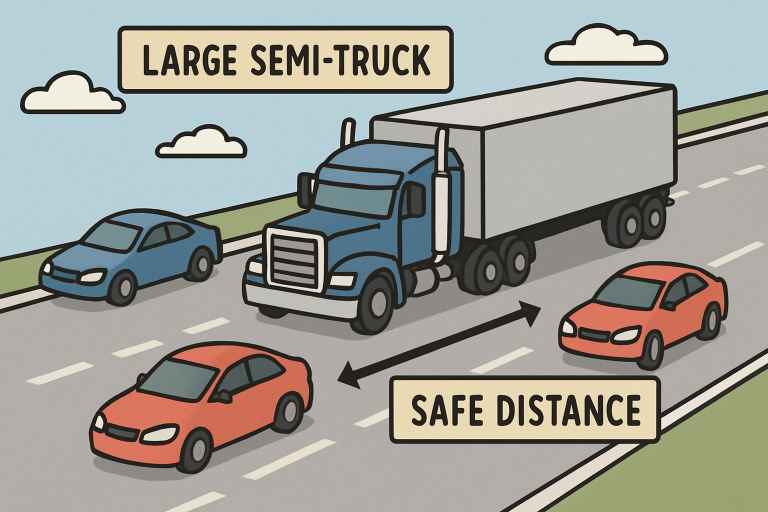
Preventing truck accidents is everyone’s responsibility. Truck drivers should adhere strictly to hours-of-service regulations, perform regular vehicle inspections, and avoid distractions at all costs. Motorists can reduce risk by never cutting off trucks, allowing extra space behind and in front of big rigs, and staying out of truck blind spots. For fleet managers, investing in driver training and new safety technologies is essential.
Policy advocates can support legislative efforts to enforce stricter safety standards and finance public awareness campaigns. The Federal Motor Carrier Safety Administration's driver safety tips offer practical checklists designed to keep everyone safe.
How Policy Is Shaping the Future of Truck Safety
Conclusion: Everyone’s Role in Safer Roads
Reducing the frequency and severity of large truck accidents demands collective action. Drivers must stay vigilant, companies should champion safety-first cultures, and policymakers must continue to push for data-driven reforms. By embracing shared responsibility and supporting evidence-based changes, communities can make America’s roadways safer for future generations.