When Ocean City is at its peak, when the boardwalk is wall-to-wall people, traffic is at a standstill, and weeks fly by like days, stress can creep quietly in. With juggling family, work, and the excitement of what is happening outside, sleep gets sacrificed by most. Others turn to healthcare like Bishop Massage and Wellness for massage or relaxation, but regular routines can be undertaken by families to allow the mind to relax and sleep well even if the pace outside appears hectic. This article gives useful tips to deal with stress and sleep during tourist season so that you can enjoy shore life without losing inner calm.
Free time also translates into additional noise, unscheduled time, and more responsibility. Department stores, restaurants, and rental housing are generally in high drive, that is, odd hours, more traffic, and more sensory input, lights, sounds, and activity spilling out late into the night. For youngsters, summer break, evening entertainment, and changing patterns (late meals, heightened socialization) all contribute to making routine harder to achieve. Bedtimes creep back, rest time is shortened, and the body's internal sleep aid mechanism can be disallowed.
It's helpful to know what stands in the way: stress hormones such as cortisol rise with nonstandard schedules and interfere with sleep onset or maintenance. Inadequate sleep can impair mood, immune system, even appetite, seasonal pleasure and overall well-being disrupted.
One of the finest methods of defending sleep during turbulent times is through the creation of a night time routine which signals to the body that day is over and sleep is imminent. Begin by establishing an absolute time to stop active stimulation, flashing lights, turn off screens, or switch to relaxing activity like reading, soothing music, or stretching relaxation.
The same is achieved by a hot bath or shower, which reduces your body temperature afterwards, producing sleep onset. With such a rigorous timetable, spending 30 to 60 minutes before nightfall on this ritual can be pure magic to unwind the body and mind.
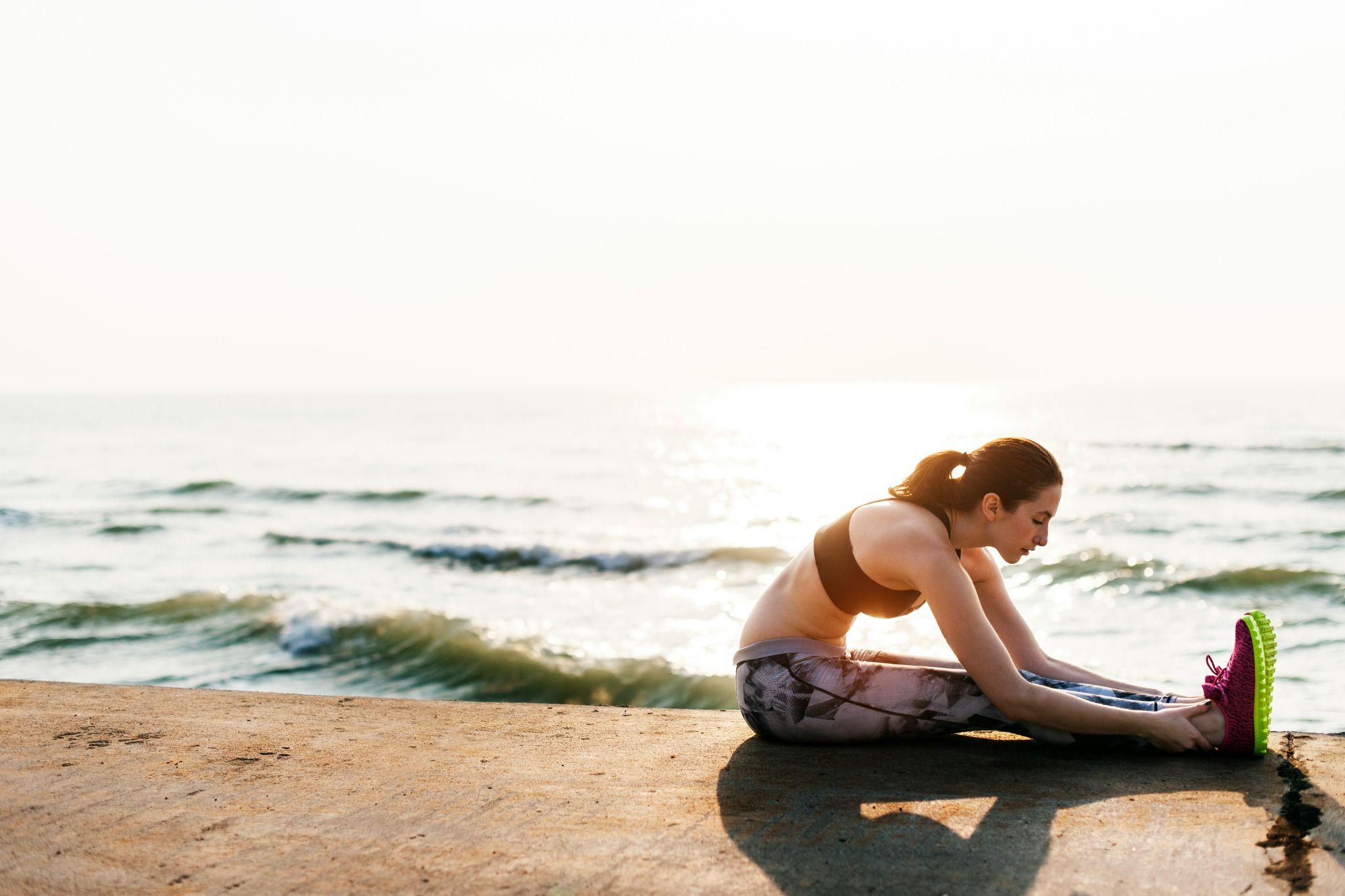
In order to assist sleep, it is beneficial to channel stress during the day and avoid trying to "crash" into the nighttime sleeping pattern. Start the days with sunlight exposure, open blinds or step outside, even just a few minutes to entrain the circadian rhythm, as emphasized by most sleep-experts.
Relaxing exercise, such as a beach stroll or cycling in the morning, reduces tension and improves mood. Refrain from ingesting caffeine or eating an ample meal later during the day as well, as these will lower sleeping chances. As per the Centers for Disease Control and Prevention (CDC), sleep disruption avoidance and keeping the sleeping area cool, dark, and quiet are some of the most effective practices in improving the quality of sleep.
Regardless of whether anything else is okay or not, your sleeping environment is also a big contributor to your sleeping potential. Apart from street lamp light, night-time activity noise, or leftover heat in inadequately cooled residences, potential intrusions in seaside resorts can be possible intrusions. Close blackout shades to keep out outside light, use fans (or white-noise devices) to mask incidental sound, and cool your bedroom, 65-68°F (18-20°C) is generally ideal.
Your pillow, sheets, and bed should be comfortable but neither too hard nor too soft and washed regularly to reduce allergens and dust that could be bad for breathing while sleeping. They do not have to be expensive, but the effect on sleeping can be amazing.
While massage or other body touch healing modalities provide immediate relief, small nightly or daily habits of stress reduction lead to resilience over the long term. Deep breathing, progressive muscle relaxation, guided imagery, or even mindfulness meditation, just 5-10 minutes at night focusing on slow inhales and exhales, can calm out-of-control thoughts.
Journaling is helpful too: writing with pen and paper on your thoughts, what you are thankful for, or tomorrow's to-do list can unburden mental gunk. If anxiety or worry is not letting you sleep, this cognitive shifting usually calms the mind so that you can sleep.
Summer months make it simple to over-commit. Conventions, late nights out to dinner, and concerts, while enjoyable, will put you on a later schedule than you planned. Planning breaks or days off, being realistic about your nighttime socializing curfews, and limiting events you'd like to go to can prevent burnout. It's okay to say "no" or to leave earlier. Your body will thank you for setting limits.
Another time trick is waking up at the same time even on weekends or off days. Although it is extremely tempting to sleep in more when exhausted, extreme variations in wake times will fool your body clock and sleep later more hardily.
And if after your best efforts your sleep is still fitful, you wake up tired most mornings, or worry takes over, then it is time to get the services of an expert. Sleep disorders such as sleep apnea or insomnia, or psychiatric conditions such as anxiety may disrupt sleep in a manner that home routines cannot fully rectify. Trained therapists, sleep specialists, or health care providers may prescribe diagnosis, treatment regimens, or interventions in lifestyle as necessary. Don't put off treatment if sleep is a habitual problem.