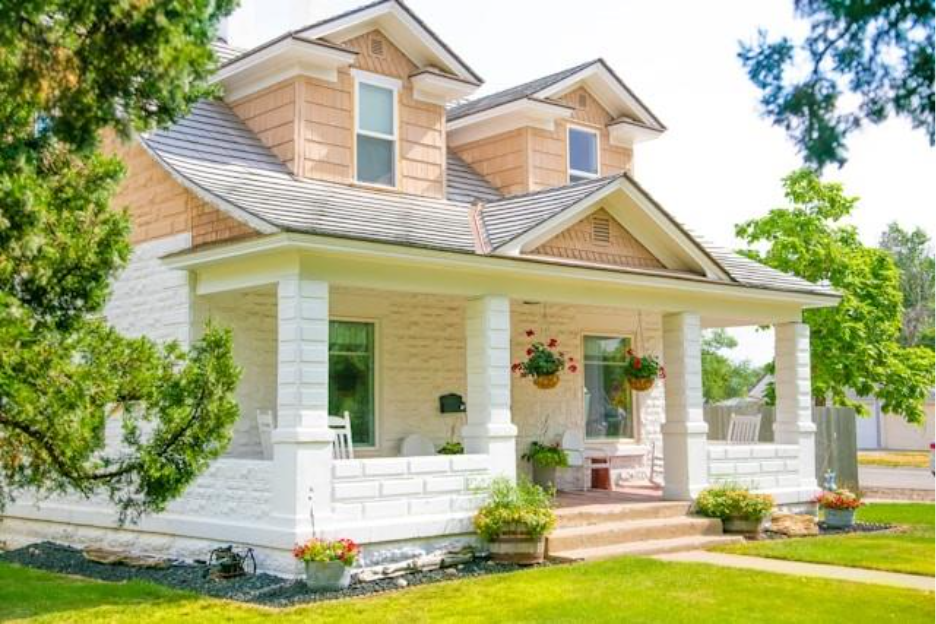
Homeownership comes with plenty of responsibilities, and one of the most overlooked is managing the health of your gutters. It may not be the most glamorous aspect of property care but neglecting it can trigger a domino effect of problems that reach far beyond the roofline. Something as simple as regular gutter cleaning can make all the difference in avoiding costly repairs down the line. Once water begins spilling over, the consequences can seep into every corner of your home.
Overflowing gutters aren’t just a minor nuisance. They’re a silent threat that can damage roofing, siding, landscaping, foundations, and even indoor spaces. To understand why, let’s break down the risks and the hidden expenses that come with ignoring what looks like a small problem.
Gutters may seem like small additions to a home’s exterior, but their role is massive. They act as the first line of defense against water intrusion by directing rainwater safely away from your house. Properly functioning gutters channel water off the roof, through downspouts, and away from the foundation.
When they overflow, however, water no longer follows that controlled path. Instead, it cascades over the sides, dripping and pooling where it shouldn’t. That uncontrolled flow is where the trouble begins and it can add up to costly repairs faster than most homeowners realize.
Overflowing gutters cause water to linger near the roofline. Shingles and underlayment are designed to shed water, not endure a constant barrage. When excess water lingers, it can work its way under shingles, causing them to curl, warp, or deteriorate prematurely.
Over time, this leads to roof leaks. What starts as a drip in the attic can escalate into water-stained ceilings, mold growth, and the need for significant roof repairs. Considering the expense of a full roof replacement, the price of ignoring overflowing gutters can skyrocket quickly.
Perhaps the most expensive consequence of overflowing gutters is foundation damage. When water pours directly off the roofline, it saturates the ground around the base of the home. Excessive moisture causes soil to expand, contract, and erode, destabilizing the foundation’s support.
Cracks can form in concrete slabs, basement walls may begin to leak, and in severe cases, structural shifting can occur. Foundation repairs often climb into the tens of thousands of dollars, making prevention critical. Keeping water flowing away from the base of your home is one of the simplest ways to protect its long-term stability.
Overflowing gutters are a direct pipeline to basement flooding. When water isn’t properly diverted, it seeps into the soil and can easily find its way into basements or crawl spaces. Even small amounts of water create major headaches; dampness leads to mold, mildew, and that musty smell that never seems to go away.
Beyond the unpleasantness, water damage in a basement can ruin flooring, drywall, furniture, and storage. Repairing or waterproofing a basement after repeated leaks is a costly undertaking that could have been avoided by keeping gutters functioning properly.
Water cascading down exterior walls does more harm than leaving streaks behind. Over time, it can degrade siding, wood trim, and paint. Wooden elements rot, vinyl siding may warp, and bricks or stucco can develop cracks from the constant moisture.
The aesthetic impact is obvious, but the structural impact is worse. Once moisture penetrates exterior walls, insulation can become damp, and interior walls may eventually show signs of damage. This not only reduces curb appeal but also decreases the overall value of your home.
Overflowing gutters don’t just affect the house itself, they wreak havoc on landscaping. Constant sheets of water pouring over the same spots erode soil, damage garden beds, and drown plants. Mulch washes away, tree roots become exposed, and decorative stone pathways can shift.
If you’ve invested in landscaping, overflowing gutters can undo that investment in a single season. Worse, soil erosion near the foundation creates additional risks for the stability of your home’s base, compounding the already costly problem.
Most homeowners don’t associate gutter issues with driveways or walkways, but overflowing water can weaken these surfaces over time. Water that repeatedly pools along concrete or asphalt causes cracks to form, and in colder climates, freeze-thaw cycles worsen the damage.
Repairing or replacing a driveway or walkway is no small expense, especially when the underlying issue stems from poor water management.

One of the most unsettling consequences of overflowing gutters is the impact on indoor air quality. When water infiltrates walls, basements, or attics, it creates the perfect breeding ground for mold and mildew.
Mold isn’t just an eyesore, it’s a health hazard. It releases spores that can aggravate allergies, trigger asthma, and cause respiratory problems. Remediation is often extensive and expensive, involving specialized cleaning, drywall replacement, and sometimes even reconstruction.
Stagnant water is a magnet for pests. Overflowing gutters often create standing water near the roofline or around the foundation, which attracts mosquitoes, termites, and rodents. These pests aren’t just unpleasant—they can spread disease and cause structural damage. Termites, for instance, thrive in damp environments and can silently destroy wooden structures if left unchecked.
What begins as a gutter issue can quickly become a pest control nightmare, adding another layer of expense and frustration.
What makes overflowing gutters especially dangerous is the compounding effect. Each problem doesn’t happen in isolation, they build on one another. Roof leaks lead to wall damage. Foundation cracks allow more water intrusion. Landscaping erosion worsens drainage issues.
The longer the problem persists, the more extensive (and expensive) the repairs become. Homeowners often underestimate how quickly a small issue can snowball into a full-scale crisis.
The good news is that preventing overflowing gutters is far less costly than dealing with the damage they cause. Regular inspections, proper downspout placement, and ensuring gutters remain clear of debris go a long way in protecting your home. Installing gutter guards or extending downspouts can further reduce risks.
Think of it this way: a few minutes of attention a couple of times a year can save you from the financial stress of thousands of dollars in repairs. It’s one of the simplest, most cost-effective forms of home maintenance.
Overflowing gutters may seem like a small inconvenience, but the truth is they’re a major threat to your home’s health and value. From roof damage and foundation cracks to basement flooding and mold growth, the list of potential consequences is long and expensive.
Homeownership is about protecting your investment, and one of the easiest ways to do that is by ensuring water is properly managed. The cost of neglecting this critical system far outweighs the effort of keeping it in good condition. By taking steps now, you’ll not only save money but also preserve the comfort, safety, and beauty of your home for years to come.