
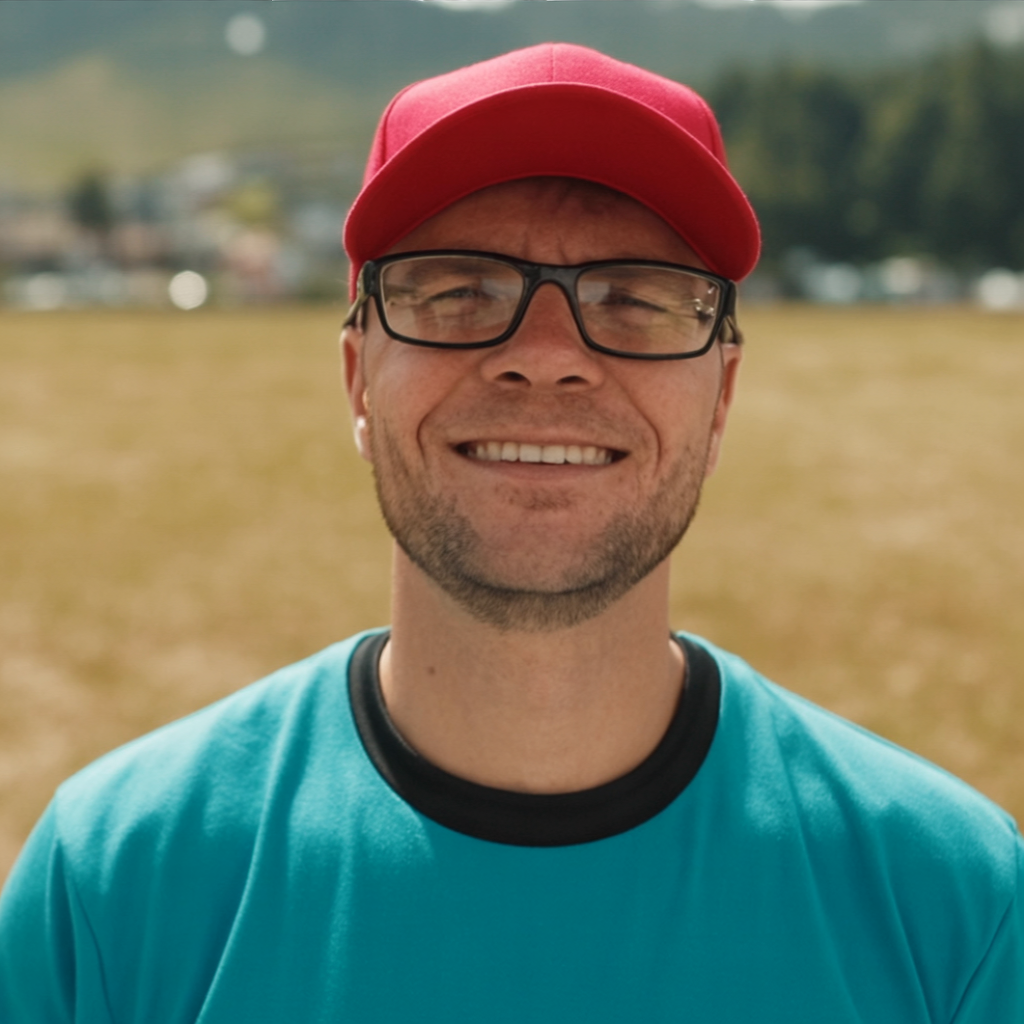
For this interview, we took a seat with Jamie Redman. Redman, in the last few years, has become the chronicler of the global “Bitcoin city”. He doesn’t talk about crypto like a day trader or a maximalist preacher. He treats it like a beat reporter treats a metropolis: neighborhoods of devs, markets that never sleep, street rumors that sometimes turn into skyscrapers, and infrastructure projects that promise to change how people move value.
How a Quincy boy ends up chronicling an internet-native economy is one of the most intriguing questions that could be asked. The novelty of the crypto world makes it weird that something like that could exist so soon. However, that’s not the case for Redman, and he’s making a career from it. “First of all, obviously, I learned how to write. I would like to say that it was pretty early, but actually… Just kidding! In university, I was interested in storytelling, particularly in telling the story of how something used to be and its impact on the future. That’s why I picked up an interest in chronics and transmitted them to my fellow classmates,” he recalls.
And then, the crypto world started. “For me, it was perfect. I could be the chronicler of a new world. It was perfect”, he says. Over time, he discovered that it wasn’t a new world, but a “city” that never sleeps, as he has explained in his social media accounts: an ecosystem that mutates, forks, rallies, and crashes across time zones.
When asked why he describes Bitcoin as a city, he explains it perfectly (but not in a few words). “It’s a bit of a democratic city: there is no border control; however, there are rules enforced by consensus. You have your financial district (miners, exchanges, market makers); cultural quarters (memes, open-source lore); and some kind of governance in the rough (BIPs and node operators acting like neighborhood councils).” Then, covering all of this, he says it is like a regular local reporter would do: who’s building what, who’s shutting down, what just changed the commute for everyone else? However, it’s not all skyscrapers. There are back alleys as well. That’s part of the map, knowing which streets you should evade.
Pressed on the process of a crypto journalist, he describes a loop that starts early. First of all, feeds, mempools, dev repos, policy trackers, and cross-border chatter. He keeps a watchlist: miners’ signals, exchange outflows, developer mailing lists, court dockets, stablecoin flows, and the bigger macro tells that tap the crypto shoulders. He reads in bursts, then steps back to ask the difficult questions: Did anyone verify this? Does the data match the headline? Is this just a fork of last month’s hype?
Redman recognizes he can be seen as a cynic, but he’s allergic to magic thinking. He talks about skepticism as a public service, which is crucial in Bitcoin reporting. “There are too many people interested in influencing the markets in their favour. So, as a journalist, I need to check everything before mentioning it in an article. I have to question what’s behind every word, even from what my most trustworthy source tells me,” he argues.
Price is the hype of the day, or sometimes, the depression of the day. However, that’s not what keeps him hooked to cryptocurrencies. “People use Bitcoin as a tool to avoid certain fees and slow transfer times between countries, as different researches have proved already. That’s why it’s interesting,” he maintains. Following the city metaphor, he brings up the multilingual reality as well: “All in all, we are a multicultural city that speaks different languages and has different traditions and motives to live here.”
In his telling, Bitcoin is neither a utopia nor a scam by default. It’s an invention with tradeoffs, as any other. He thinks the job is to pull those tradeoffs into the light: energy economics, custody risks, regulatory whiplash, UX friction, and the social layer that decides what “decentralized” means in practice. He’s interested in the long arc and the impact long-standing changes might have on the market and the crypto culture.
In his articles, he tries to remind everyone that this isn’t just a finance beat; it’s history in motion written in blocks. You don’t need to be a believer to see how it’s changing the world.
Further from feeds and charts, Redman leans on relationships: developers who’ll sanity-check a claim, miners who’ll explain operational realities, policy wonks who translate regulator-speak, and everyday users who’ll tell you if a Lightning wallet actually works at a bodega counter. He keeps notes like a cartographer, so patterns pop quicker the next time.
He’s also aware of burnout. The city might never sleep, but humans have to. He treats focus like a scarce resource, carving time to read things that aren’t about crypto. “It’s a way to save myself from becoming unidimensional,” he concludes.







